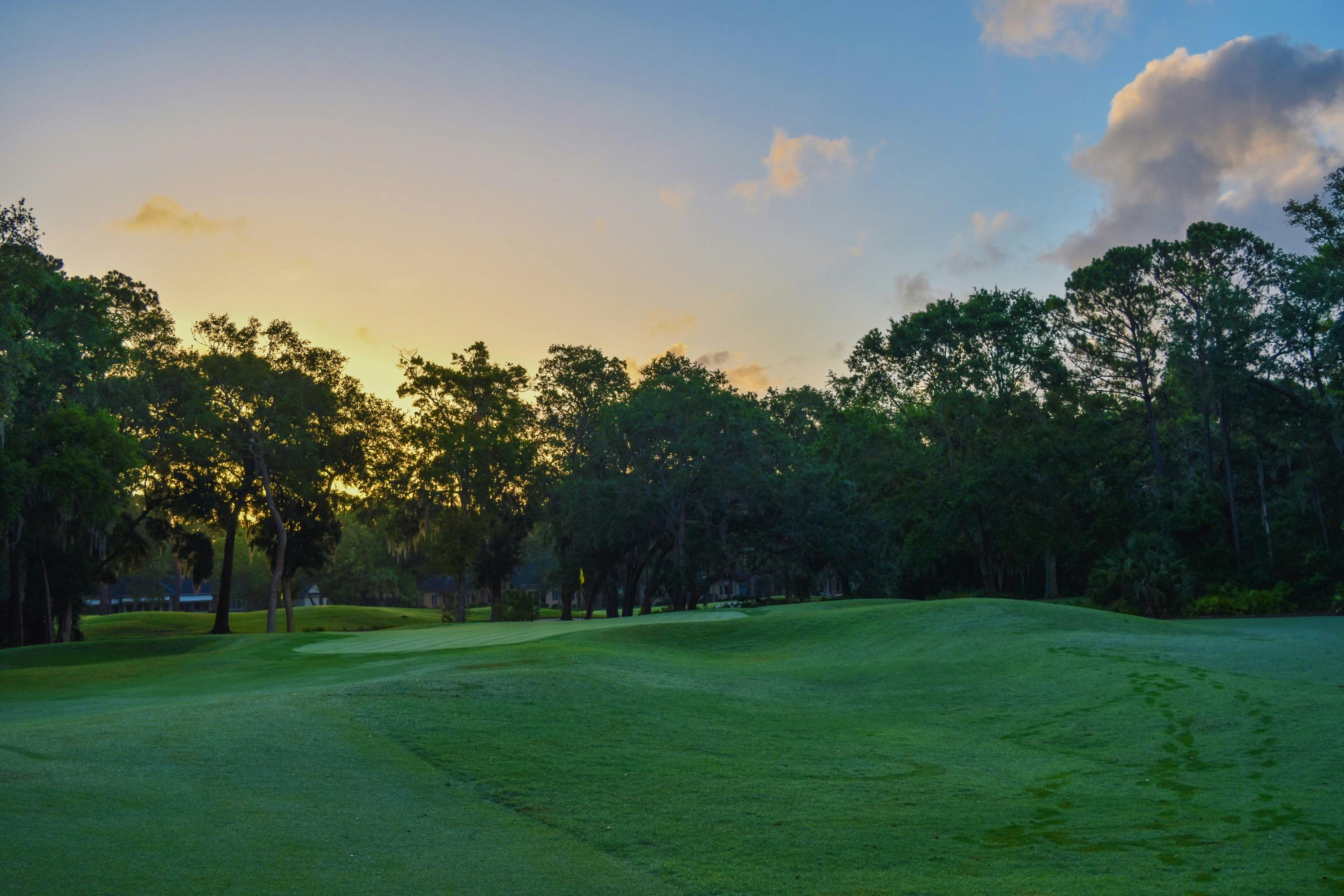
The Best Charleston Neighborhoods for Luxury Downsizers
The Best Charleston Neighborhoods for Luxury Downsizers
Empty nesters don't downsize because they want less. They downsize because they want different — fewer bedrooms, more walkability, fewer maintenance headaches, and more time for travel, golf, and hobbies. The Charleston area has become one of the country's favorite downsizing destinations, and for good reason. Leah Beaulieu and BJ Rodgers with Coast2Coast Properties work with affluent empty nesters every year who discover that leaving behind a four-bedroom suburban house and moving into a luxury townhome or condo in Charleston is not settling — it's upgrading.
But not every Charleston neighborhood works for downsizers. The right neighborhoods for this lifestyle are walkable, have strong community culture, minimize maintenance burden, and deliver the lifestyle convenience that makes early retirement or semi-retirement actually enjoyable.
The short answer
- Downtown Charleston 29401/29403 is the gold standard for downsizers who want maximum walkability and cultural access — but expect to pay $600K–$1.5M for a small footprint
- Daniel Island 29492 offers a master-planned community feel with a walkable town center, private club amenities, newer construction, and a younger empty-nester crowd — median around $1.4M but townhomes from $400K–$750K
- Mount Pleasant's Old Village gives you suburban charm with walkability, proximity to Shem Creek dining and boating, and lower density than downtown — typically $400K–$700K
- Summerville 29486 appeals to downsizers who want space, golf access, and community events without the downtown bustle — more affordable, lower HOA costs, and a tight-knit neighborhood culture
- West Ashley's Avondale is an underrated option with tree-lined streets, locally-owned shops, and walkable blocks at lower prices than downtown or Daniel Island
- Kiawah Island 29455 is for golfers specifically — premium golf access, private amenities, gated security, but limited walkability and the highest prices and HOA costs
What luxury downsizers are actually looking for
Unlike first-time buyers or growing families, luxury downsizers have very specific priorities. Quality over square footage, lifestyle access over space, and low-maintenance living over customization.
They want walkable neighborhoods where they can stroll to coffee shops, restaurants, and galleries — no car needed for errands. They want strong community culture with neighborhood events, activity groups, and built-in social access. They want low maintenance burden — no yard work, minimal exterior upkeep, no multi-story cleaning. They want proximity to healthcare, especially as they move into their 60s and 70s. And they want to be able to travel for weeks or months without worrying about property upkeep.
Single-family houses in traditional suburbs don't deliver this. A 3,000-square-foot home on a quarter-acre lot in a typical neighborhood means yard maintenance, outside vendor coordination, and a home that feels empty when you travel. Luxury downsizers need a different product — typically condos, townhomes, or villas in walkable communities with HOA management that handles exterior maintenance.
Downtown Charleston: Walking distance to everything
Downtown Charleston 29401 and 29403 is where elite downsizers end up. It's expensive, it's crowded compared to outlying areas, and it's absolutely worth the premium if you want maximum walkability and cultural access.
The magic of downtown is that everything you need — restaurants, galleries, shops, the waterfront, healthcare, entertainment — is within a 20-minute walk or a quick bike ride. You can leave your car parked for weeks and genuinely not need it. For retirees who don't want to drive anymore, this is revolutionary.
Typical downtown units are small — 1,200–1,800 square feet — in older historic properties or newer buildings. Prices range from $600,000 for a smaller condo to $1.5M+ for a premium location or larger townhome. HOA fees run $400–$800 monthly and cover basic building maintenance.
The tradeoff is parking hassle, noise on weekends, higher prices, and limited outdoor space. If you love urban density and walkability over private yard space, downtown is perfect. If you want peace and quiet, downtown is a headache.
Daniel Island: Master-planned luxury for empty nesters
Daniel Island 29492 has emerged as the favorite downsizing destination for affluent empty nesters who want luxury amenities, newer construction, and community infrastructure without downtown's urban chaos.
Daniel Island is a master-planned island community developed specifically for this market. The town center is genuinely walkable, with restaurants, boutique shops, and a town square that hosts farmers markets and seasonal events. There's a network of trails, pocket parks, and waterfront access. The Founders Club private amenity center offers restaurants, fitness, pools, social events, and golf access. Newer construction means energy efficiency and modern systems — no 100-year-old HVAC nightmares. The community demographic skews affluent and active, with lots of golf foursomes, dinner clubs, and travel companions.
Pricing on Daniel Island runs $400,000–$750,000 for townhomes and condos, with single-family homes from $1M+. The median around $1.4M reflects the mix of luxury estates alongside more modest townhomes. HOA fees typically run $300–$500 monthly, covering trails, common areas, and community events — modest given the amenities.
The Daniel Island appeal is lifestyle completeness. You get walkability, active community, amenities, low maintenance, and newer construction — all in one place. It attracts retirees from across the country who want Charleston's lifestyle without downtown's intensity.
Leah Beaulieu and BJ Rodgers regularly work with downsizers who visit Daniel Island as tourists, fall in love with the community, and make an offer within a week. It's that well-designed for this demographic.
Mount Pleasant's Old Village: Charm with walkability
The Old Village neighborhood in Mount Pleasant 29464 occupies a unique niche — it's more walkable than typical suburbs but less intense than downtown or Daniel Island.
Old Village has tree-lined blocks, locally-owned shops and restaurants, a genuine main street feel, and proximity to Shem Creek where serious boating and fishing culture thrives. It's where serious Charlestonians actually live, not where tourists go. The neighborhood has deep roots and tight community bonds.
Townhomes and condos in Old Village range from $400,000–$700,000. Single-family homes start around $600,000 and go much higher for waterfront. HOA fees for townhomes typically run $250–$400 monthly.
The Old Village appeal is authenticity and lower prices than downtown or Daniel Island. You get genuine neighborhood character, strong walkability within Old Village itself, and community ties without paying premium prices. The tradeoff is that you're still in Mount Pleasant — you need a car to reach downtown, shopping, or beaches. Walkability is local, not comprehensive.
It works beautifully for downsizers who want an authentic Charleston neighborhood, don't need everything within walking distance, and prefer lower prices and deeper community roots to master-planned amenities.
Summerville: Golf, events, and affordability
Summerville 29486 has become the favorite downsizing destination for golf-obsessed empty nesters and couples who want community events, strong HOA infrastructure, and more affordable pricing than Charleston proper.
Summerville's advantage is built-in lifestyle infrastructure. The town hosts a legendary annual Festival, the Farmers Market runs year-round, there are neighborhood events every weekend during high season. Golf courses dot the area — Legend Oaks, Coosaw Creek, Crooked Oaks. Many neighborhoods have private golf communities with deep discounts for residents.
Townhomes and villas in Summerville range from $300,000–$600,000. Some golf-community properties include membership or significant discounts. HOA fees are more variable but generally run $200–$350 monthly — lower than downtown or Daniel Island — because maintenance demands are simpler (single-story homes with small yards).
The Summerville appeal is value and active community culture without paying Charleston price premiums. You're trading some of the downtown walkability and cultural cachet for event-driven community, golf access, and affordability. For downsizers who care deeply about golf and neighborhood events, Summerville delivers more lifestyle value per dollar spent.
West Ashley's Avondale: The overlooked gem
Avondale in West Ashley 29407 is the neighborhood that sophisticated downsizers discover and choose, often after initially gravitating toward downtown or Daniel Island.
Avondale has tree-lined blocks with locally-owned coffee shops, restaurants, and vintage retail. It's genuinely walkable for the neighborhood core — you can walk to most essentials. It's diverse and artsy, attracting creative professionals and retirees who want urban character without downtown tourism noise. Homes are older (1920s–1960s), which means historic charm and established tree canopy, but sometimes means older systems.
Townhomes and condos in Avondale range from $350,000–$600,000. Single-family homes start around $500,000. HOA fees are minimal to moderate.
The Avondale appeal is authentic neighborhood character, walkability, local vibrancy, and prices 20–30% lower than comparable downtown or Daniel Island options. It attracts downsizers who value authenticity and community culture over new construction and amenities. It's where you'll find academics, artists, and cultural professionals alongside retirees.
Kiawah Island: For golfers only
Kiawah Island 29455 deserves mention because it's absolutely perfect for one specific downsizer: the serious golfer who wants privacy, gated security, and has the budget to pay for it.
Kiawah is a private island community centered entirely on golf. The Ocean Course is world-renowned and hosts the PGA Championship. Membership is tied to property ownership. Everything revolves around golf — the main social calendar is golf tournaments and member events.
Kiawah homes range from $1M–$5M+. HOA fees run $8,000–$15,000 annually — among the highest in the Charleston area. But you're paying for private island access, exclusive golf, gated security, and resort-level amenities.
The Kiawah appeal is golf absolutism and privacy. It's not walkable, it's not culturally diverse, and it's expensive. But if you define your retirement around golf and want an island community where every neighbor shares that obsession, Kiawah is perfect. Downsizers who choose Kiawah know exactly what they want and don't regret it.
The biggest mistake luxury downsizers make
The biggest mistake is buying downtown or in a master-planned community without spending several weeks there first. Downsizers often visit Charleston for a long weekend, fall in love with the energy of downtown or the sheen of Daniel Island, and make an offer before understanding daily life in that location.
Then they realize: Downtown parking is a nightmare. Daniel Island's master-planned feel can feel sterile after the initial appeal. Mount Pleasant's Old Village is lovely but still requires a car for serious shopping. Summerville is quiet on Tuesday mornings, not lively.
The second mistake is underestimating how much you'll actually use community amenities. Empty nesters imagine using the Founders Club gym at Daniel Island or attending every Summerville event. In reality, they use it for the first few months then find their own routines. Pay for location and walkability, not amenity promises.
A third mistake is assuming that downsizing always saves money. A $1.4M Daniel Island home with $400/month HOA, property taxes on a luxury property, and full service costs can easily exceed the expense of maintaining a larger home elsewhere. Downsizing should save money and increase lifestyle quality — if it's only one, reconsider.
A realistic example
Meet Patricia and Jim, a couple from Ohio who retired at 60 and decided to spend part of each year in Charleston. They initially fell in love with downtown walking tours and thought they'd buy a small condo in the historic district.
They looked at a $800,000 one-bedroom condo downtown — about 1,000 square feet, fourth floor of a historic building, no parking included.
But after a few weeks, they realized parking their car elsewhere was annoying, they didn't actually want to eat out every night despite dining being steps away, and the weekend crowds and noise were exhausting.
A friend suggested Daniel Island. Patricia and Jim visited the Founders Club, walked the town center, met people at a neighborhood event, and felt immediately at home. They found a 2-bedroom townhome for $520,000 with a small private patio, dedicated parking, and HOA fees covering everything exterior.
Two years later, they couldn't imagine living anywhere else. The Founders Club became their social hub. They joined a bridge group, a dinner club, and a travel group — all within Daniel Island's membership. They used the fitness facilities, attended neighborhood events, and developed real friendships.
The key difference: Daniel Island's community infrastructure did what downtown's walkability couldn't — it made them feel genuinely connected to place and people, not just wandering an urban landscape.
So what's the right neighborhood for luxury downsizers?
The answer depends on what you're optimizing for:
Optimize for walkability and culture: Downtown Charleston (budget $600K–$1.5M, accept parking hassles and urban intensity).
Optimize for lifestyle amenities and community: Daniel Island (budget $400K–$750K for townhomes, expect master-planned feel and active demographic).
Optimize for authenticity and lower cost: Old Village Mount Pleasant or Avondale West Ashley (budget $350K–$600K, accept needing a car for some destinations).
Optimize for golf and events: Summerville or Kiawah Island (budget $300K–$600K for Summerville, $1M+ for Kiawah, get built-in activity culture).
There is no single "best" — only what's best for you. The key is spending real time in the neighborhood before committing. Rent for a month. Attend community events. Drive around at rush hour. Eat at neighborhood restaurants. Walk the streets at different times of day. Then decide whether this is where you actually want to spend your retirement, not just vacation.
FAQ: Downsizing to Charleston neighborhoods
At what age does downsizing to Charleston make sense?
Most downsizers are 55–75 when they make the move — established enough to retire comfortably, active enough to enjoy community and lifestyle, still young enough to genuinely use walkability and amenities. The sweet spot is 60–70. Earlier than 55, your kids might still be involved in your life, making proximity to their schools or jobs relevant.
Can I find luxury townhomes or condos under $400,000 in good Charleston neighborhoods?
Yes, but supply is tight and location matters. Summerville has townhomes from $300K–$400K. Avondale and West Ashley have smaller condos from $350K–$450K. Downtown and Daniel Island start higher unless you find a rare smaller unit.
Should I buy or rent first as a downsizer?
Rent for at least one season (6 months ideally) before buying. Charleston communities feel very different in summer vs. winter. Winter feels peaceful and authentic; summer feels like a tourist destination. Understand which season represents "real" community to you before buying.
What are typical HOA fees for luxury townhomes and condos in Charleston?
Daniel Island: $300–$500 monthly. Downtown: $400–$800 monthly. Old Village Mount Pleasant: $250–$400 monthly. Summerville: $200–$350 monthly. Avondale: $100–$300 monthly (varies widely by building). Always get a detailed breakdown of what's covered.
Is healthcare access adequate for retirees in these neighborhoods?
Charleston has excellent medical infrastructure. MUSC (Medical University of South Carolina) is the major medical center and highly regarded. Roper Hospital, East Cooper Medical Center, and multiple specialized practices are throughout the area. All major neighborhoods have convenient access. Healthcare is not a limiting factor.
Can I rent my Charleston downsizer home if I want to try living elsewhere later?
Possibly, but check your HOA documents. Some neighborhoods (like downtown buildings) prohibit rentals. Daniel Island typically allows rentals with restrictions. Summerville is usually more flexible. Always verify before buying if you want the option to rent later.
What's the property tax situation for downsizers on fixed incomes?
South Carolina taxes primary residences at 4% assessment rate. For example, a $500,000 townhome is assessed at $20,000, with property tax around $1,000–$1,200 annually depending on county. Senior exemptions exist in some counties for property taxes or homestead exemptions — check locally.
Is Charleston's climate appealing to retirees, really?
Yes, if you love the heat. Summers are very hot and humid (June–September). Winters are mild and beautiful (November–March). Fall is perfect. Spring is lovely. If heat bothers you, consider whether you'll spend those three summer months elsewhere. Many downsizers do exactly that — "escape the summer" in North Carolina mountains or further north.
Final answer
Luxury downsizers who move to Charleston are almost universally happy with the decision, but only if they choose the right neighborhood for their lifestyle priorities. Downtown delivers maximum walkability but urban intensity. Daniel Island delivers community infrastructure and newer amenities. Mount Pleasant's Old Village delivers authenticity and lower cost. Summerville delivers golf and community events. Avondale delivers neighborhood character and value.
The neighborhoods aren't interchangeable. A golf-focused retiree who chooses downtown based on a pretty vacation walk will regret it. An urban culture aficionado who buys in Summerville for the price will be bored within a year. The secret is honest self-assessment: What do you actually want to do every day? Will this neighborhood support that, or just look good on marketing brochures?
Leah Beaulieu and BJ Rodgers help downsizers make this choice every year, and the best outcomes come from couples who spend real time in neighborhoods first, then commit. If you're thinking about downsizing to Charleston, schedule a longer visit, try living in your target neighborhood for a season, and make your decision from real experience — not real estate marketing.
About Leah Beaulieu & BJ Rodgers — Coast2Coast Properties
Leah Beaulieu and BJ Rodgers are Charleston, South Carolina real estate professionals with Coast2Coast Properties, helping buyers compare neighborhoods, understand local market differences, and find the right fit across the Charleston area. Whether you are buying your first home, relocating to the Lowcountry, or looking for investment opportunities, Leah and BJ bring local knowledge, straight talk, and a genuine commitment to helping clients make smart decisions.
Coast2Coast Properties
www.coast2coastprop.com
843-697-1409 / 803-201-4259