
What Buyers Should Know Before Moving to Charleston, SC
What Should Out-of-State Buyers Know Before Moving to Charleston, SC?
If you’re thinking about moving to Charleston from out of state, here’s the simple answer: Charleston can be a great place to buy, but it’s not a market where you want to rely on assumptions from wherever you’re moving from. The area has a unique mix of historic neighborhoods, newer suburban communities, coastal flood considerations, bridge-and-traffic realities, and housing costs that can change a lot from one area to the next. Buyers who do well here usually take the time to understand location, flood risk, insurance, commute patterns, and total monthly payment before they make an offer.

Charleston also remains an active housing market, with recent median sale prices around the low-$600,000 range in the city and a market that is still competitive, even as inventory has improved compared with tighter years.
Coast2Coast Properties helps out-of-state buyers in the Charleston, South Carolina area understand how to compare neighborhoods, avoid expensive surprises, and buy with more confidence. If you’re relocating, the goal is not just finding a house you like online. It’s making sure the home fits how you actually want to live once you get here.
Charleston is not one market
One of the biggest mistakes out-of-state buyers make is treating “Charleston” like it’s one single market. In reality, buyers usually end up choosing between very different lifestyle pockets such as Mount Pleasant, West Ashley, James Island, Johns Island, North Charleston, Goose Creek, Hanahan, Moncks Corner, Summerville, and Nexton/Cane Bay-area communities. Those areas can differ a lot in home style, lot size, age of construction, access to beaches, commute flow, HOA structure, and monthly ownership costs.
That matters because two homes with a similar price can feel very different in day-to-day life. One may put you closer to downtown or the beach, while another may offer more square footage and newer construction farther inland. For relocators, that tradeoff is usually the real decision. Charleston’s broader market also continues to attract buyers and migration, and recent reporting tied to National Association of Realtors research identified the area as a top homebuying hot spot for 2026, citing improving inventory alignment and strong migration trends.
Flood zones are not a side issue here
If you’re moving from a market where flood maps barely come up, Charleston may feel different right away. In this area, flood risk is part of the buying conversation. The City of Charleston notes that local flood hazards can come from rivers, tidal creeks, drainage issues, and the Atlantic Ocean, and the city directs buyers and owners to FEMA flood mapping tools and local GIS resources to review current and preliminary maps, closed roads due to flooding, and tide information.
The city also explains that AE and VE zones are considered high-hazard flood zones within the Special Flood Hazard Area, while X and shaded X are lower- or moderate-risk zones. It also notes that about 25% of flood insurance claims come from low-to-moderate risk areas, which is a helpful reminder that “not in a high-risk zone” does not automatically mean “no flood concern.” In the Special Flood Hazard Area, mandatory flood insurance may apply depending on the loan and property.
For an out-of-state buyer, this means you should never stop at “the house looks great.” You also want to ask:
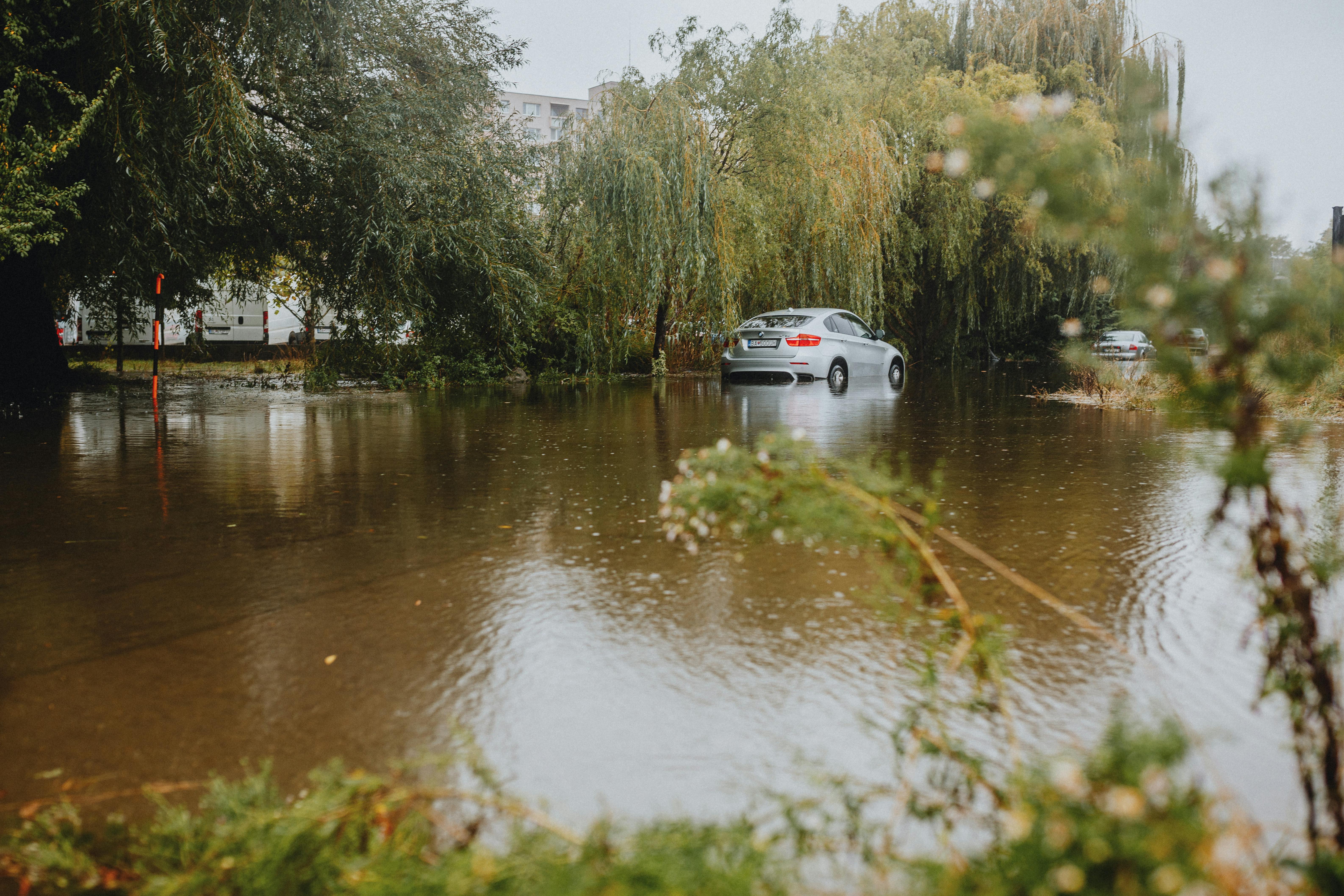
Before you buy, check:
What flood zone is the property in?
Is flood insurance required by the lender?
What is the current insurance quote?
Is there an elevation certificate?
Has the seller disclosed any prior flooding or water intrusion?
How do nearby roads behave during heavy rain or king tides?
Those questions can change your monthly payment and your comfort level with the home.
Your monthly payment may be more than price + principal and interest
A lot of relocators focus mostly on purchase price and mortgage rate. In Charleston, that can lead to surprises. The real monthly cost may also include homeowners insurance, possible flood insurance, HOA or regime fees, and property taxes that vary based on occupancy status and county rules.
For owner-occupied primary residences, Charleston County says buyers may be eligible for the 4% Legal Residence Exemption, which reduces taxes compared with the non-owner-occupied assessment ratio, but you have to apply and meet the qualifications. South Carolina’s Department of Revenue also explains that legal residence refers to the special 4% assessment ratio for your primary home. For someone moving from out of state, that is an important part of budgeting correctly after closing.
This is one reason relocation buyers should compare total ownership cost, not just list price. A less expensive home in one location can sometimes carry higher insurance or HOA costs than a slightly more expensive home somewhere else.
The housing search should start with lifestyle, not Zillow tabs
Out-of-state buyers often begin by sorting homes by price and photos. That makes sense, but it’s usually not the best first step in Charleston. A smarter approach is to start with how you want to live.
Ask yourself:
Do you want to be closer to downtown Charleston?
Do you want quick beach access?
Do you want newer construction and neighborhood amenities?
Do you want more house for the money?
Do you need an easier commute to a specific employer, school, or hospital?
Do you want a more walkable area or a more suburban setup?
For example, some buyers are drawn to Mount Pleasant for convenience to beaches and established communities, while others prefer West Ashley or James Island for access to downtown and a different feel. Buyers focused on newer neighborhoods and more square footage often end up looking farther inland in places like Summerville or other parts of the tri-county area. The right answer depends less on a “best area” list and more on what matters most to you.
Charleston commutes can look short on a map and feel longer in real life
This is another thing out-of-state buyers often underestimate. Charleston-area commuting is shaped by water, bridges, growth, and traffic bottlenecks, so a route that looks manageable online may feel very different at rush hour, in tourist season, or during weather events. The practical lesson is simple: if commute matters to you, build your search around it early.
That means testing:
weekday drive times
school drop-off patterns
bridge-dependent routes
access to grocery stores, gyms, and daily errands
how often you realistically want to go downtown or to the beach
For relocators, this is one of the biggest quality-of-life decisions you’ll make.
Today’s Charleston market still requires a plan
The market is not as frenzied as the peak pandemic years, but it is still not a market to approach casually. Redfin reported that in February 2026 Charleston’s median sale price was about $599,250, with homes taking around 89 days on average to sell, while Zillow recently showed city-level median sale prices in the $605,667 range and inventory around 1,389 homes with median days to pending around 69. That mix suggests buyers may have more breathing room than in the most intense years, but pricing is still meaningful and local competition still exists.
For out-of-state buyers, that means you want to be prepared before you start touring seriously:
get pre-approved
understand your comfort level on monthly payment
narrow your target areas
know your insurance range
be ready to move when the right home shows up
Preparation matters even more if you’re buying from a distance and only visiting for a short house-hunting trip.
South Carolina buyer programs may help, even if you’re just starting the process
If you’re relocating and wondering whether there is any meaningful buyer assistance available, South Carolina Housing offers several programs worth reviewing. The state highlights the SC Housing Homebuyer Program, Palmetto Home Advantage, Mortgage Credit Certificates, and Palmetto Heroes, among others. The SC Housing Homebuyer Program includes fixed-rate financing and down payment assistance options, and its materials note that the bond program currently offers forgivable down payment assistance with a zero-percent second lien structure if program requirements are met. Palmetto Home Advantage is also notable because SC Housing says it is available for first-time, move-up, and repeat buyers statewide, subject to program guidelines.
That doesn’t mean every out-of-state buyer will qualify, but it does mean program review should be part of the early conversation, especially for first-time buyers, veterans, and buyers trying to preserve cash after the move.
Two real-world relocation scenarios
Scenario 1: The beach-dream buyer
A buyer moving from the Northeast wants to be “close to everything” and immediately gravitates toward coastal and near-coastal homes. The photos are great, the neighborhoods feel like what they imagined, and the location looks ideal. But once they review flood maps, insurance estimates, HOA fees, and realistic commute patterns, they realize the total monthly cost is higher than expected. Instead of forcing the first version of the dream, they adjust the search and find a better balance between lifestyle and budget. That is a smart Charleston move.
Scenario 2: The remote worker who wants more house
Another buyer is relocating for lifestyle and remote work. They do not need to be downtown every day, so they focus on newer construction, community amenities, and more space. Once they compare areas honestly, they decide that being farther from downtown is worth the tradeoff. They end up with more home, a layout that fits daily life better, and fewer surprises after closing.
Both of these buyers succeed because they buy for real life in Charleston, not just for a photo feed.
Common mistakes out-of-state buyers make in Charleston
1. Assuming every Charleston-area location works the same
They don’t. Geography changes the experience quickly.
2. Ignoring flood and insurance questions until late
That can completely change affordability.
3. Shopping only by list price
The better number is full monthly cost.
4. Underestimating commute and bridge traffic
Map distance is not the same as daily convenience.
5. Trying to learn the market in one weekend without a plan
Charleston rewards buyers who narrow priorities before they arrive.
Best first steps if you’re moving to Charleston from out of state
Get pre-approved early.
Know your real payment range before you fall in love with a location.Choose your top two or three areas first.
Do not start with the entire region.Review flood zone and insurance on every serious property.
Do this before you get too emotionally attached.Compare total monthly cost, not just price.
Include taxes, insurance, and HOA.Build your search around lifestyle.
Beach access, downtown access, schools, commute, lot size, and home age all matter.Use local guidance.
Relocation buyers usually do better when they work with someone who can explain how the area actually functions day to day.
FAQ: Out-of-state buyers moving to Charleston, SC
Is Charleston, SC a good place to buy a home right now?
For many buyers, yes, especially if you want a coastal lifestyle, a strong sense of place, and multiple neighborhood options across the metro. Charleston remains an active market, and recent reporting tied to NAR research called it a top homebuying hot spot for 2026. That said, “good” depends on your budget, commute needs, and comfort with coastal ownership factors like insurance and flood review.
Do I need flood insurance in Charleston?
Not always, but many buyers need to review it carefully. In higher-risk FEMA flood zones such as AE and VE, mandatory flood insurance may apply depending on the property and financing. Even lower-risk zones can still experience claims.
Are Charleston property taxes low for primary residents?
Owner-occupied primary residences may qualify for South Carolina’s 4% legal residence assessment treatment, which can reduce taxes compared with non-owner-occupied property. Buyers should confirm eligibility and file correctly after purchase.
Is it better to live in Charleston itself or a surrounding area?
That depends on what you value most. Some buyers prioritize proximity to downtown or the beach, while others want more space, newer homes, or a different price point in surrounding communities. The best fit is usually about lifestyle, not zip code alone.
Are there South Carolina buyer assistance programs available?
Potentially, yes. SC Housing offers programs including the SC Housing Homebuyer Program, Palmetto Home Advantage, Mortgage Credit Certificates, and Palmetto Heroes, all subject to eligibility and program rules.
Final takeaway
If you’re moving to Charleston from out of state, the smartest thing you can do is treat this like a location-and-lifestyle decision first, and a house search second. The buyers who feel best after closing are usually the ones who looked closely at flood risk, insurance, taxes, commute patterns, and neighborhood fit before they made an offer.
Coast2Coast Properties helps buyers relocating to the Charleston, SC area make sense of those details so they can buy with fewer surprises and more confidence.
If you’re planning a move, start with the basics:
your budget
your ideal day-to-day lifestyle
your top target areas
your non-negotiables
From there, the home search gets much easier.
About Coast2Coast Properties
Leah Beaulieu and BJ Rodgers are Charleston, South Carolina real estate professionals with Coast2Coast Properties, helping out-of-state buyers relocate to the Charleston area. They work with buyers who need local insight on neighborhoods, lifestyle, pricing, and the home buying process across Charleston and surrounding communities.
Coast2Coast Properties
www.coast2coastprop.com
843-697-1509 / 803-201-4259