Buying a Home in the Old Village of Mount Pleasant: A Historic Luxury Guide
Buying a Home in the Old Village of Mount Pleasant: A Historic Luxury Guide
Old Village in Mount Pleasant 29464 is one of Charleston's most established and walkable neighborhoods, drawing buyers who want historic character, tree-lined streets, established trees, and Main Street accessibility without downtown's density or parking chaos. If you're considering a home here, you're looking at a median price around $1.58M as of 2026, historic district restrictions that protect the neighborhood's character, and a fundamentally different buying experience than newer Mount Pleasant subdivisions. Leah Beaulieu and BJ Rodgers at Coast2Coast Properties know Old Village intimately and can walk you through what makes it unique and whether it's right for you.
The short answer
- Price range: Median homes sell at $1.58M, with established homes ranging from $900K to $4M+; waterfront properties and pristine restorations command the highest premiums
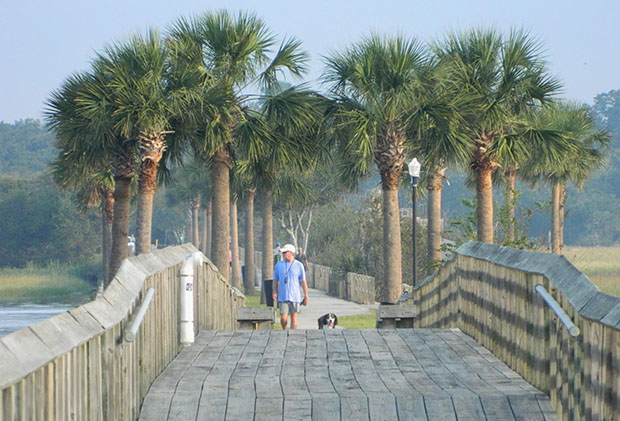
- Walkability: Old Village is one of Mount Pleasant's most walkable neighborhoods — Pitt Street Bridge access, Main Street shops and restaurants, proximity to Shem Creek parks and waterfront
- Architecture: Victorian, Colonial Revival, and early-American homes dating from the 1800s onward; tree-lined streets with mature canopy established over 100+ years
- Historic restrictions: Properties fall under the Mount Pleasant Historic District, requiring Certificate of Appropriateness (COA) approval for exterior changes — this protects character but adds time and cost to renovations
- HOA governance: Neighborhood has active HOA with specific design guidelines; understand restrictions before committing
- Why it works: Established neighborhood character, walkable lifestyle, local prestige, strong resale demand, and community that values preservation over maximalist new construction
What makes Old Village different from newer Mount Pleasant neighborhoods
Old Village (29464) is fundamentally different from newer Mount Pleasant subdivisions like Dunes West (29466), Park West, or I'On. The difference isn't just age — it's philosophy. Old Village was built along the Charleston harbor starting in the 1700s. It's the oldest neighborhood in Mount Pleasant. The architectural character is real history, not nostalgia.
Walk down Pitt Street in Old Village and you're walking on streets that have existed for 150+ years. The mature oak trees providing canopy were planted generations ago. The homes around you are Victorian cottages, Colonial Revival estates, and carefully restored pre-Civil War buildings. This is established in a way that no new subdivision can replicate.
By contrast, newer Mount Pleasant neighborhoods are planned communities designed in the last 30–40 years. Dunes West has championship golf; I'On has mixed-use walkability and younger families; Park West has newer construction and standardized HOA amenities. All are excellent neighborhoods for different buyer profiles. Old Village is for buyers who specifically want authentic historic character.
As of August 2026, Old Village homes sell for a median of $1,582,500 (up 2% year-over-year), with average prices around $1,686,605 per home and $884 per square foot. Homes sell in 52 days average — faster than national averages, indicating strong demand.
Historic district restrictions and what they actually mean
Here's what stops many Old Village buyers: the neighborhood falls entirely within the Mount Pleasant Historic District. This means any exterior change — adding a window, changing door color, replacing shutters, adding a fence — requires approval from the Historic District review committee via a Certificate of Appropriateness (COA).
What this actually requires:
- COA approval is required before any exterior work
- Timeline: Approval typically takes 2–4 weeks; complex changes can take 6–8 weeks or longer
- Cost: Some architects charge $500–$2,000 to prepare COA applications; the review itself is free
- Scope: Interior renovations are not restricted. You can gut-renovate the inside. The restriction is exterior appearance only
- Common approvals: New paint colors (if period-appropriate), window replacement (if matching historic style), roof repairs, fence additions
What you cannot easily do: Add modern metal railings, install metal siding, paint a historic home bright neon colors, or create a contemporary-looking addition that clashes with the historic aesthetic.
Leah Beaulieu and BJ Rodgers understand these restrictions intimately. Buyers often think "historic district = can't touch anything." Actually, it means "can't change the exterior in ways that damage the neighborhood's character." Most renovations are approved, but you need realistic timelines and may need to work with a preservation-minded architect.
Why Old Village commands a premium despite restrictions
Old Village homes run 15–25% higher per square foot than comparable non-historic Mount Pleasant neighborhoods. Buyers pay this premium willingly. Here's why:
Authentic historic character. You're buying into actual history, not themed development. The neighborhood has evolved naturally over 200+ years. That authenticity attracts people who value depth.
Walkability that actually works. From most Old Village homes, you can walk to Pitt Street Bridge, Main Street restaurants and shops, Memorial Waterfront Park, and Shem Creek waterfront. Alhambra Hall reopened in 2025 with renovated grounds, adding to the neighborhood's community center. This is not "walkable for a suburb" — this is genuine walkable living.
Mature tree canopy. Old Village streets have 100+ year old oak trees providing established shade and beauty. This takes decades to replicate; you can't build it into a new neighborhood.
Prestige and resale appeal. Old Village has been desirable for 40+ years. It attracts downsizers, young professionals wanting established neighborhoods, and buyers relocating to Charleston specifically for this aesthetic. Resale demand is consistent.
Community culture. Old Village residents value preservation and community. This isn't "I'm buying here because I'm wealthy" — it's "I'm buying here because I want this specific neighborhood experience." That shared values creates different community dynamics than newer subdivisions.
A realistic example: The Hendersons' Old Village renovation
The Hendersons bought a 1920s Victorian cottage in Old Village for $1.2M in 2024. The bones were solid; the systems (roof, HVAC, electrical, plumbing) needed update. They planned a comprehensive renovation: new kitchen, new bathrooms, updated electrical, modern HVAC system.
Because the exterior was staying the same (same roof pitch, same windows staying but refurbished, same paint color), they expected straightforward permitting. But they also wanted to add a modern back patio (screened, elevated).
The COA application for the patio took 8 weeks instead of 4 because the committee requested changes to the design — they wanted it to appear secondary and not dominate the rear facade. The final design used wooden details that echoed the home's historic aesthetic rather than modern minimalism.
Total project cost: $420K (higher than the original $350K estimate due to unexpected plumbing/electrical issues discovered during renovation). COA delays added 2 months to the timeline.
The Hendersons would do it again. They now own what they consider one of Mount Pleasant's most charming homes, in an established neighborhood with community they value. But they had to accept that historic district review = longer timelines and less aesthetic control over rear additions.
A different buyer might have purchased in Dunes West instead, where HOA review is faster and exterior changes face fewer restrictions. For the Hendersons, Old Village's character was worth the tradeoff.
So what — is Old Village right for you?
Old Village makes sense if:
- You value authentic historic character over modern convenience
- You're willing to accept COA timelines and historic district restrictions
- You want a walkable neighborhood where you can access daily life on foot
- You can afford the median $1.5M+ entry price
- You're comfortable with mature homes that may require significant system updates (roof, HVAC, electrical, plumbing)
- You want an established neighborhood with multigenerational resident base
Consider alternatives if:
- You want modern construction with no historic restrictions (Dunes West 29466, I'On 29464, Park West)
- You need faster renovation timelines (non-historic neighborhoods skip COA approval)
- You want to maximize square footage for your budget (newer subdivisions often offer more footage per dollar)
- You prioritize golf or resort-style amenities (Dunes West offers both; Old Village does not)
- You want neighborhood greenfield development potential (Old Village is built-out; change happens incrementally)
Leah Beaulieu and BJ Rodgers work with both Old Village and newer-neighborhood buyers. They understand who thrives in Old Village's character-forward culture and who would be happier in a newer subdivision.
FAQ: Old Village buying questions
What's the difference between Old Village and other Mount Pleasant historic neighborhoods?
Old Village is the oldest, most established historic neighborhood in Mount Pleasant (dating to the 1700s). Other Mount Pleasant historic areas (like parts of Remount Road) exist but are smaller and less walkable. Old Village is the primary historic district where buyers go for authentic character.
How much does COA approval actually cost in time and money?
COA applications are submitted free, but you may pay an architect $500–$2,000 to prepare the application if your change is complex. Approval typically takes 2–4 weeks; complex changes take 6–8 weeks. Plan for delays in your renovation timeline.
Can I renovate the interior of a historic home without restrictions?
Completely. Interior renovations have zero restrictions. You can gut the inside, add modern systems, and create contemporary interiors. The restriction is exterior appearance only.
What are typical renovation costs for a 1920s Old Village home?
Restoration of a 1920s cottage typically runs $350–$500 per square foot for comprehensive renovation (new systems, updated finishes, period-appropriate restoration). You're often dealing with original plumbing, electrical, and HVAC that need replacement, which adds cost and timeline.
Do Old Village homes appreciate well?
Historically, yes. Established historic neighborhoods like Old Village have appreciated 4–5% annually over 10+ year periods, showing resilience through market cycles. The limited supply of authentic historic homes and persistent demand keep values stable.
Is Old Village walkable enough to eliminate a second car?
Mostly yes, though not completely. Pitt Street Bridge, Main Street, Shem Creek parks, and many restaurants are walkable. However, grocery shopping, medical appointments, and most workplaces still require driving. Plan on 1 car minimum; many households keep 2.
How does Old Village compare to downtown Charleston for walkability?
Old Village is highly walkable for a Mount Pleasant neighborhood but not downtown-level walkability. Downtown Charleston 29401/29403 has higher restaurant/retail density and true car-optional living. Old Village is "walkable suburb," not "urban neighborhood."
Final answer
Old Village in Mount Pleasant 29464 offers authentic historic character, walkability, and community values that appeal to buyers seeking something deeper than typical suburban development. The neighborhood commands a median price around $1.58M, includes historic district restrictions requiring COA approvals for exterior changes, and demands acceptance of older-home maintenance realities. If you value established character, walk-able lifestyle, and community preservation over modern convenience, Old Village is worth serious consideration. If you want modern construction without restrictions, newer Mount Pleasant subdivisions may serve you better.
Leah Beaulieu and BJ Rodgers at Coast2Coast Properties specialize in guiding Old Village buyers through COA processes, renovation realities, and the neighborhood's specific character. If you're serious about Old Village, their local knowledge will prove invaluable.
About Leah Beaulieu & BJ Rodgers — Coast2Coast Properties
Leah Beaulieu and BJ Rodgers are Charleston, South Carolina real estate professionals with Coast2Coast Properties, helping buyers compare neighborhoods, understand local market differences, and find the right fit across the Charleston area. Whether you are buying your first home, relocating to the Lowcountry, or looking for investment opportunities, Leah and BJ bring local knowledge, straight talk, and a genuine commitment to helping clients make smart decisions.
Coast2Coast Properties
www.coast2coastprop.com
843-697-1409 / 803-201-4259