What to Know Before Buying a House With a Marsh View in Charleston
What to Know Before Buying a House With a Marsh View in Charleston
A marsh view is one of the most requested features in the Charleston area, and it's also one of the most misunderstood. Buyers fall for the golden hour light over the spartina grass and don't always ask the practical questions that come with it: flood zone, elevation, insurance cost, and what happens to that view as the marsh changes with the seasons and the tide. Leah Beaulieu and BJ Rodgers with Coast2Coast Properties walk marsh-view buyers through these tradeoffs before they write an offer, not after.
The short answer
- Most homes with a genuine marsh view sit in or near an AE flood zone, which usually means mandatory flood insurance if you have a mortgage.
- New construction near tidal marsh in the Charleston area typically must be elevated at least 2 feet above the Base Flood Elevation, per city and county freeboard requirements.
- An Elevation Certificate is the single most important document for pricing flood insurance on a marsh-adjacent home, and buyers should request a current one before closing.
- Marsh-view lots often rely on septic systems rather than municipal sewer, and coastal groundwater and saltwater intrusion can shorten a septic system's working life.
- Windstorm and hurricane coverage on coastal and near-coastal homes typically carries a separate percentage-based deductible, commonly 1% to 5% of the insured value, on top of standard homeowners coverage.
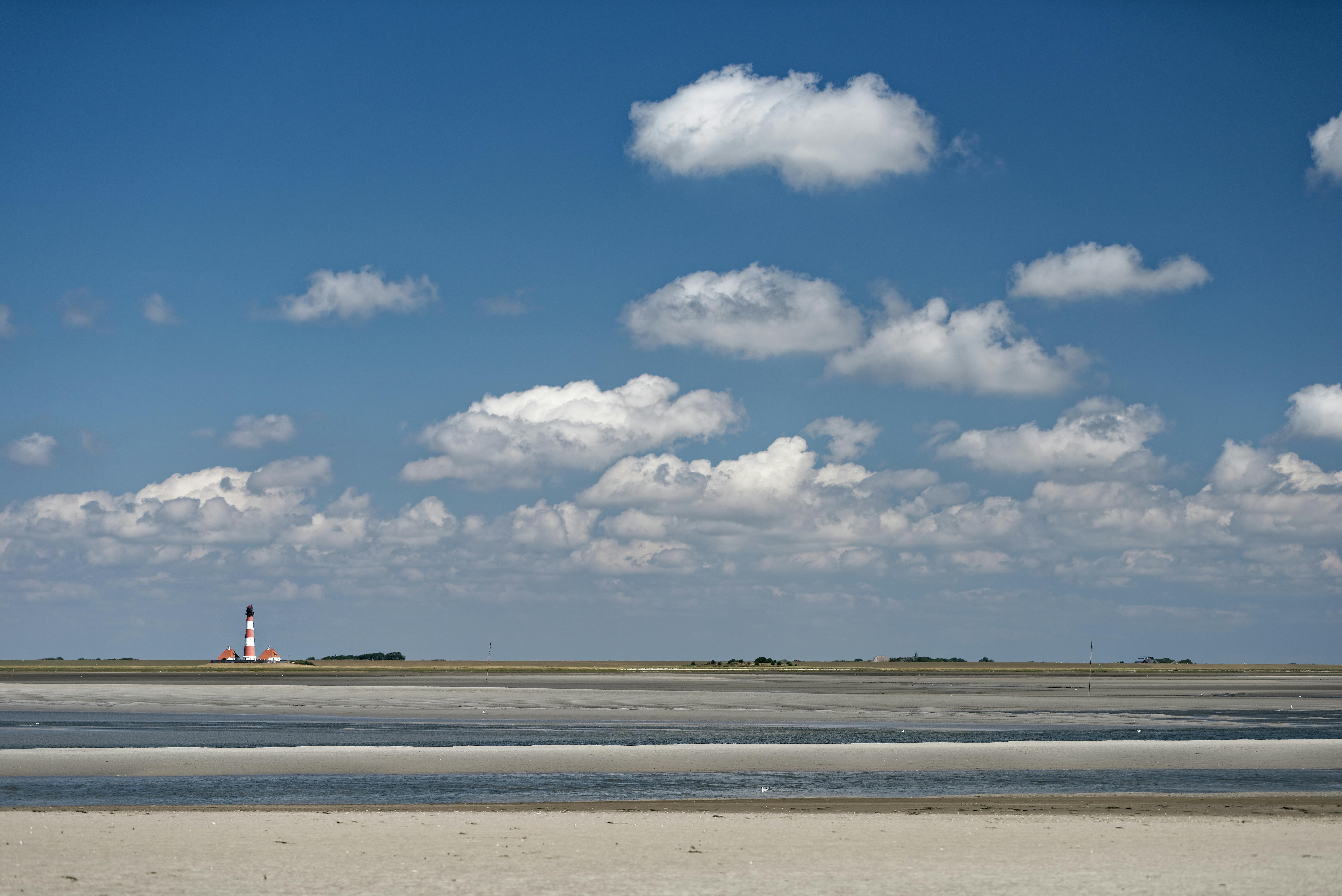
- The marsh view itself changes with the seasons: spartina grass is green and lush in summer, golden brown in winter, and the "wide open water view" some buyers expect is really a tidal creek that fills and empties twice a day.
What "marsh view" actually means in the Charleston market
Marsh view properties show up across Johns Island 29455, James Island 29412, Mount Pleasant's Wando River corridor 29466, and pockets of West Ashley along the Ashley and Stono Rivers. What buyers are really buying is proximity to tidal wetland, the expansive grass marshes that fill with water at high tide and expose mudflats at low tide. It's genuinely beautiful and it's genuinely dynamic, not a static lake view. Leah Beaulieu and BJ Rodgers tell buyers to visit a prospective marsh-view property at both high and low tide before deciding, because the two look completely different and both are part of owning the home.
How flood zones affect marsh-adjacent property
Because marshes are tidal by definition, homes near them are almost always in or immediately adjacent to an AE flood zone, the FEMA designation for areas with a 1% annual chance of flooding. The City of Charleston's floodplain mapping tools let buyers look up a specific address's zone before making an offer. AE zone properties with a mortgage are required by lenders to carry flood insurance through the National Flood Insurance Program or a qualifying private policy. covers zone designations in more depth for buyers comparing multiple properties.
Elevation requirements and what they mean for cost
New construction near tidal marsh in the Charleston area is generally required to sit at least 2 feet above the Base Flood Elevation, a "freeboard" standard the city and surrounding counties apply in flood-prone zones. That's why so many newer marsh-view homes are built up on pilings or a raised foundation, both for flood protection and to preserve the view over the marsh grass. For existing homes, the Elevation Certificate documents exactly how the structure sits relative to the BFE, and it's the single biggest factor in what a marsh-view home's flood insurance premium will actually cost. A home sitting above the BFE can carry a manageable premium. A home below it can see costs climb sharply. Buyers should request a current Elevation Certificate as part of due diligence, not assume the listing agent has one on hand.
Septic systems and coastal ground conditions
Away from the peninsula and the most developed suburbs, marsh-adjacent lots frequently run on septic systems rather than municipal sewer. Coastal conditions, including high groundwater and saltwater intrusion, can shorten a septic system's usable life and lead to more frequent maintenance or replacement than an inland system. Buyers should have the septic system inspected specifically, not just as a line item in a general home inspection, and ask the seller for maintenance records and pump-out history.
Insurance realities for marsh and near-marsh homes
Marsh-view homes typically require three separate policies working together: standard homeowners coverage, flood insurance through the NFIP or a private carrier, and windstorm or hurricane coverage. Coastal and near-coastal properties in South Carolina commonly carry a windstorm deductible expressed as a percentage of the home's insured value, often 1% to 5%, rather than a flat dollar figure, and that deductible only applies to named storm events. Homes that can't secure standard wind coverage may need to use the South Carolina Wind and Hail Underwriting Association, the state's insurer of last resort, which typically costs more than standard market coverage. Buyers should get real insurance quotes during the due diligence period, not after closing.
The biggest mistake buyers make with marsh-view homes
The biggest mistake is falling in love with the view before understanding the flood zone, elevation, and insurance picture underneath it. Buyers routinely assume a beautiful marsh view is priced the same as a similar inland home with a yard, then get an unpleasant surprise when insurance quotes come back thousands of dollars higher per year. Leah Beaulieu and BJ Rodgers with Coast2Coast Properties always recommend pulling the flood zone and requesting insurance quotes before falling too far in love with a specific marsh-view listing.
A realistic example
A retired couple relocating from Pennsylvania found their dream home on a tidal creek off the Stono River near Johns Island, listed with a spectacular marsh view from a screened porch. The home was in an AE zone, sat close to the minimum required elevation, and ran on a 20-year-old septic system. Their initial flood insurance quote came back at roughly $3,800 a year, plus a separate windstorm policy with a 3% deductible on a home valued near $700,000, adding real cost on top of the mortgage they'd budgeted for. After Leah and BJ helped them get ahead of these numbers during due diligence, the couple negotiated a credit for a septic inspection and pump-out and moved forward with clear eyes on the full annual cost of ownership, not just the purchase price.
So what should you know before buying a marsh-view home in Charleston?
- Confirm the flood zone and request a current Elevation Certificate before writing an offer
- Get real flood and windstorm insurance quotes during your due diligence period, not after closing
- Have any septic system inspected specifically, including pump-out history
- Visit the property at both high and low tide to understand what the view actually looks like day to day
- Budget for the combined cost of homeowners, flood, and windstorm coverage as one number, not three separate afterthoughts
FAQ
Are marsh-view homes in Charleston always in a flood zone?
Most are in or immediately adjacent to an AE flood zone because marshes are tidal wetlands by definition. Some slightly elevated or set-back lots may fall in a lower-risk zone, but buyers should always confirm the specific designation for an individual property rather than assume based on the view.
Do I need flood insurance for a marsh-view home?
If the home is in an AE zone and you have a mortgage, flood insurance is typically required by the lender. Even without a mortgage requirement, flood insurance is strongly recommended given the tidal proximity.
How much does insurance cost on a marsh-view home in the Charleston area?
It varies widely based on elevation, flood zone, and the home's value, but buyers should expect meaningfully higher combined homeowners, flood, and windstorm premiums than a comparable inland home. Getting actual quotes during due diligence is the only reliable way to know the number for a specific property.
What is an Elevation Certificate and why does it matter?
An Elevation Certificate documents how high a structure sits relative to the Base Flood Elevation for its zone. It's the primary document insurers use to price flood coverage, and a home sitting above the BFE will generally see lower premiums than one below it.
Do marsh-view homes use septic or sewer?
Many marsh-adjacent properties, especially on Johns Island and in less developed pockets of James Island and West Ashley, rely on septic systems. Coastal groundwater conditions can shorten a septic system's life, so a specific septic inspection is important before closing.
Does the marsh view change throughout the year?
Yes. Spartina grass is green through spring and summer and turns golden brown in fall and winter. The water level in front of the marsh rises and falls with the tide throughout each day, so what looks like an open water view at high tide can be exposed mudflat at low tide.
Is it worth buying a home with a marsh view given the added costs?
For many buyers, yes. The view, wildlife, and connection to the Lowcountry landscape are genuinely part of the draw to living here. The key is going in with accurate numbers on flood zone, insurance, and septic condition, rather than being surprised by them after closing.
Final answer
A marsh view is one of the most rewarding features a Charleston-area home can offer, and it comes with real, quantifiable costs that buyers need to understand before they fall in love with the porch and the sunset. Flood zone, elevation, insurance, and septic condition aren't small print, they're a meaningful part of the true cost of owning that view. Leah Beaulieu and BJ Rodgers with Coast2Coast Properties help buyers get a clear, honest picture of those numbers before they write an offer, so the dream house doesn't come with an unpleasant financial surprise a year later. to talk through flood zones, insurance estimates, and specific marsh-view listings across Johns Island, James Island, and the Mount Pleasant waterways.
About Leah Beaulieu & BJ Rodgers — Coast2Coast Properties
Leah Beaulieu and BJ Rodgers are Charleston, South Carolina real estate professionals with Coast2Coast Properties, helping buyers compare neighborhoods, understand local market differences, and find the right fit across the Charleston area. Whether you are buying your first home, relocating to the Lowcountry, or looking for investment opportunities, Leah and BJ bring local knowledge, straight talk, and a genuine commitment to helping clients make smart decisions.
Coast2Coast Properties
www.coast2coastprop.com
843-697-1409 / 803-201-4259