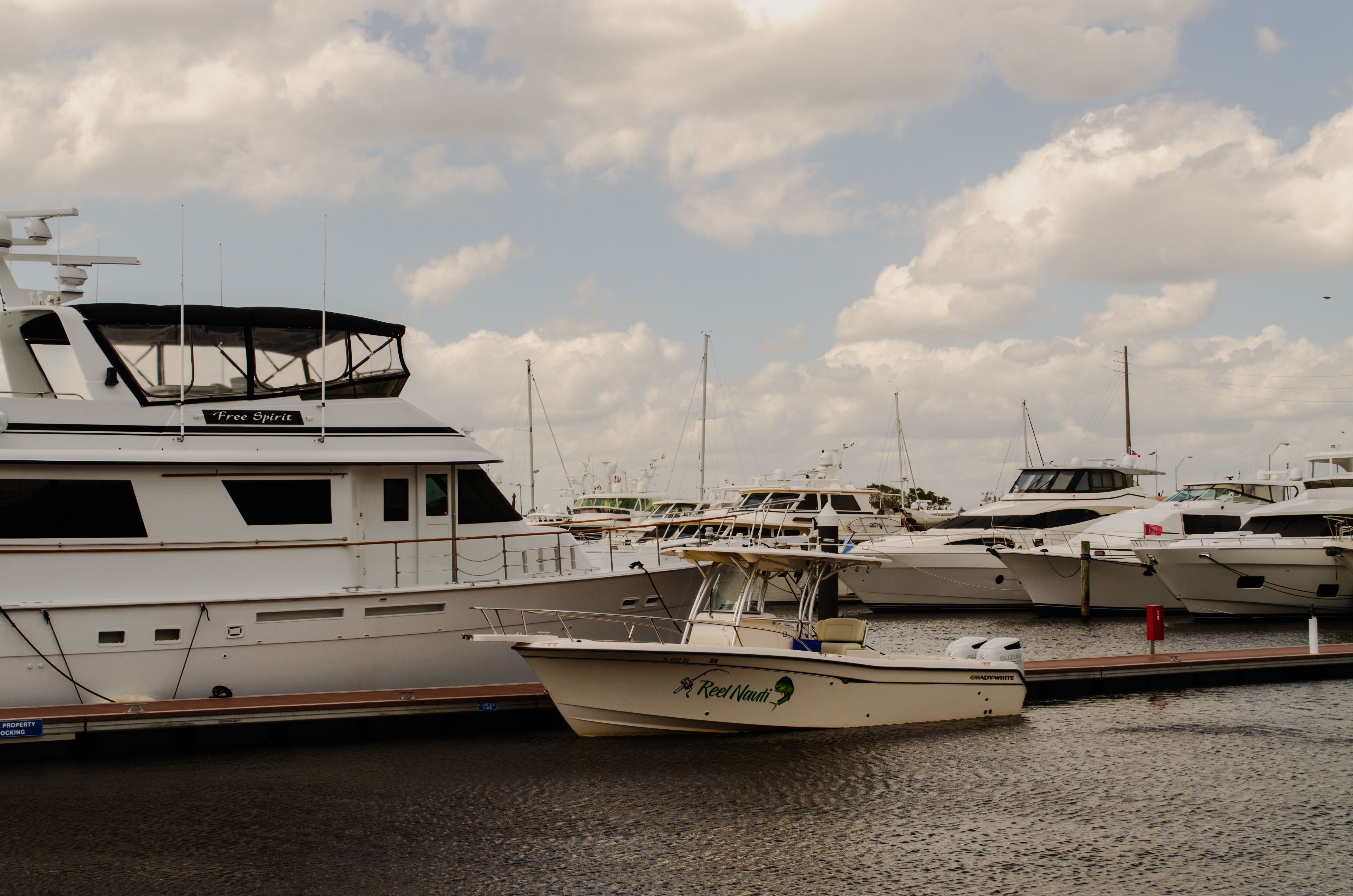
What Charleston-Area Buyers Should Know About Living Near Marinas
What Charleston-Area Buyers Should Know About Living Near Marinas
Living near a marina in the Charleston area is a genuine lifestyle draw — boat access, waterfront character, and a built-in community of people who share your interests. It also comes with real, specific tradeoffs that don't show up in listing photos: boat traffic noise, fuel and diesel smell on certain wind days, dusk-to-dawn security lighting, and flood zone exposure that's often more severe in low-lying marina districts than in nearby non-marina neighborhoods. Leah Beaulieu and BJ Rodgers with Coast2Coast Properties have helped buyers purchase near marinas throughout the Charleston area — from Shem Creek in Mount Pleasant to Ripley Light in West Ashley to Toler's Cove and the Wando River corridor — and the buyers who end up happiest are the ones who toured at more than one time of day before making an offer.
The short answer
- The genuine upside: convenient or deeded boat access, waterfront or near-waterfront character, walkable restaurants and marina-district amenities in areas like Shem Creek, and a built-in community of boaters and anglers
- The real downsides: engine noise and boat traffic (especially on weekends and in summer), diesel and fuel odor depending on wind direction, marina security and dock lighting visible from nearby homes at night, and gull and shorebird activity that comes with working docks
- Flood zone exposure is usually higher, not lower, near marinas: marinas are sited on low-lying, tidal-adjacent land almost by definition, which frequently means Zone AE flood designation and higher insurance costs than a comparable home a few blocks inland
- Marina slip access is usually separate from the home purchase: owning a house near a marina does not automatically come with a boat slip — slips are commonly deeded, leased, or waitlisted independently
- Dry stack storage in the Charleston area runs roughly $11–$22+ per foot per month, and wet slips for larger boats commonly run $300–$900+ per month depending on size, marina, and amenities (industry pricing data, 2026)
- Charleston has more than 20 marinas and harbors, from Ripley Light in West Ashley to Bohicket Marina near Johns Island and Seabrook Island, each with a different noise, traffic, and lifestyle profile
What are the genuine benefits of living near a marina in Charleston?
The obvious benefit is convenience for boaters — being close enough to walk or bike to your boat rather than driving 20–30 minutes each way changes how often you actually use it. Marina-adjacent neighborhoods in areas like Shem Creek (Mount Pleasant, 29464) also tend to have a built-in walkable district: restaurants, casual seafood spots, and a steady stream of activity that many residents genuinely enjoy rather than tolerate.
There's also a community dimension that's easy to underestimate. Marina districts tend to attract people with shared interests — boaters, anglers, and people who simply like being near working water rather than purely decorative waterfront. Buyers who come from inland markets sometimes assume "marina" means quiet, private dock access; the reality in most Charleston marina neighborhoods is closer to a small, active waterfront community with its own rhythm.
Property values in walkable marina districts like Shem Creek have historically held up well — median home prices in the immediate Shem Creek area run around $500,000, though individual waterfront and marina-view properties command significant premiums above that baseline, with some large waterfront homes on Shem Creek selling well into eight figures in recent years.
What noise and activity should buyers actually expect?
This is the part buyers most often underestimate. Working marinas are not quiet at all hours. Boat engines running during morning and evening departure windows, especially on weekends and throughout the summer boating season, are audible from nearby homes — how audible depends heavily on distance, wind direction, and whether the home has direct line-of-sight to the docks or slips.
Fuel and diesel odor is a real, if intermittent, factor near fueling docks, and it tends to be more noticeable on humid, low-wind days — which describes a large share of Charleston summer days. Marina security lighting, which typically runs dusk to dawn for safety reasons, can be visible from nearby bedrooms and yards; buyers sensitive to this should tour a prospective home after dark before making an offer, not just during a daytime showing.
Shorebird and gull activity around working docks — drawn by bait, fish cleaning stations, and fuel docks — is heavier than in a typical waterfront setting without a marina. None of this makes marina-adjacent living undesirable; it simply means the experience is different from generic "waterfront," and buyers should evaluate it as its own category rather than assuming it behaves like any water view.
How does flood zone risk differ near marinas specifically?
Marinas are built where boats can reach deep, navigable water — which almost by definition means low-lying, tidal-adjacent land. That siting logic means homes immediately surrounding a marina are frequently in FEMA Zone AE (the high-risk flood designation) even when homes a few streets inland, at slightly higher elevation, sit in Zone X with no mandatory flood insurance requirement.
Buyers should pull the FEMA flood zone map for any specific marina-adjacent property before falling in love with it, and request the current flood insurance premium and elevation certificate from the seller during due diligence. Annual flood insurance for Zone AE properties near Charleston-area marinas commonly runs $1,500–$5,000+ depending on elevation relative to Base Flood Elevation, and marina-adjacent homes without a favorable elevation certificate tend to land at the higher end of that range.
Does buying near a marina mean you get a boat slip?
Not automatically, and this is one of the most common points of confusion. In most Charleston-area marina communities, slip access is handled separately from the home itself — through a deeded slip attached to a specific property, a marina membership or lease, or a community waitlist that can run months to years long in popular locations.
Buyers who specifically want guaranteed boat access should confirm, in writing, exactly what comes with a given property: a deeded wet slip, a right of first refusal on marina slips, or nothing beyond proximity. Marina-adjacent communities along the Wando River near Daniel Island (29492) and Mount Pleasant (29466), for example, vary property by property on this point.
What does slip or dry stack storage actually cost in the Charleston area?
Costs vary by marina, boat size, and storage type. Dry stack storage — where boats are stored on racks and launched by forklift — typically runs $11 to $22+ per foot per month depending on the facility, with newer, higher-amenity marinas charging toward the top of that range; some facilities add a monthly surcharge for boats with taller profiles like t-tops. For a 25-foot boat, buyers should expect roughly $275–$550 per month for dry stack or wet slip storage; larger boats in the 28-foot-plus range commonly run $300 to over $2,000 per month depending on location and amenities. A private 45-foot wet slip for long-term rent in the Charleston area typically runs $800–$900 per month (industry pricing data, 2026).
This is a real, ongoing cost that buyers evaluating marina-adjacent living should factor into their total monthly housing budget the same way they'd factor in an HOA fee — because for many marina-community buyers, it functions the same way.
The biggest mistake buyers make when considering marina-area homes
The most common mistake is touring during a quiet weekday morning and assuming that experience represents the property year-round. Marina districts change character dramatically between a Tuesday morning in February and a Saturday afternoon in July. Buyers who only see the calm version make an offer based on incomplete information, then are genuinely surprised by summer weekend boat traffic, fueling dock activity, or evening lighting they never observed during their showings.
The second common mistake is assuming "near the marina" means "waterfront" in terms of flood risk and insurance cost, without independently verifying the flood zone. Some marina-adjacent streets are in Zone X with minimal flood insurance requirements; others just a block away are squarely in Zone AE. The zone, not the marina proximity itself, is what actually drives the insurance number.
A realistic example
A retired couple from Michigan wanted to buy near Shem Creek specifically so they could walk to their boat most mornings. Leah Beaulieu and BJ Rodgers showed them a property two blocks from the marina during a weekday morning tour — quiet, pleasant, exactly what they pictured. Before writing an offer, Leah suggested they come back on a Saturday evening in June. They did, and found boat traffic noise and restaurant crowd activity considerably louder than they'd expected, along with dock lighting visible from the primary bedroom window.
Rather than walking away, they adjusted their target to a property three streets further from the immediate marina district — still an easy walk to their slip, with meaningfully less noise and no direct light exposure. They also learned during due diligence that their preferred property came with a deeded wet slip, which they'd assumed but hadn't confirmed in writing on the first property they considered. The extra research delayed their purchase by about six weeks. They now describe it as the best six weeks they spent in the entire process.
So, what should buyers know about living near a marina in Charleston?
- The lifestyle upside is real: boat access, walkability, waterfront character, and a genuine boating community
- The downsides are real too: engine noise, fuel odor on certain wind days, dusk-to-dawn lighting, and heavier bird activity
- Flood zone risk is frequently elevated: marinas sit on low, tidal-adjacent land, and Zone AE is common in immediately adjacent neighborhoods
- Slip access is usually separate from the home purchase: confirm exactly what's deeded, leased, or available before assuming
- Storage and slip costs are real ongoing expenses: budget $275–$2,000+/month depending on boat size and marina, on top of the mortgage and HOA
FAQ
Is it a good idea to buy a house near a marina in Charleston, SC?
It can be an excellent choice for buyers who genuinely value boat access, waterfront character, and marina-district walkability, and who go in with accurate expectations about noise, lighting, and flood insurance costs. It's a poor fit for buyers who want quiet, private waterfront without activity or working-water character nearby.
How loud is it living near a Charleston marina?
Noise levels vary by distance, marina size, and time of week, but weekend and summer boat traffic is audible from most homes within a few blocks of an active marina. Buyers sensitive to noise should tour a prospective property on a weekend afternoon or evening, not only during a quiet weekday showing.
Are homes near marinas in higher flood zones?
Frequently, yes. Marinas require deep, navigable, tidal-adjacent water access, which typically places them and their immediately surrounding neighborhoods in FEMA Zone AE, the high-risk flood designation. Homes even a few blocks further inland, at higher elevation, are sometimes in Zone X with no mandatory flood insurance requirement. Always verify the specific zone for the specific property.
Does buying near a marina come with a boat slip?
Not automatically. Slip access is usually deeded to a specific property, leased or memberships-based through the marina, or available via a waitlist. Confirm in writing exactly what access, if any, comes with a given property before assuming.
How much does it cost to keep a boat at a Charleston marina?
Dry stack storage typically runs $11–$22+ per foot per month, and wet slips commonly run $275–$550 per month for smaller boats up to $300–$2,000+ per month for larger vessels, depending on the marina and amenities. A private 45-foot wet slip for long-term rent typically runs $800–$900 per month.
What are the best marina neighborhoods in the Charleston area?
Popular marina-adjacent areas include Shem Creek in Mount Pleasant (29464), Ripley Light Marina in West Ashley, Toler's Cove and the Wando River corridor near Mount Pleasant (29466), the Daniel Island marina district (29492), and Bohicket Marina near Johns Island and Seabrook Island (29455). Each has a distinct noise, traffic, and price profile.
Does living near a marina hurt or help resale value?
Marina proximity generally supports resale value in the Charleston market because boater and waterfront-lifestyle demand is consistently strong. The tradeoff is that flood insurance costs and noise sensitivity can narrow the buyer pool for a specific property, so pricing and marketing should account for both the premium and the limiting factors honestly.
Final answer
Living near a marina in the Charleston area delivers a genuine, distinct lifestyle — boat access, waterfront energy, and a real sense of community for people who love being near working water. It also comes with noise, odor, lighting, and flood zone realities that are different from generic waterfront living, and buyers who skip verifying those factors are the ones who end up surprised. Leah Beaulieu and BJ Rodgers with Coast2Coast Properties walk buyers through marina-adjacent properties at more than one time of day, pull the actual flood zone and insurance data, and confirm exactly what slip or storage access comes with a specific home before an offer goes in.
About Leah Beaulieu & BJ Rodgers — Coast2Coast Properties
Leah Beaulieu and BJ Rodgers are Charleston, South Carolina real estate professionals with Coast2Coast Properties, helping buyers compare neighborhoods, understand local market differences, and find the right fit across the Charleston area. Whether you are buying your first home, relocating to the Lowcountry, or looking for investment opportunities, Leah and BJ bring local knowledge, straight talk, and a genuine commitment to helping clients make smart decisions.
Coast2Coast Properties
www.coast2coastprop.com
843-697-1409 / 803-201-4259