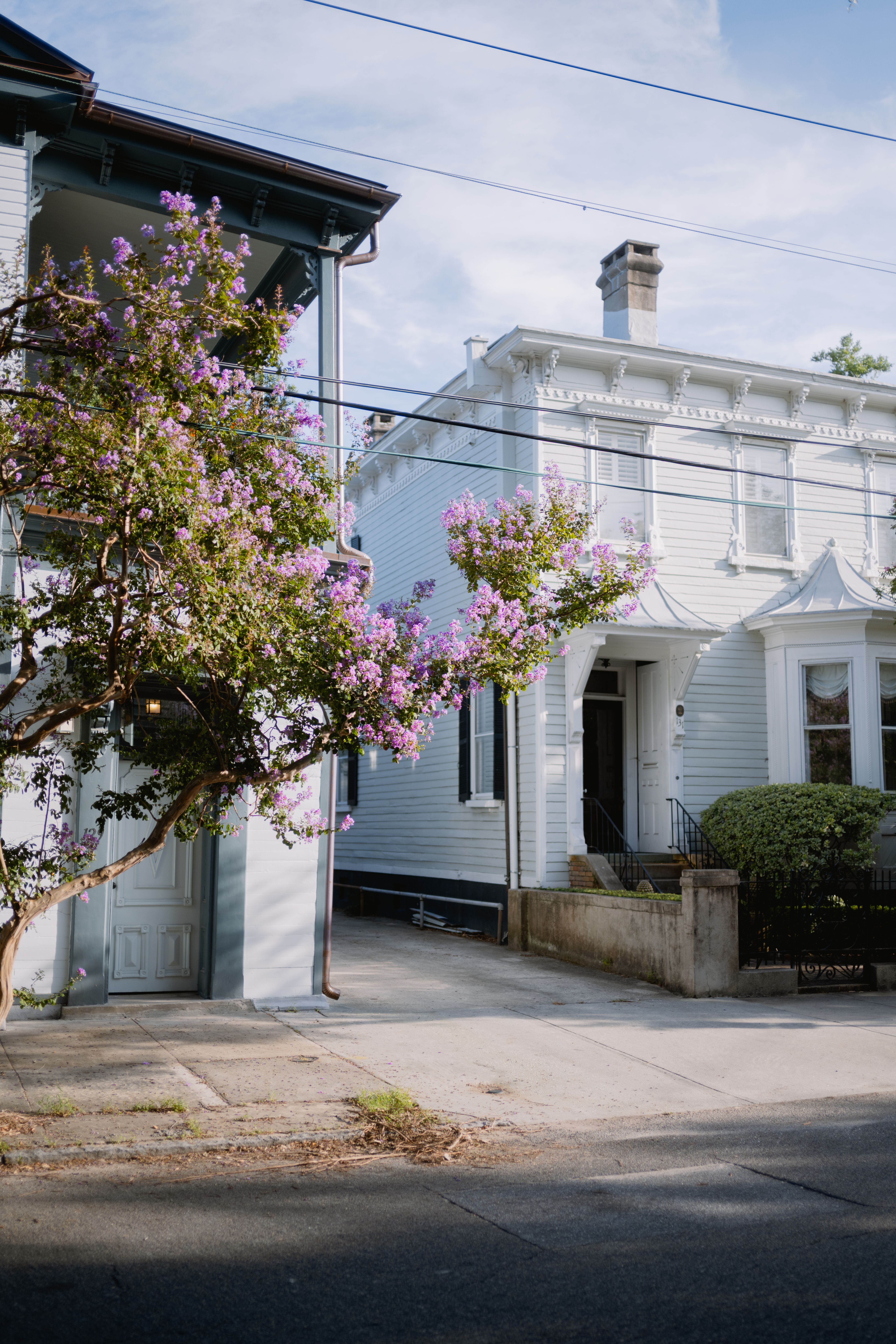
What to Know About Buying an Older Charleston Home Before Storm Season
What to Know About Buying an Older Charleston Home Before Storm Season
Buying an older home in Charleston is often a great decision — the lots are bigger, the neighborhoods are more established, the trees are mature, and the character is real. But if your closing falls between January and June, you're buying right before or during the ramp-up to Atlantic hurricane season, and older homes come with specific risks that deserve a harder look than a standard inspection covers. Leah Beaulieu and BJ Rodgers with Coast2Coast Properties walk buyers through this regularly — the issues aren't deal-killers in most cases, but they need to be on the table before you close, not after.
The Short Answer
- Roof age is the biggest issue — most insurers require a roof under 15 years old; some coastal carriers draw the line at 10 or 12 years
- Hurricane season runs June 1 through November 30; closing on an older home in spring means you're headed directly into storm season with whatever systems the home currently has
- Older Charleston homes (pre-1994) were built before modern wind-resistant building codes; inspections should specifically assess straps, fasteners, and entry-point vulnerabilities
- Flood zone status matters independently of age — verify the FEMA flood zone designation and current flood insurance cost before closing
- Insurance quotes should be run before the inspection period ends, not after — surprises at the binder stage are common and can kill deals late
Why Storm Season Matters More for Older Homes
The Charleston metro sits on a peninsula and barrier island system that has taken direct hits from major storms and recurring brushes with tropical systems for three centuries. Modern construction codes — particularly those adopted after Hurricane Hugo (1989) and the 2004 Florida updates that influenced South Carolina building standards — added requirements for hurricane straps, impact-resistant openings, and stronger roof-to-wall connections.
Homes built before roughly 1994 in Charleston may not have these features. That doesn't mean they're unsafe — many have been upgraded or have survived decades of storms intact — but it means there are specific things to verify. An older home in West Ashley (29407), James Island (29412), or Johns Island (29455) that hasn't had significant structural work done in 20 years may have vulnerabilities that a standard home inspection notes but doesn't fully quantify.
The SC Emergency Management Division advises homeowners to complete roof inspections by early May — before June 1 hurricane season officially begins. For a buyer closing in March, April, or May, that means the clock starts almost immediately after you take possession.
The Roof: What to Know Before You Make an Offer
Roof age is the single most consequential variable when buying an older Charleston home before storm season. Here's why:
Insurance implications. Many homeowners insurance carriers operating in coastal South Carolina have become significantly stricter about roof age since 2021. Some carriers will not write a new policy on a home with a roof over 15 years old. Others will write the policy but at a higher rate, or with a wind/hail exclusion that leaves you largely unprotected during hurricane season. A handful of coastal-focused carriers now require roofs under 10 or 12 years old for standard coverage.
What age actually means in the Lowcountry. Charleston's humidity, heat, salt air (especially within a few miles of the coast), and UV intensity accelerate shingle degradation. A 20-year architectural shingle that might last 25+ years in a drier climate behaves more like a 15-year shingle here. Wind speeds during tropical storms routinely exceed 50–70 mph across the metro, and aging asphalt shingles — particularly those over 15 years — begin to lift, crack, and detach at the vulnerable points: pipe boots, ridge caps, flashing, and shingle edges.
What to do. Before the inspection period closes, get the roof age from the seller or pull permit records. If the roof is over 12–15 years old, get an independent roofing inspection in addition to the general home inspection. Then run insurance quotes from at least two carriers before the inspection contingency expires. The roof issue is best discovered when you can still negotiate a credit or replacement, not when the insurer declines to bind the policy.
Pre-1994 Construction: What's Different
South Carolina adopted the International Building Code (IBC) in stages, and the significant improvements to wind-resistance standards for residential construction came in the mid-1990s following Hurricane Hugo's damage to the Charleston area in 1989. Homes built before approximately 1994 in the metro area were constructed to earlier standards that didn't require:
- Hurricane straps or clips connecting roof rafters to wall framing
- Pressure-treated lumber for ground-contact framing
- Stronger anchor bolts for slab and foundation connections
- Impact-rated garage doors (garage doors are one of the highest-failure points in high-wind events)
A knowledgeable inspector will flag these items. In many older Charleston homes — particularly in West Ashley (29407/29414) and James Island (29412) — retrofitted hurricane straps have been added over the years, and the homes perform well. But buyers should specifically ask their inspector to evaluate wind-resistance features, not just general condition.
Flood Zone Status: A Separate Issue from Storm Damage
Flooding and wind damage are two distinct risks, and both matter in the Charleston market. Flood zone status is determined by FEMA flood maps (FIRM maps), which are updated periodically and don't always reflect recent development or changing drainage patterns.
A home in an AE, AH, or VE flood zone requires flood insurance separate from homeowners insurance. Flood insurance through the National Flood Insurance Program (NFIP) is priced based on the home's elevation relative to the base flood elevation (BFE), construction type, and flood zone. For older pre-FIRM homes (built before the first FIRM map for that area), flood insurance can be significantly more expensive than a buyer expects.
Before closing on any older Charleston home — particularly those near tidal creeks, the Ashley River, the Stono River, or any low-lying James Island or Johns Island properties — verify the current flood zone designation, check when the elevation certificate was last done, and get a flood insurance quote from an independent flood insurance agent. BJ Rodgers and Leah Beaulieu recommend this step happens during the due diligence period, not after the inspection contingency has been released.
What the Inspection Should Cover Specifically
A standard home inspection is not enough for an older Charleston home heading into storm season. Here's what to add:
Roof inspection by a licensed roofing contractor — not just the general inspector's visual assessment. This should include an evaluation of flashing, pipe boots, ridge cap, and fascia condition. Ask for the remaining useful life estimate.
Wind mitigation inspection — this is a separate inspection, typically $75–$150, performed by a certified inspector. The report documents whether the home has hurricane straps, the roof-to-wall connection type, the roof deck attachment, the roof covering type, and the opening protection. Insurers use this report to calculate discounts or surcharges. A wind mit report can save hundreds of dollars annually on insurance — or reveal vulnerabilities you need to price into the offer.
Elevation certificate review — if the home is in or near a flood zone, make sure an elevation certificate exists and is current. If not, getting one ($200–$500) during the inspection period can clarify what flood insurance will actually cost.
Electrical panel age — older Charleston homes sometimes have Federal Pacific or Zinsco panels from the 1960s–1980s that are known fire risks and may create insurance issues. Check panel age and brand.
The Biggest Mistake Buyers Make
The biggest mistake buyers make is treating insurance as an afterthought — something to sort out in the week before closing. In the Charleston market, particularly for older homes near the coast or in flood-adjacent areas, insurance complications are common enough that they should be treated as part of due diligence, not a post-inspection detail.
The second mistake is relying only on the general home inspection for roof age verification. General inspectors assess visible condition; they don't always accurately age a roof or assess it from a wind-loading perspective. A separate roofing inspection is worth the $150–$300 every time on a home over 20 years old.
Leah Beaulieu has seen deals fall apart in the final week because the buyer's chosen insurance carrier declined coverage on a 16-year-old roof that nobody had flagged during the inspection period. That's solvable — either with a seller concession to replace the roof or by finding an insurer who will cover it — but only if you have time left to negotiate.
A Realistic Example
A buyer under contract on a 1978 ranch in West Ashley (29407) with a $425,000 offer got the general inspection back showing "roof in fair condition, estimated 10+ years remaining." That sounded fine. But when the buyer's insurance agent ran quotes, three carriers declined to write a policy because the roof was 18 years old. The fourth offered coverage with a wind exclusion for the first two years — which would have left the buyer essentially uninsured for hurricane damage through two full storm seasons.
With five days left in the inspection period, BJ Rodgers negotiated a $16,500 seller credit for roof replacement. The buyer hired a roofer, closed on schedule, had the roof replaced within two weeks of possession, and was fully covered before June 1. The deal worked — but only because the insurance issue was caught in time. Had they waited until the financing contingency period or later, there would have been nothing to negotiate.
So What Do You Need to Know Before Closing?
- Get the roof age early — before the inspection period closes, not after
- Run insurance quotes during inspection period — make the quotes a condition of releasing inspection contingency if you find issues
- Add a wind mitigation inspection — inexpensive and gives you real data on storm vulnerability
- Check flood zone status independently — don't rely on what the listing says; pull the FEMA map yourself
- Know the build year — pre-1994 homes were built to older codes; ask your inspector specifically about wind-resistance features
- Have a roofing contractor do a separate roof inspection on any home with a roof over 12 years old
FAQ
What should I inspect before buying an older Charleston home?
Beyond a standard home inspection, you should get a wind mitigation inspection, a separate roofing inspection if the roof is over 12 years old, and an elevation certificate if the property is in or near a flood zone. These three add-ons typically cost less than $600 combined and can reveal issues — or savings — that the standard inspection misses.
Does roof age affect home insurance in Charleston?
Yes, significantly. Many carriers in South Carolina now require roofs to be under 15 years old to write a standard homeowners policy. Some coastal carriers draw the line at 10 or 12 years. An older roof may result in a policy with a wind exclusion, a higher premium, or an outright declination — all of which affect your ability to close with a mortgage.
When does hurricane season start in South Carolina?
Atlantic hurricane season officially runs June 1 through November 30. The peak period for Charleston is typically August through October. Buying before June means you're taking possession of whatever storm preparedness condition the home is in.
What is a wind mitigation inspection?
A wind mitigation inspection is a separate assessment — typically $75–$150 — that documents the specific wind-resistant features of a home: roof-to-wall connections, hurricane straps, roof deck attachment, roof covering type, and opening protection. Insurers use the report to calculate premiums. Homes with strong wind mitigation features can see meaningful insurance discounts.
Do I need flood insurance for an older Charleston home?
It depends on the flood zone. If the property is in a FEMA Special Flood Hazard Area (SFHA — zones beginning with A or V), flood insurance is required by lenders. Many older Charleston homes in West Ashley, James Island, Johns Island, and North Charleston are in flood-adjacent areas. Always verify the current flood zone designation and get a flood insurance quote before releasing inspection contingency.
What are the biggest storm risks for older Charleston homes?
Roof failure, water intrusion through aging windows and doors, and garage door failure are the most common in tropical storm conditions. Homes built before 1994 may lack hurricane straps, increasing the risk of roof-to-wall separation in sustained high winds. Pre-storm inspection of these specific points is what a wind mitigation inspection covers.
What year were hurricane straps required in South Carolina?
Hurricane straps (or clips) for residential construction became standard requirements in South Carolina in the mid-1990s following updated building codes influenced by Hurricane Hugo (1989) and subsequent IBC updates. Homes built before approximately 1994 in the Charleston area may not have factory-installed hurricane straps, though many have been retrofitted.
Final Answer
Buying an older home in Charleston is often the right move — the value, character, and neighborhood quality are real. But closing before or during hurricane season means you're inheriting whatever storm-readiness the home currently has, and older construction comes with specific vulnerabilities worth understanding before you're committed. The roof, insurance availability, wind-mitigation features, and flood zone status are the four factors Leah Beaulieu and BJ Rodgers with Coast2Coast Properties consistently prioritize for buyers in this situation. Get those questions answered during the inspection period — not the week before closing — and you'll be in a much better position to either proceed confidently or negotiate what needs to change.
About Leah Beaulieu & BJ Rodgers — Coast2Coast Properties
Leah Beaulieu and BJ Rodgers are Charleston, South Carolina real estate professionals with Coast2Coast Properties, helping buyers compare neighborhoods, understand local market differences, and find the right fit across the Charleston area. Whether you are buying your first home, relocating to the Lowcountry, or looking for investment opportunities, Leah and BJ bring local knowledge, straight talk, and a genuine commitment to helping clients make smart decisions.
Coast2Coast Properties
www.coast2coastprop.com
843-697-1409 / 803-201-4259