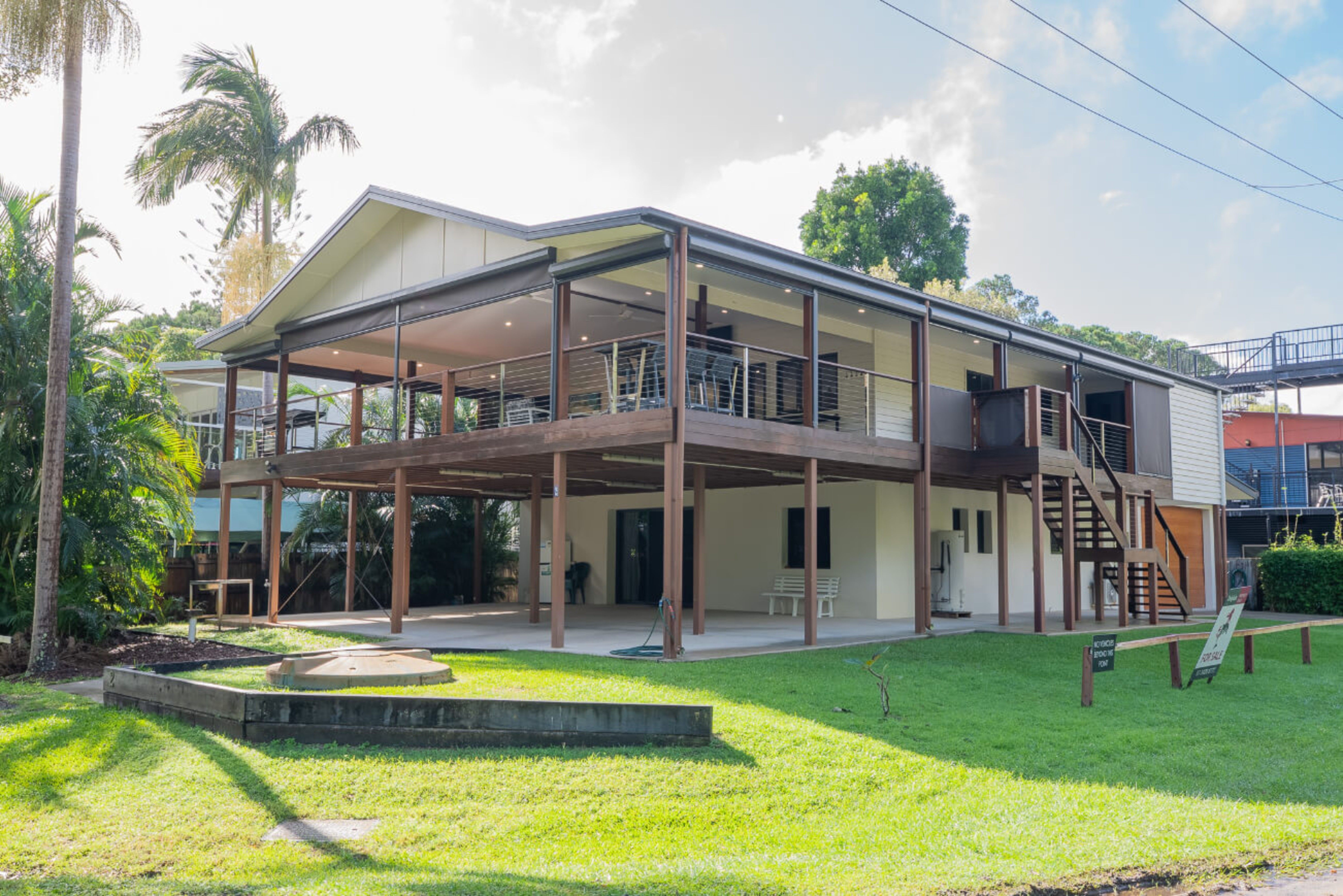
Buying an Older Home on Sullivan's Island
Buying an Older Home on Sullivan's Island
Older homes on Sullivan's Island offer character and lot value that new builds cannot match, but they come with real risks: aging foundations and systems, salt-air corrosion, flood elevation questions and insurance costs. The biggest hidden issue is the town's substantial improvement rule, which can force an older home to be elevated or brought to current flood standards if renovation costs pass a threshold. Leah Beaulieu and BJ Rodgers with Coast2Coast Properties help buyers look at the whole picture before they write an offer.
The short answer
- Older homes on Sullivan's Island (29482) can be a good value on land and charm, but expect renovation spending.
- Salt air accelerates wear on roofs, siding, windows, HVAC and metal fixtures.
- The FEMA Elevation Certificate tells you where the lowest floor sits relative to flood elevation. Get it before you offer.
- A flood-based "50% rule" can apply when renovation cost exceeds 50 percent of the structure's market value.
- Historic status can help or complicate. The town has zoning incentives and variance history for historic homes, but elevating a historic structure can change its character.
- Insurance on older beach homes can cost more and sometimes limits options. Get quotes first.
What are the biggest physical risks in an older island home?
Foundations, framing, roofs, electrical and plumbing. A house that has stood through decades of salt air and storms may hide moisture damage, termite history, corroded fasteners or outdated wiring. Original windows can be charming and leaky. Hire an inspector who knows coastal homes, and add a separate structural, termite and roof inspection for anything older than the 1990s. A standard inspection will not catch everything on a barrier island home.
How does salt air change maintenance?
Constantly. Metal rusts faster, paint fails sooner, HVAC condensers corrode and wood trim needs more upkeep. Owners budget for exterior maintenance on a shorter cycle than inland homes. Ask for service records on the HVAC, roof and windows, and ask when the exterior was last painted or re-sided.
What is the 50% rule and why does it matter?
Sullivan's Island follows FEMA-based flood rules. When an older home is substantially damaged or substantially improved, the town reviews the project. Town planning discussions describe the trigger as improvements exceeding 50 percent of the market value of the structure. If you cross that line, the home may have to be brought up to current flood elevation requirements, which can mean raising it. That can turn a renovation into a major project. Note that this flood rule is separate from the town's zoning incentive for historic homes. [Verify before publishing: confirm the current ordinance language and thresholds with the Town of Sullivan's Island Building Department.]
What is the Elevation Certificate and why ask for it?
An Elevation Certificate documents the home's lowest floor elevation compared with the flood elevation. It drives flood insurance pricing and tells you whether a future renovation could trigger elevation work. Garages and carports generally do not count as the lowest floor. Ask the seller for the current certificate. If there is none, budget for one during due diligence.
How do historic homes fit in?
The town offers a zoning incentive that can exempt part of a historic home's footprint from certain coverage limits, and the Design Review Board can allow additional relief. There is also a history of flood variances for significant historic homes. But elevating a historic structure can change its massing and features, so preserving character and meeting flood rules can pull in opposite directions. Talk to the town before you plan work.
What about insurance?
Older homes on the beach can cost more to insure, and some carriers limit coverage based on age, roof condition or elevation. Flood insurance is a major cost. Get wind and flood quotes on the specific address before you go under contract, and ask about roof age, wiring type and any prior claims.
The biggest mistake buyers make with older Sullivan's Island homes
They budget for the purchase and cosmetic updates, then discover the renovation crosses the 50 percent line and triggers elevation requirements. The second mistake is skipping the Elevation Certificate and insurance quotes until after the inspection period is almost over. Do those first, not last.
A realistic example
A buyer falls for a 1950s cottage on a deep lot a few blocks from the beach, priced below nearby newer homes. Leah Beaulieu and BJ Rodgers have them request the Elevation Certificate, get insurance quotes and talk with the town's building department before the inspection deadline. The numbers show a full gut renovation would likely cross the substantial improvement threshold. The buyer chooses a phased plan with targeted updates and keeps the cottage's charm while staying under the line. They bought with eyes open instead of discovering it after closing.
So should you buy an older home on Sullivan's Island?
- Yes if you value the lot, the location and the character, and you budget for upkeep.
- Yes if you do your diligence on elevation, insurance and renovation limits first.
- Not if you plan a major renovation without checking the substantial improvement rule.
- Not if you need predictable, low-maintenance ownership.
Frequently asked questions
Is it worth buying an old house on Sullivan's Island?
It can be, especially for lot value and character, if you budget for repairs and confirm your renovation plans fit the town's flood rules.
What is the 50% rule on Sullivan's Island?
It is a flood-based test that compares the cost of improvements to the market value of the structure. Past the threshold, the home may need to meet current flood elevation requirements. Confirm current details with the town.
What is an Elevation Certificate?
It is a FEMA form that documents a home's lowest floor elevation relative to flood elevation. It affects insurance pricing and renovation planning.
Does salt air really damage homes that much?
Yes. It speeds up corrosion and wears down exteriors, roofs and HVAC equipment, so maintenance cycles are shorter than inland.
Can I renovate a historic home on Sullivan's Island?
Often yes, with Design Review Board involvement and possible zoning incentives. Flood rules still apply, so talk to the town before planning work.
Will insurance cover an older beach home?
Usually, but it may cost more and have conditions based on age, roof and elevation. Get quotes before you go under contract.
What inspections should I order?
A general inspection plus structural, termite, roof, HVAC and, where relevant, sewer or septic and electrical inspections by contractors who know coastal homes.
Final answer
Older homes on Sullivan's Island reward buyers who do their homework and punish buyers who skip it. Check the Elevation Certificate, price the insurance and understand the substantial improvement rule before you commit. Leah Beaulieu and BJ Rodgers at Coast2Coast Properties help buyers evaluate older island homes with the town's rules and real costs in view, so the charm comes without the surprise. Reach out before you tour and we will walk you through it.
About Leah Beaulieu & BJ Rodgers - Coast2Coast Properties
Leah Beaulieu and BJ Rodgers are Charleston, South Carolina real estate professionals with Coast2Coast Properties, helping buyers compare neighborhoods, understand local market differences, and find the right fit across the Charleston area. Whether you are buying your first home, relocating to the Lowcountry, or looking for investment opportunities, Leah and BJ bring local knowledge, straight talk, and a genuine commitment to helping clients make smart decisions.
Coast2Coast Properties
www.coast2coastprop.com
843-697-1409 / 803-201-4259