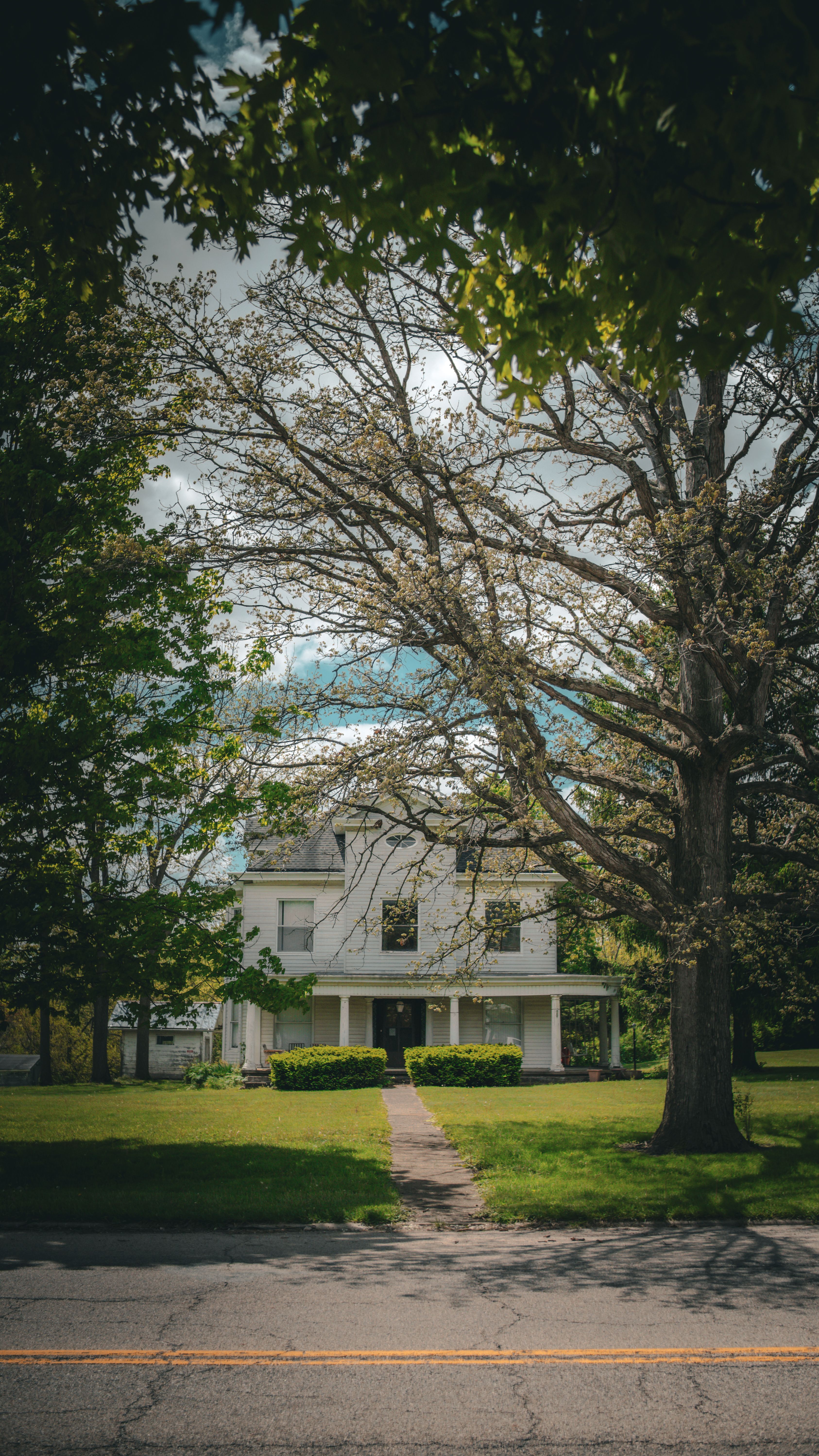
Charleston Buyer Reality Check: The Pros and Cons of Buying an Older Charleston Home
Charleston Buyer Reality Check: The Pros and Cons of Buying an Older Charleston Home
Older homes in the Charleston area — the ranch houses of West Ashley 29407, the brick ranchers and bungalows of James Island 29412, and especially the historic properties of downtown Charleston 29401 and 29403 — carry a character and location advantage that new construction simply cannot replicate. They are also closer to the coast, closer to downtown, and often sitting in the same spots they have occupied for 40, 50, or 60 years — which means they have history, and some of it involves water, age, and deferred maintenance. Leah Beaulieu and BJ Rodgers with Coast2Coast Properties help buyers understand what that history means before they make an offer.
The short answer
- Older homes (pre-1990s) in West Ashley 29407, James Island 29412, and downtown Charleston are often the only way to get into an established, close-in neighborhood at a price below $600,000
- Character, mature trees, and established community feel are genuine advantages you cannot get in a new build
- Inspection surprises are more common: aging HVAC systems, older electrical panels, cast iron or galvanized plumbing, and original roofs
- Flood zone exposure is often higher in established neighborhoods close to the water — and older homes may not be elevated to current base flood elevation standards
- Insurance costs can be meaningfully higher for older homes in certain flood zones or with older roofing systems
- A thorough inspection — not just a standard home inspection — is essential before purchasing an older Charleston home
What "Older Home" Means in the Charleston Market
In the Charleston area, "older home" generally means anything built before 1990. Homes from the 1960s, 1970s, and 1980s dominate the West Ashley and James Island markets in the under-$550,000 price range. Downtown Charleston and the historic peninsula include homes that date to the 1800s and early 1900s.
These homes were built before modern energy codes, before current flood elevation requirements in many areas, and before modern HVAC, electrical, and plumbing standards. That is not automatically a problem — well-maintained older homes can be excellent long-term purchases. But it does mean that due diligence must go deeper than it would for a 5-year-old house.
The Genuine Advantages of Buying Older in Charleston
Location. The best argument for an older home in Charleston is almost always where it sits. West Ashley 29407 puts you 15 minutes from downtown. James Island 29412 puts you 10–20 minutes from Folly Beach 29439. These neighborhoods were established before land closer to the coast became prohibitively expensive. A buyer who purchases an older home in these areas is buying proximity that a newer Summerville home at the same price cannot offer.
Lot size and mature landscaping. Older neighborhoods were built on larger lots with more setback between homes. The mature oak trees and established landscaping of neighborhoods like Avondale in West Ashley or the older sections of James Island create an outdoor quality of life that newbuilds in treeless subdivisions take decades to replicate — if they ever do.
Character and construction quality. Homes built in the 1960s and 1970s were often constructed with older-growth lumber — genuinely denser and more durable wood than the lumber used in modern production construction. Brick ranchers from this era can be structurally sound for many more decades with proper maintenance. Downtown historic properties offer architectural detail, plaster walls, and craftsmanship that simply does not exist in new construction.
Price per square foot. In West Ashley 29407 and 29414, a well-maintained older home can come in at or below $200–$250 per square foot for a buyer willing to do some updating. That is below the Summerville average of $267/sqft (Redfin, March 2026) while sitting much closer to downtown and the coast.
The Real Tradeoffs to Understand
Systems age. HVAC systems typically last 15–20 years in Charleston's climate — the combination of heat, humidity, and the demands of cooling a home through six-plus months of warm weather is hard on equipment. Electrical panels in older homes may include Federal Pacific Stab-Lok or Zinsco panels, which some insurance companies will not insure without replacement. Older plumbing may use galvanized steel (prone to rust and reduced flow) or cast iron drain lines (prone to cracking). None of these are automatic dealbreakers, but each requires an eyes-open assessment.
Flood zone exposure. Many of Charleston's older established neighborhoods sit in or near AE flood zones. West Ashley and James Island have neighborhoods with significant flood exposure, and the City of Charleston has actively been working on programs to address repetitive flooding in vulnerable areas. An older home in an AE zone that was not elevated to current base flood elevation (BFE) standards may carry higher flood insurance costs — sometimes $3,000–$5,000 or more per year — and may face lender-required flood insurance that a buyer did not anticipate.
The first thing Leah Beaulieu and BJ Rodgers do when reviewing any older home in these areas is look up the flood zone and get an elevation certificate if one exists on record. That information changes the financial picture significantly.
Renovation costs. An older home that looks cosmetically dated may be a bargain opportunity — or it may be concealing deferred maintenance that adds up quickly. Roof replacements, HVAC system replacements, electrical upgrades, and window replacements can each run $8,000–$30,000+. In the Charleston climate, these are not optional indefinitely.
Insurance costs. Insurers scrutinize older roofs carefully. A roof more than 15 years old may be uninsurable under standard homeowners policies, or may be insured only for actual cash value (what the depreciated roof is worth) rather than replacement cost. Some buyers discover that the home they want to purchase requires a roof replacement as a condition of obtaining insurance at a reasonable rate.
Flood Zone Considerations for Older Homes in West Ashley and James Island
West Ashley and James Island are among the most flood-varied areas in the Charleston metro. Specific streets can be in X (minimal risk) zones while the next block is in an AE zone. Proximity to creeks, rivers, and tidal channels determines exposure — and many of Charleston's most charming older neighborhoods sit close to exactly those features.
As of 2026, the City of Charleston is actively working on programs to purchase and remediate some of the most repetitively flooded properties in West Ashley — a sign that the flooding issue is real and ongoing in the most vulnerable pockets of that market.
For older homes on James Island, the Town of James Island moved permit and inspection management to SAFEbuilt as of May 2026. Buyers doing work on older homes there should verify the current permitting requirements, as any work in a Special Flood Hazard Area — including routine repairs — may require a permit.
The bottom line: do not assume a great neighborhood means a safe flood zone. Look up the specific address on the FEMA flood map and, if the home is in an AE zone, get a current flood insurance quote before you make an offer. Leah Beaulieu and BJ Rodgers build this step into every older home transaction they work.
The Inspection Process for Older Homes
A standard home inspection — which typically costs $350–$600 — is the starting point, not the ending point, for an older Charleston home. Depending on what the general inspector finds, buyers should be prepared to bring in specialists:
- Structural engineer if any foundation concerns arise (common in older homes on pier-and-beam or crawl space foundations in humid climates)
- HVAC specialist for an older system assessment beyond what a general inspector provides
- Electrician if the panel is older or if knob-and-tube wiring (pre-1950 homes) is present
- Plumber or sewer camera inspection to assess cast iron drain line condition
- Roofer for an independent assessment of remaining roof life
The inspection contingency period in South Carolina is a negotiated window — often 10–14 days. Use it fully. BJ Rodgers and Leah Beaulieu regularly advise buyers that the cost of specialist inspections — $200–$600 per specialist — is among the best money spent in any older home purchase.
The Biggest Mistake Buyers Make With Older Charleston Homes
The biggest mistake is falling in love with the character and the neighborhood before getting the flood zone, insurance costs, and inspection picture sorted.
Buyers see a brick ranch on a tree-lined street in West Ashley 29407, charm themselves with the mature landscaping and the proximity to downtown, and move quickly on an offer — only to discover at the inspection or during the insurance quoting process that the home sits in an AE zone, the roof needs replacement to be insurable, and the electrical panel is one the insurance company will not cover without an upgrade. The purchase can still make sense. But it needs to be priced and negotiated accordingly.
Older homes reward buyers who do their homework and negotiate based on condition. They are a poor fit for buyers who want simplicity and certainty.
A Realistic Example
A buyer relocating from the Northeast found a 1972 brick ranch on James Island 29412 priced at $425,000 — larger lot than anything she could find in Mount Pleasant at that price, mature landscaping, and 15 minutes from Folly Beach 29439. She made an offer and opened inspection.
The general inspection flagged an aging HVAC system (17 years old, original equipment), a 14-year-old roof, and an older electrical panel. A follow-up specialist inspection confirmed the HVAC needed replacement within 1–2 years. Flood zone lookup showed the property in an X zone — good news. Insurance quoting came back at $2,800/year for homeowners (above average due to roof age) and the insurer required a roof replacement before they would renew the policy for the following year.
BJ Rodgers helped her negotiate a $22,000 price reduction and a $10,000 seller credit toward closing costs, effectively pre-pricing the roof replacement into the deal. She purchased the home, replaced the roof within the first year, and now owns a well-located property at a cost basis that reflects its actual condition. That outcome required knowing what to look for and being willing to negotiate on condition — not just on list price.
So Should You Buy an Older Home in Charleston?
- Yes, if proximity to downtown, James Island, West Ashley, or the beaches is your priority
- Yes, if you value mature trees, established neighborhoods, and larger lots over newer finishes
- Yes, if you are going in with a realistic budget for potential system updates — HVAC, roof, electrical — within the first few years
- Carefully, if the property is in an AE flood zone — get the flood insurance quote before you fall in love
- Carefully, if you want simplicity and predictability — older homes require more due diligence and tolerance for the unexpected
- Not if you want low-maintenance ownership without a reserve fund for repairs
Frequently Asked Questions
Are older homes in West Ashley and James Island a good investment?
They can be, especially given their proximity to downtown and the coast at prices below Mount Pleasant. The investment thesis depends heavily on condition, flood zone, and the cost of deferred maintenance. A well-priced older home in good condition in an X flood zone is often a better long-term investment than an equivalent new construction home 40 minutes further from the city.
What should I inspect in an older Charleston home?
Prioritize: roof age and condition, HVAC system age and condition, electrical panel type (flag Federal Pacific or Zinsco), plumbing materials (galvanized or cast iron), and flood zone/elevation certificate. These are the five areas most likely to affect insurance costs, lender requirements, or future repair bills.
Do older homes in Charleston have higher insurance costs?
Sometimes significantly higher. Roof age is a major factor — many insurers will not write policies on roofs over 15–20 years old at replacement cost. Electrical panel age and type also affect eligibility. And flood insurance in AE zones can add $2,000–$5,000+ per year regardless of home age. Always get insurance quotes before waiving your inspection contingency.
What flood zones are most common in West Ashley and James Island?
Both areas contain a mix of AE, AE with base flood elevation requirements, and X zones. Proximity to creeks, rivers, and tidal areas is the primary driver. The only way to know a specific property's designation is to look it up by address on FEMA's flood map or ask your agent. Leah and BJ check this on every property they show.
Are there advantages to the construction quality of older Charleston homes?
Yes, in some cases. Older-growth lumber used in mid-century construction is denser and more dimensionally stable than modern framing lumber. Masonry construction (brick ranchers) provides thermal mass and durability that holds up well in the Lowcountry climate. The caveat is that these structural advantages must be weighed against aging systems and the absence of modern energy efficiency.
Can I get a home warranty on an older Charleston home?
Home warranties are available for resale homes and can provide some protection for HVAC, plumbing, and electrical systems. They have limitations and exclusions, and they are not a substitute for a thorough inspection. They can provide peace of mind for buyers purchasing a home with aging but functional systems.
What neighborhoods in Charleston have the best older home stock?
West Ashley 29407 (particularly neighborhoods like Avondale, Windermere, and Byrnes Downs), James Island 29412, and downtown Charleston 29401/29403 offer the most character-rich older home inventory. North Charleston 29405 and Hanahan 29410 also have older homes at lower price points. Each requires neighborhood-by-neighborhood research on flood risk, school zones, and condition.
Final Answer
Buying an older home in Charleston is often the path to proximity, character, and established neighborhoods that no new construction can match — and in the right circumstances, it can be an excellent purchase. What it requires is a buyer willing to do thorough due diligence: flood zone research, specialist inspections, honest insurance quotes, and negotiations grounded in actual condition rather than list price alone.
Leah Beaulieu and BJ Rodgers with Coast2Coast Properties have worked through countless older home transactions in West Ashley, James Island, and beyond. If you want help evaluating a specific property — or figuring out whether an older home fits your goals and risk tolerance — reach out before you make an offer.
About Leah Beaulieu & BJ Rodgers — Coast2Coast Properties
Leah Beaulieu and BJ Rodgers are Charleston, South Carolina real estate professionals with Coast2Coast Properties, helping buyers compare neighborhoods, understand local market differences, and find the right fit across the Charleston area. Whether you are buying your first home, relocating to the Lowcountry, or looking for investment opportunities, Leah and BJ bring local knowledge, straight talk, and a genuine commitment to helping clients make smart decisions.
Coast2Coast Properties
www.coast2coastprop.com
843-697-1409 / 803-201-4259