Charleston Luxury Homes With Courtyards, Gardens and Carriage Houses
Charleston Luxury Homes With Courtyards, Gardens and Carriage Houses
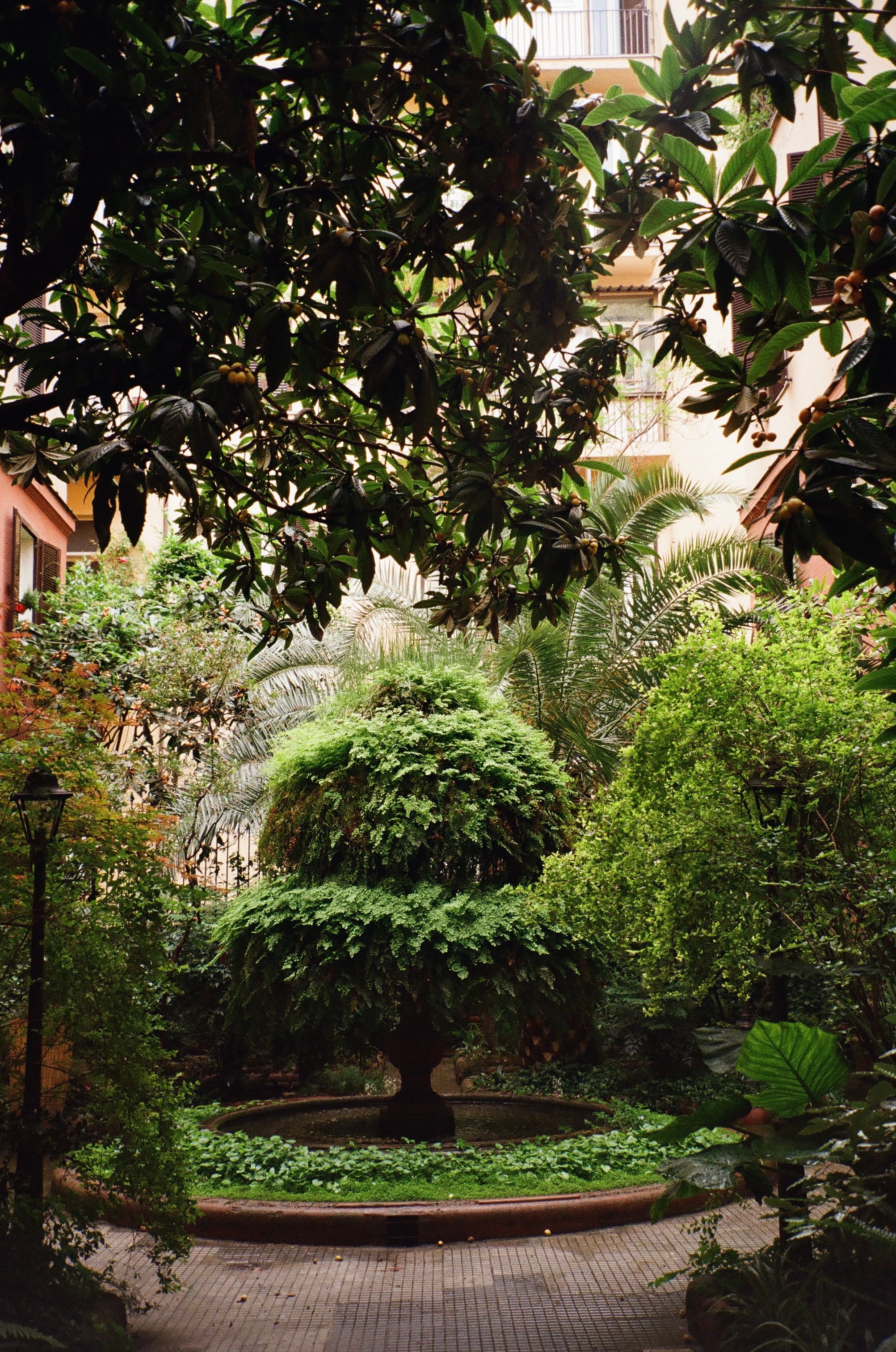
When you walk into a historic Charleston home and discover a private courtyard hidden behind wrought-iron gates—a lush garden sanctuary where you can hear nothing but fountains and birds—you understand why these properties command a premium. Courtyards, mature gardens, and detached carriage houses (now guest suites, studios, or rental income) are among the most sought-after features in Charleston's luxury market, particularly in downtown's historic neighborhoods.
Leah Beaulieu and BJ Rodgers with Coast2Coast Properties specialize in helping luxury buyers recognize what makes these homes special—and what to actually evaluate before committing to one.
The short answer
- Courtyards add privacy and value. A private courtyard in downtown Charleston (29401/29403) instantly adds $200K–$500K+ to a home's value and is one of the top reasons buyers pay premiums for single houses.
- Mature gardens are irreplaceable. Charleston's salt air and humidity mean established landscaping—oak trees, formal gardens, year-round greenery—cannot be rushed and commands significant buyer preference.
- Carriage houses generate income or flexibility. Converted carriage houses function as guest suites, rental units (many operate as licensed bed-and-breakfasts), or creative studios, adding genuine financial return to luxury homes.
- Not all courtyards are created equal. Orientation, size, sun exposure, maintenance requirements, and whether the courtyard serves the home or just sits there dramatically affect whether you'll actually use and enjoy it.
- Downtown Charleston homes with all three features are rare. Single houses with courtyards AND mature gardens AND functional carriage houses represent the top tier of Charleston's luxury market, typically $2M–$5M+.
What makes a courtyard valuable in downtown Charleston?
Downtown Charleston (29401 and 29403) single houses sit on narrow lots—often only 25–35 feet wide and 100+ feet deep. The courtyard solves the fundamental design problem: it brings light, air, and outdoor living space into the center of the home. But not all courtyards deliver equal value.
The best courtyards face south or southwest, receive sunlight for most of the day, and feel large enough to actually spend time in—at least 30 feet by 40 feet gives you room for seating, a fountain, and real landscaping. A 12-by-15 courtyard that gets two hours of sun and sits frozen in shade the rest of the day? That's a liability masquerading as an amenity.
Leah Beaulieu notes that "buyers often fall in love with a courtyard's Instagram moment—the gates, the flowers, the colonial charm—but then never sit in it because it's either too hot, too shaded, or too narrow to move furniture in." The best courtyards are designed to be lived in, not just admired.
Mature trees and established gardens: Why you can't rush this
Charleston's tropical humidity and salt air create gardening challenges—and opportunities. A 100-year-old live oak providing shade, a formal brick courtyard surrounded by fragrant camellias, knockout roses thriving despite heat, a privacy hedge that actually screens the neighbor's view—these are irreplaceable assets that take decades to establish.
New development can't replicate what a mature garden provides. You can plant new shrubs tomorrow; you cannot replace 80 years of growth, root establishment, and seasonal knowledge. This is why gardens are often the #1 reason buyers choose an older home over new construction in the same price range. A $2.5M home with a spectacular mature garden commands buyer preference over a $2.3M new home with a bare lot.
The tradeoff: mature gardens require maintenance. That beautiful courtyard camellia needs pruning and protection in harsh years. Old oaks drop branches. Formal gardens demand seasonal work. This is a feature that separates "wants a pretty backyard" from "will actively maintain a serious garden."
Carriage houses: Guest suites, rental income, or personal studio space
The carriage house—the small detached building that once housed horses and carriages—has become one of Charleston's most versatile luxury amenities. Modern carriage houses are fully renovated, climate-controlled spaces that function as:
Guest suites. A carriage house means never putting visiting family in your spare bedroom. Guests have complete privacy and independence, making long stays manageable.
Licensed short-term rental. Many Charleston historic homes operate the carriage house as a bed-and-breakfast or Airbnb rental, generating $30K–$75K annually depending on location and occupancy. This is recurring income that helps offset the carrying cost of a luxury home.
Art studio, office, or hobby space. A detached studio free from household traffic becomes the writer's room, the painter's studio, the golf simulator room, or the home gym that's actually three minutes away instead of upstairs.
The financial impact is real. A $2.2M single house with a functional carriage house often appraises $150K–$250K higher than an identical house without one, and the carrying cost difference shrinks significantly when the carriage house generates income.
The biggest mistake buyers make with courtyards and carriage houses
The mistake is romanticizing the feature without understanding the maintenance and lifestyle reality.
Buyers see a charming courtyard at open house and imagine morning coffee there daily. Then they buy the home, discover the courtyard sits in deep shade until October, faces the neighbor's walls on three sides, and requires $8,000 annually in professional garden maintenance. They end up spending $200K extra for a feature they use twice a year.
Similarly, buyers picture carriage house rental income as passive. They don't factor in guest communication, cleaning between stays, HOA rules that prohibit short-term rentals (common in planned communities but less common downtown), insurance complications, or the reality that a carriage house sitting occupied by renters eliminates your guest suite flexibility.
Leah and BJ counsel buyers: "Walk through the courtyard at different times of day. Sit there for 15 minutes. Ask the seller what they actually spend annually on garden maintenance. If renting the carriage house, look at comparable local Airbnb prices and factor in 30% vacancy and professional cleaning costs. The magic disappears when you run the numbers."
A realistic example: The South of Broad single house with all three features
Let's imagine a South of Broad (29401) single house: 4 bedrooms, 3,800 square feet, asking $3.2M. The listing highlights a "resort-style courtyard" with 80-year-old live oaks, formal boxwood gardens, a pool, and a fully renovated carriage house currently operating as a two-bedroom bed-and-breakfast.
On paper, it's perfect. In reality, the buyers discover that:
- The courtyard is beautiful but gets direct afternoon sun and heat until 6 PM during summer—usable only October through April in comfort.
- The garden requires a full-time gardener or $15,000 annually in professional services. The prior owners invested heavily; this next owner won't.
- The carriage house rental generates $45,000 annually, but the mortgage is $12,000 monthly, property tax is $8,000 monthly, flood insurance is $4,000 monthly, HOA is $600 monthly, garden maintenance is $1,250 monthly—so the $45K rental income covers roughly three weeks of carrying costs.
- The city's short-term rental licensing creates ongoing compliance work and occasional guest issues that disrupt the quiet lifestyle the buyers imagined.
Six months in, the buyers love the courtyard for October–April entertaining and would lose the carriage house income in a heartbeat to eliminate the guest management headache. But the feature mix is real, the property does function as described, and the value is there—the mistake was assuming romance without accepting operational reality.
So what: Understanding courtyard, garden, and carriage house value
If you're buying a Charleston luxury home with these features, understand what you're actually getting:
- Courtyards add $200K–$500K in value but only deliver joy if they suit your lifestyle and receive enough sun/privacy to actually use.
- Mature gardens are genuinely irreplaceable but require serious maintenance commitment or professional landscaping budget.
- Carriage houses offer genuine income potential, guest flexibility, or personal use space—but not as "passive income" fantasy; as an active rental or regular-use amenity.
- The combination of all three (courtyard + mature garden + functional carriage house) appears almost exclusively in downtown Charleston (29401/29403) and commands $2M–$5M+ pricing accordingly.
- Evaluation requires more than one walkthrough. Sit in the courtyard. Ask detailed questions about garden maintenance. Run realistic rental numbers if carriage house income is part of your financial case. Talk to neighbors about noise, privacy, and guest traffic.
FAQ
Do all Charleston single houses have courtyards?
No. Many single houses have side yards or service courtyards that are narrow utility spaces, not resort-like outdoor rooms. True courtyard homes—where the courtyard is a main gathering space—concentrate in South of Broad and select blocks of Harleston Village and represent a premium subset of the downtown market.
How much extra do you pay for a home with a mature garden versus a newer construction with landscaping?
In downtown Charleston (29401/29403), a $2.5M single house with an established 80+ year old live oak and formal gardens typically commands $200K–$400K premium over a comparable home with newer landscaping or minimal garden. Mature gardens are irreplaceable assets.
Can you make a carriage house rental work financially?
Yes, but rarely as pure income. After mortgage, property tax, insurance, maintenance, and professional management (if you don't do it yourself), a carriage house rental typically nets $15K–$30K annually on a $3M+ property. It's meaningful supplemental income but not the "passive six figures" some buyers fantasize about.
Are carriage houses considered separate dwellings for tax purposes?
This varies by city and county zoning. In downtown Charleston, most carriage houses are legally classified as accessory structures to the primary residence, not separate parcels. Always verify with the City of Charleston and your tax assessor before assuming independent rental or separate sale potential.
Does an HOA typically allow carriage house rentals?
Downtown Charleston homes (29401/29403) are NOT in a planned community HOA and can legally operate carriage houses as short-term rentals subject to city licensing requirements. However, you must verify specific property restrictions and ensure the rental is properly permitted and insured.
What's the difference between a courtyard and a side yard in Charleston single houses?
A courtyard is typically enclosed on four sides by the main house and accessory structures, creating an inward-facing private garden space. A side yard runs along the length of the property but is typically narrower, less private, and more of a circulation space than a gathering place. Courtyard homes command premiums because courtyards are more private and functional.
What happens to a courtyard or garden if you stop maintaining it?
Quickly, it becomes overgrown and unappealing. Charleston's humidity means vegetation grows fast—unmaintained gardens become jungles within two years. Courtyards without regular professional attention lose their appeal and become liabilities. Factor maintenance cost into your purchase decision.
The final answer
Courtyards, mature gardens, and carriage houses represent some of Charleston's most coveted luxury features—and for good reason. A private courtyard delivers the outdoor living space that Charleston's narrow-lot single houses wouldn't otherwise offer. A 100-year-old live oak and established formal gardens are genuinely irreplaceable. A functional carriage house can serve as a guest suite, rental income stream, or personal studio.
But these features require intentional lifestyle choices and real maintenance commitments. The courtyard you love at open house might not suit your lifestyle in July. The romantic carriage house rental becomes guest management you didn't anticipate. The garden needs professional care or serious personal attention.
Leah Beaulieu and BJ Rodgers with Coast2Coast Properties help buyers evaluate these premium features against their actual lifestyle, not just the Instagram image. If outdoor living, income potential, and guest flexibility matter to you, these homes deliver genuine value at $2M–$5M+ in downtown Charleston (29401/29403). But they demand a clear-eyed view of what ownership actually looks like.
About Leah Beaulieu & BJ Rodgers — Coast2Coast Properties
Leah Beaulieu and BJ Rodgers are Charleston, South Carolina real estate professionals with Coast2Coast Properties, helping buyers compare neighborhoods, understand local market differences, and find the right fit across the Charleston area. Whether you are buying your first home, relocating to the Lowcountry, or looking for investment opportunities, Leah and BJ bring local knowledge, straight talk, and a genuine commitment to helping clients make smart decisions.
Coast2Coast Properties
www.coast2coastprop.com
843-697-1409 / 803-201-4259