Charleston Single Houses: What Buyers Should Know
Charleston Single Houses: What Buyers Should Know
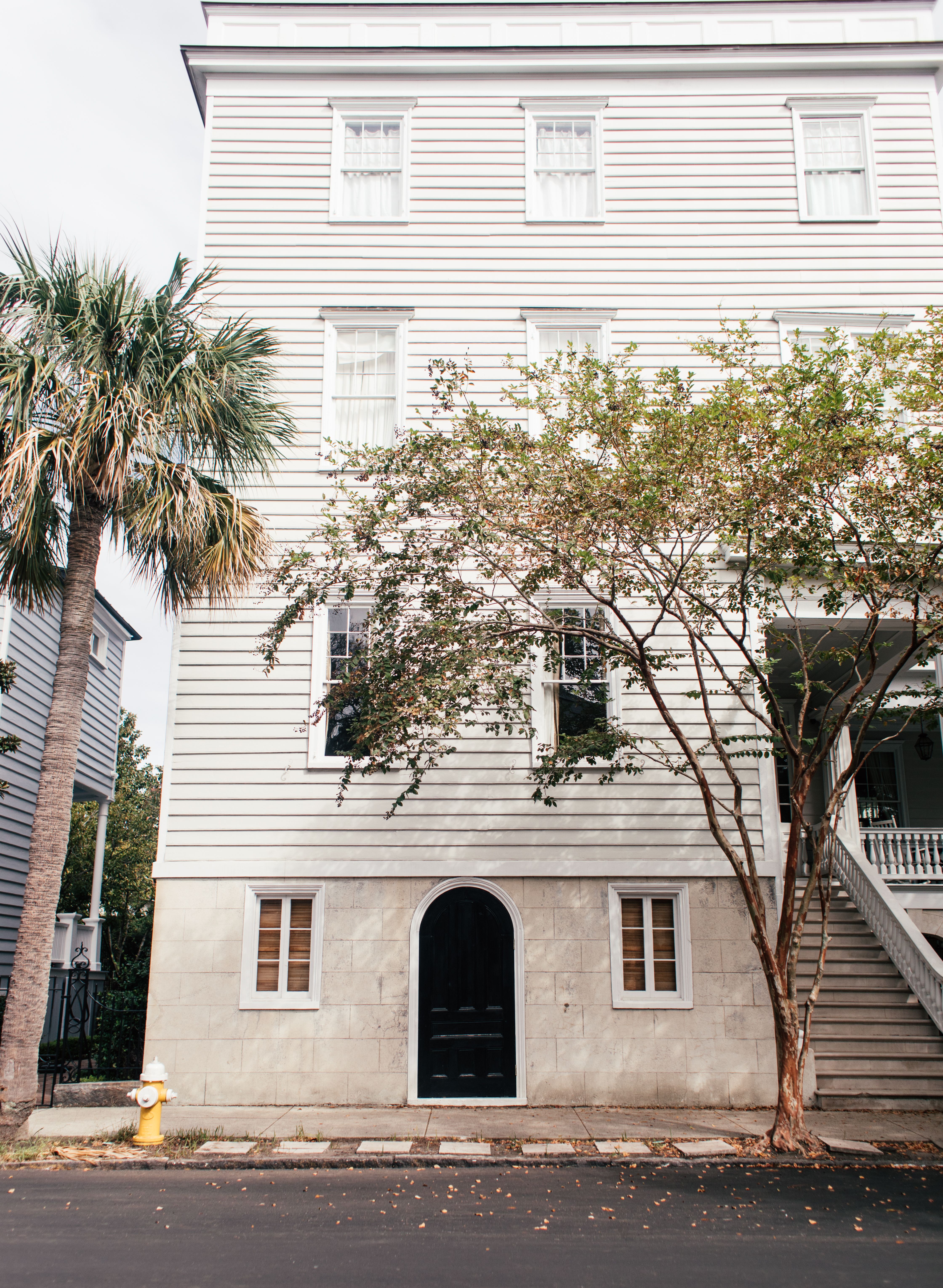
Charleston's most iconic real estate asset isn't a neighborhood—it's an architectural type. The single house, with its distinctive narrow street-facing frontage, side piazza, and multi-story footprint, defines downtown Charleston 29401/29403 and is one of the first things relocating buyers notice. But single houses confuse out-of-state buyers because they look nothing like the houses they came from. Leah Beaulieu and BJ Rodgers with Coast2Coast Properties see this confusion frequently—buyers fall in love with a single house's charm, then don't understand why it costs $2.5+ million, why it's only 16 feet wide, or why every renovation requires city approval. Understanding Charleston's single house is essential to understanding the city.
The Short Answer
- Single houses are Charleston-iconic: narrow street-facing frontage (typically 16–20 feet wide), 2–4 stories, with a side piazza (open porch) running the length
- The design evolved to maximize property value on Charleston's high-priced downtown lots—narrow footprint = more lots per block
- South of Broad single houses median around $2.5 million (November 2025), with premium addresses exceeding $3.5 million
- Single houses sit on extremely tight lots—no side yard, limited privacy, street-facing living
- Every exterior change requires COA (Certificate of Appropriateness) approval from the Charleston Historic District Commission—windows, paint, shutters, repairs all need permission
- They appeal to buyers who love history, walkability, and architectural character—not buyers who prioritize private space or easy renovations
Why Single Houses Look This Way
Charleston's single-house design isn't accidental or nostalgic—it's the result of 18th-century urban economics. Downtown Charleston was built on a tight grid with extremely valuable lots. To maximize value, builders constructed narrow street-facing homes with deep lots running back from the street. The side piazza became the outdoor living space—turned perpendicular to the street, it caught ocean breezes and provided cooling ventilation before air conditioning.
The result: more homes per block, deep lots for servants' quarters or carriage houses out back, and outdoor cooling that worked with Charleston's brutal humidity. The design was pragmatic, and it became iconic. Today, single houses command 30-50% premiums over conventionally-designed homes in downtown Charleston 29401/29403, not because they're bigger (they're often smaller), but because they're rare, historic, and architecturally beloved.
Buyers relocating from suburban lots instantly feel the constraint: a single house on a 20-foot lot is cramped compared to a suburban home on a quarter-acre. But downtown single-house buyers prioritize walkable neighborhoods, historic character, and the intimacy of dense urban living over square footage.
Inside a Single House: What the Layout Actually Feels Like
A typical single house is 16–22 feet wide and 2–4 stories tall, running 40–50+ feet deep. Street-level often has a front door opening directly onto the sidewalk, immediately into a parlor or living room (no foyer, no buffer from street noise). A central hallway runs toward the back, with rooms on either side—formal parlor upfront, dining and kitchen toward the rear.
The piazza—the side porch running most of the house's length—is the heart of the home. In summer, it's where you live; it catches breezes and provides outdoor space without leaving the property. Many single houses have piazzas stacked on multiple levels, creating outdoor rooms.
Upper stories follow the same narrow configuration—bedrooms typically cramped by modern standards but adequate by historic measures. Top floors are often carved into guest quarters or servants' spaces (now called "carriage houses" when detached). Bathrooms are retrofitted into closets or added onto piazzas—most single houses didn't have en-suites or multiple baths originally.
The feel: romantic, historic, intimate—but tight. If you're coming from a suburban home with a master bedroom, a separate guest room, a mudroom, and a pantry, a single house will feel cramped. Single-house buyers accept this trade-off consciously.
The Premium: Why South of Broad Single Houses Cost $2.5M+
South of Broad single houses median around $2.5 million (November 2025 data), with many exceeding $3.5 million. The premium reflects several factors. First, location: South of Broad is the most prestigious address in Charleston—Battery Park views, proximity to Rainbow Row, the historic heart of the city. Second, rarity: not many single houses sell annually, and most buyers are upsizing from other properties or downsizing from larger homes, so demand exceeds supply. Third, size and condition: the finest single houses (often 3,000+ sq. ft. after renovation) with multiple fireplaces, original architectural details, and professional renovations command the highest premiums.
In comparison, single houses in less-prime downtown areas like Ansonborough or lower King Street 29401/29403 run $1.2 million to $2 million. The price-per-square-foot in South of Broad exceeds $1,050 per square foot, among the highest in the Southeast for residential property.
Buyers new to Charleston are often shocked: "Why does a 2,000-square-foot single house cost $2.5 million?" The answer is location, rarity, and architectural prestige—not size.
How Single Houses Differ From Conventional Homes
A conventional suburban home at $2.5 million might be 5,000+ square feet on a quarter-acre lot, with multiple garage spaces, a large backyard, and minimal restrictions on exterior changes. That same budget for a downtown Charleston single house gets you 2,000–3,000 square feet on a 20-foot lot, street-facing windows, zero backyard, and strict COA requirements for any visible changes (including paint color).
If you value private outdoor space, conventional floor plans, or freedom to renovate, a single house is frustrating. If you value walkability, historic character, and the energy of dense urban neighborhoods, it's perfect. The choice comes down to lifestyle priorities, not quality or price.
Single houses also come with unique challenges: narrow stairs, low ceilings in old buildings, structural quirks (walls that aren't perfectly plumb, floors that aren't level), and mechanical systems that are often decades old and require specialized trades. Contractors familiar with historic home work charge premiums—they should, given the skill required.
Renovations: The COA Gauntlet
Here's where single-house ownership gets complicated: every visible exterior change requires COA (Certificate of Appropriateness) approval from the Charleston Historic District Commission. Paint color, window replacement, shutter installation, roof repairs, gutter work, addition of air conditioning units—all need approval. Interior renovations are usually unrestricted, but anything affecting the street-facing elevation requires documentation and approval.
The COA process typically takes 4–8 weeks. Occasionally, the commission denies requests outright (e.g., "you can't install a modern window in a historic opening"). More often, it imposes conditions ("windows must match the original 12-over-12 pane configuration, or we'll require exterior wood shutters").
For a buyer planning major renovations, this is a serious constraint. One buyer purchased a 1920s single house, planned to add central air conditioning, and discovered she'd need to hide outdoor units and couldn't install them on the street-facing elevation—forcing expensive placement on the rear piazza. Contractors estimate COA-required custom work adds 15–30% to renovation costs.
Experienced downtown renovation firms expect this and budget accordingly. New contractors downtown often underestimate COA requirements and fail to deliver. Before renovating a historic single house, verify your contractor understands COA requirements and has worked with the commission.
The Biggest Mistake Buyers Make With Single Houses
Buyers see a charming single house, fall in love with the piazza and history, then underestimate renovation complexity and costs. They expect to gut-renovate like a modern suburban home—pull out plaster, run new electrical, add bathrooms. But single-house renovations run 60% labor and 40% materials (compared to 55/45 on new construction), with change orders averaging 10–15% of total cost (compared to 5–8% on new builds). Contingencies need to be 7–10%, not 3–6%.
The other mistake: buying a South of Broad single house expecting it to function like a single-family suburban home. It doesn't. You have no private backyard, neighbors are 10 feet away, street noise is constant, and off-street parking is a game. If you're expecting privacy and quiet, don't buy a single house in one of the most walkable, densest neighborhoods in the Southeast.
A Realistic Example
Michael, a 60-year-old executive from Atlanta, sold a 6,000-square-foot home to relocate to Charleston. He loved South of Broad's walking lifestyle and found a 1870s single house for $2.2 million—"charming, original hardwoods, piazzas, a gem."
He budgeted $400,000 for renovation—new kitchen, master bath, HVAC. His contractor (who'd never worked downtown) estimated "$350K, should be straightforward." Renovation began. The contractor hit structural issues (original timber framing required custom reinforcement), encountered plaster walls (lead paint remediation required), and proposed new windows that the COA rejected (requiring expensive period-accurate replacements). By month six, he was $700,000 in and three months behind schedule.
Michael learned the lesson that many do: historic Charleston single houses are complex, require specialized expertise, and rarely renovate on budget or schedule. He eventually sold the property mid-renovation to a developer who understood the market. That buyer completed it for $1.2 million more than budgeted—but knew going in that was possible.
So What—Charleston Single Houses?
Single houses are the soul of Charleston's real estate identity and the source of endless buyer confusion. Here's what matters:
- You're not buying square footage; you're buying a rare, historic, walkable address and the prestige that comes with it
- South of Broad single houses are investment-grade properties in the most exclusive address in Charleston—median $2.5M and holding value
- Renovating is complex: budget 60% labor, expect 10-15% change orders, and assume 7-10% contingencies; hire contractors who understand historic work
- Every visible exterior change requires COA approval (4-8 weeks typically)
- Single-house living is dense urban living—no private yard, street noise, neighbors close—appeal to walkability and neighborhood over privacy
- If you value privacy, square footage, and renovation freedom, single-house ownership is frustrating. If you value historic character and urban energy, it's perfect.
FAQ: Charleston Single Houses
Why are single houses so narrow?
18th-century Charleston developers maximized property value on downtown's expensive lots by narrowing the street-facing frontage (typically 16–22 feet) and extending the house deep into the lot (40–50+ feet). This design fit more homes per block and used the side piazza for outdoor living and ventilation. It worked financially then; it's iconic now.
What's a piazza?
A piazza is an open-sided porch running the length of the house, typically on the side. It's the primary outdoor living space in a single house—it catches breezes, provides cooling ventilation, and became the heart of Charleston residential design. Modern single-house buyers fight over which piazza level has the best breeze.
Can I renovate a single house?
Yes, but anything affecting the exterior requires COA approval (typically 4-8 weeks). Interior renovations are usually unrestricted. Budget for specialized contractors (they're pricier), expect 60% labor costs, and assume 7-10% contingency. Historic tax credits can offset up to 20% of certified renovation costs.
Why do single houses cost so much?
South of Broad single houses run $2.5M+ because of three factors: location (most exclusive address in Charleston), rarity (few sell annually), and prestige (iconic architecture). Price-per-square-foot exceeds $1,050—you're not paying for size, you're paying for address and exclusivity.
How do I know if single-house living is right for me?
Single houses appeal to buyers who love walkable neighborhoods, urban energy, and historic character—and who accept no private yard, street-facing living, and tight quarters as the trade-off. If you prioritize privacy, square footage, and renovation freedom, a single house will frustrate you. If you love the idea of walking to dinner and waking up with piazza breezes, it's worth the constraint.
What's the difference between a single house and a townhouse?
Single houses are Charleston-specific: narrow, street-facing, typically built pre-1900, with piazzas and original architectural details. Townhouses are generic multi-level homes, built anywhere, usually side-by-side, without the piazza design. Single houses are rarer, more valuable, and require COA approval for external changes.
Do single houses have good resale value?
Yes—especially in South of Broad. The limited supply and high demand mean single houses hold value well. They're considered investment-grade properties in the city. But resale depends on location, condition, and architectural integrity. A South of Broad single house in good condition is liquid; an unrenovated one in Ansonborough requires patience.
Final Answer
Charleston's single houses are the city's most iconic property type, but they're not for everyone. Narrow street-facing homes with side piazzas and dense urban living appeal to buyers prioritizing walkability and historic character over space and privacy. South of Broad single houses median around $2.5 million—a premium that reflects location, rarity, and prestige rather than size. Leah Beaulieu and BJ Rodgers with Coast2Coast Properties help buyers understand whether single-house living aligns with their priorities, and connect those who do with contractors and designers who understand the complexities of renovating Charleston's most beloved architectural type.
About Leah Beaulieu & BJ Rodgers — Coast2Coast Properties
Leah Beaulieu and BJ Rodgers are Charleston, South Carolina real estate professionals with Coast2Coast Properties, helping buyers compare neighborhoods, understand local market differences, and find the right fit across the Charleston area. Whether you are buying your first home, relocating to the Lowcountry, or looking for investment opportunities, Leah and BJ bring local knowledge, straight talk, and a genuine commitment to helping clients make smart decisions.
Coast2Coast Properties
www.coast2coastprop.com
843-697-1409 / 803-201-4259