Daniel Island Park: What Luxury Buyers Should Know
Daniel Island Park: What Luxury Buyers Should Know
Daniel Island Park isn't just a neighborhood—it's the planned-community answer to the question "What does a Charleston suburb look like if you could design it from scratch?" It's the difference between buying a house on Daniel Island (29492) and buying into the Daniel Island lifestyle. And that distinction matters.
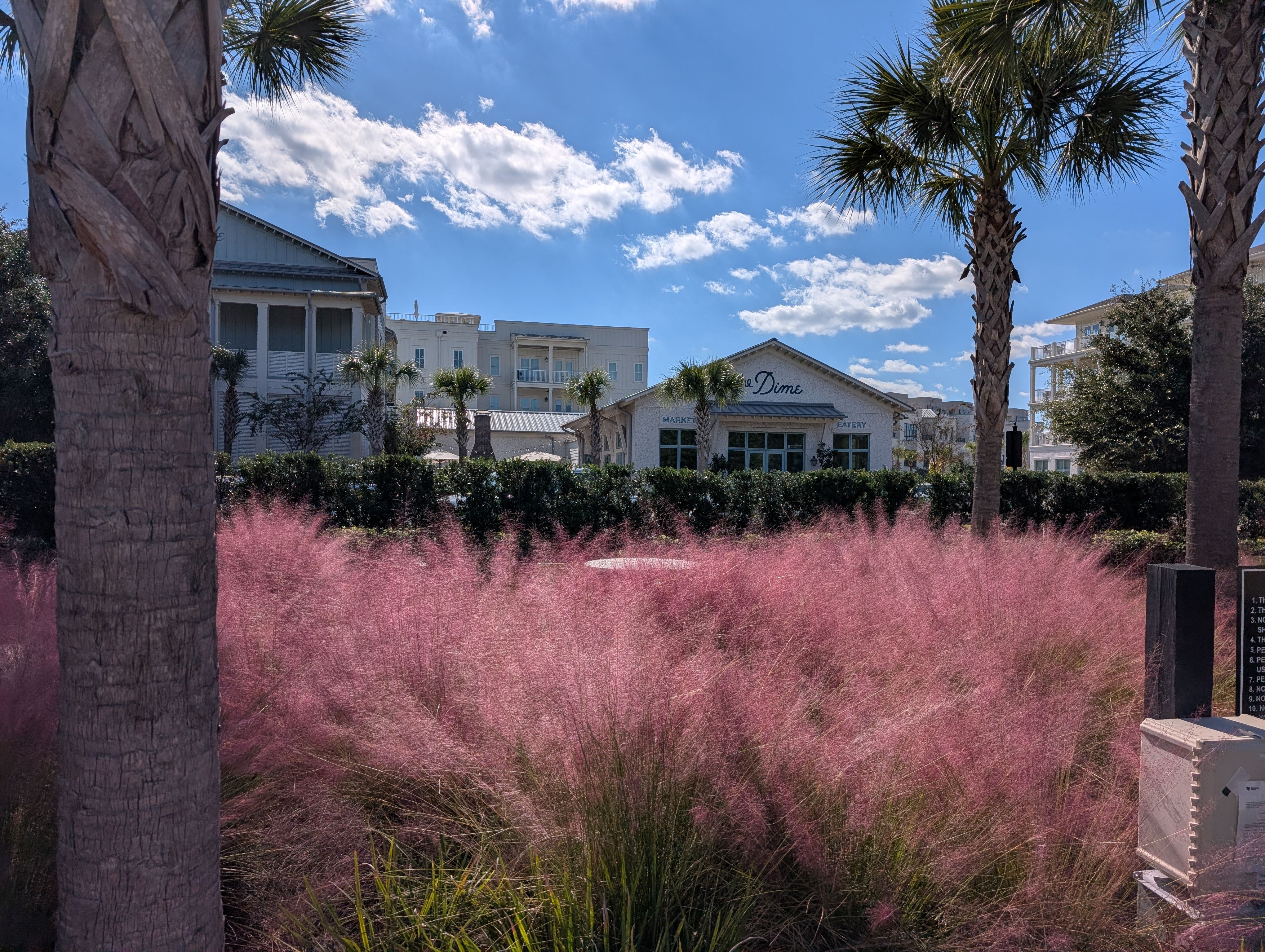
The Park sits at the island's heart: walkable town center with restaurants, shops, parks, and a genuine community feel that's rare in suburban development. For luxury families considering whether Daniel Island appeals to them, understanding Daniel Island Park—what it actually delivers versus what marketing suggests—is the essential starting point.
Leah Beaulieu and BJ Rodgers with Coast2Coast Properties help luxury buyers evaluate whether Daniel Island Park's walkable, community-focused lifestyle matches their reality.
The short answer
- Daniel Island Park is a town center, not a neighborhood. It's the commercial and public-space core of the island, with restaurants, retail, parks, and community gathering space designed to create "Main Street" walkability. Homes immediately surrounding the Park command premiums for this walkability.
- True walkability extends 10 minutes on foot. Daniel Island Park's restaurants, shops, and entertainment are genuinely walkable from homes in the Park neighborhood proper—but only from homes immediately adjacent (Park Avenue, Island Park Drive, Park Lane). Most of Daniel Island is still car-dependent despite proximity.
- Property values near the Park run 15–25% higher than comparable homes elsewhere on the island. Proximity to town center, dining, and parks justifies the premium, but only for buyers who actually use the walkability regularly.
- The Park's community culture is real and distinct. Weekly farmers markets, restaurant patios, community events, and outdoor recreation create neighborhood cohesion that scattered suburbs can't replicate. This appeals strongly to relocating families who valued urban walkability and want to keep it.
- Homes in Daniel Island Park command $1.8M–$3M+ pricing, placing them at the island's premium tier. You're not buying into Daniel Island's median $1.557M price—you're buying into the Park's curated lifestyle at a meaningful premium.
Why Daniel Island Park is marketed as "the heart of the island"
Daniel Island's master-planned structure means someone decided upfront: there will be a town center where walkability matters, where residents can leave their cars, where restaurants and shops cluster, and where community life concentrates. It's not organic growth. It's design.
That's both the Park's greatest strength and its reality check. It delivers genuine walkability—something most Charleston suburbs can't promise. Daniel Island Park developers invested in restaurants, retail, parks, and public gathering spaces to justify that promise. And it works for the 20–30% of the island who live close enough to walk.
For luxury buyers relocating from cities like Atlanta, Dallas, or Austin where walkable neighborhoods and dining culture were givens, Daniel Island Park's town center feels familiar. You can walk to coffee, dinner, shopping, and parks. Your kids can bike to restaurants. This is a selling point that resonates deeply with urban transplants tired of car-dependent suburbs.
The median price of $1.8M–$3M for homes in the Park reflects genuine demand from families who value this lifestyle enough to pay a premium for it. It's not cheap positioning—you're paying for proximity to an intentionally created gathering space.
What "walkable" actually means in Daniel Island Park
Here's where clarity matters: Daniel Island Park is walkable. But only from specific homes and only for specific destinations.
Homes directly surrounding the Park's restaurant and retail district—Park Avenue, Island Park Drive, Park Lane, and adjacent streets—are genuinely walkable to dining, shopping, and parks. A family living at Island Park Drive and Park Lane can walk to dinner, ice cream, coffee, and weekend farmers markets. That's real.
But homes just three blocks inland? You can technically walk it, but after a couple of trips on streets without sidewalks or with interrupted pedestrian infrastructure, most families use cars for the same destination. "Walkable" on paper becomes "actually, I'll drive" in practice.
Leah and BJ counsel buyers: "Walk the actual route from the homes you're considering to the restaurants and shops you want to access. Don't assume walkability—experience it at different times of day, in different weather, and with the lifestyle frequency that matches your reality. For some families, this walk is a huge lifestyle advantage. For others, it's a theoretical amenity you'll use twice a year."
Neighborhoods within Daniel Island Park and their distinct character
Daniel Island Park is marketed as one neighborhood but actually contains distinct sub-neighborhoods, each with different positioning and pricing.
Park Avenue homes (closest to town center restaurants and retail) sit in the most walkable microzone. These homes typically range $2.0M–$2.8M and appeal to families where daily restaurant access, walkable shopping, and town-center proximity are worth the premium. This is where you buy if the Park's walkability is central to why you chose Daniel Island.
Island Park Drive and Park Lane (immediately adjacent to parks and recreational areas) offer strong walkability to dining but sit slightly removed from the retail district. Pricing ranges $1.8M–$2.5M and attracts families who value park access and walkable recreation over constant restaurant proximity. These homes still feel "in the Park" but are one block further from Main Street.
Golf course adjacent neighborhoods (Ralston Creek, Founders Pointe) sit on the boundary between "Park walkability" and "golf community focus." Prices here range $1.9M–$3.5M depending on golf course views and exclusivity. These homes are marketed with Park proximity but function more as country-club neighborhoods—most daily life revolves around the Club, not the town center.
Outer Park neighborhoods (away from both town center and courses) offer lower premiums ($1.6M–$2.2M) for families who want the Daniel Island location but don't prioritize the Park's walkability. These are suburban in character and appeal to buyers seeking good schools and planned-community infrastructure over daily walkability.
The biggest mistake buyers make with Daniel Island Park
The mistake is confusing "walkable to restaurants" with "I'll actually walk there regularly."
Buyers tour the Park's town center on a Saturday afternoon, see families dining on patios, browse farmer-market booths, imagine themselves walking to dinner multiple times weekly, and decide they've found a Charleston approximation of urban living. Then they move in and realize that walking to dinner requires coordination, often takes as long as driving when you factor in crossing traffic and street networks, and gradually becomes the exception rather than the routine.
The second mistake is overestimating how much the Park's walkability spreads to the rest of Daniel Island. The Park is genuinely walkable. Daniel Island overall is not. Homes just a few blocks inland still require cars for daily living—school drop-offs, grocery shopping, most errands. You're buying a hybrid: a planned community where 20% of it is walkable and the rest functions like traditional suburbs.
The third mistake is not understanding that the Park's community culture is a feature you have to participate in to access. The farmers markets, restaurant patios, and community events are genuinely there—but they're not automatic. Families who work long hours downtown, have schedules that don't align with Park events, or simply prefer to entertain at home won't experience this "community" benefit that justified the premium price. For them, the walkability premium becomes a cost with no offset.
Leah and BJ note: "Daniel Island Park delivers on its promise, but only if your lifestyle aligns with what it's promising. If you're a family where daily restaurant access and weekend farmers markets matter, the premium makes sense. If those aren't part of your lifestyle, you're paying for amenities you won't use, and you'd be better off in outer Daniel Island neighborhoods."
A realistic example: A relocating urban family
Let's imagine a family relocating from Charlotte to Charleston. Both parents work downtown, they have two kids (ages 8 and 12), and they absolutely valued walkable dining and neighborhood character in Charlotte—regular weekend walks to restaurants, neighborhood coffee culture, community feel. They see Daniel Island Park and think: "This is what we were looking for."
They find a $2.2M home on Island Park Drive—two blocks from restaurants and the Saturday farmers market. They're excited. Then they move in.
Reality: The walk to restaurants is genuinely walkable but takes 12 minutes and crosses three streets, one without a clear pedestrian crossing. They walk once, the kids complain it's too long, and family dinners shift back to car travel. The $2.2M home premium was partly justified by walkability they won't use regularly because the family's actual lifestyle—busy with school, work, and activities—doesn't support twice-weekly neighborhood walks.
Six months in, they realize the Park's community benefits (farmers market, community events, restaurant patios) require intentional participation, not just proximity. They haven't made friends yet because real neighborhood community takes sustained engagement. The walkability premium hasn't delivered the lifestyle upgrade they expected because their actual life doesn't match the aspirational version they imagined.
That said, the home is genuinely good and performs reliably. The family isn't unhappy—they just paid a premium for an aspirational lifestyle that doesn't fit their reality.
So what: Is Daniel Island Park the right fit for your luxury lifestyle?
Daniel Island Park is an excellent choice if you genuinely value daily walking access to restaurants, shops, and community gathering spaces. It's a poor choice if you're paying for walkability you won't actually use or expecting organic neighborhood community to happen automatically.
For luxury buyers:
- If urban walkability was essential to why you left your last city, and you're committed to maintaining that lifestyle, Daniel Island Park delivers. The premium price reflects genuine access to this lifestyle.
- If you work long hours, have kids on heavy activity schedules, or simply prefer car-based convenience, outer Daniel Island neighborhoods deliver the same planned-community benefits at lower price points without the walkability premium you won't use.
- If community-oriented events (farmers markets, restaurant patios, neighborhood gatherings) matter to your lifestyle, Daniel Island Park's curated culture is a genuine asset. If you're more introverted or prefer home-centered entertaining, these amenities add cost without benefit.
- If school quality and safe, planned-community infrastructure are your main priorities, Daniel Island works anywhere. The Park's location doesn't change school quality—it just adds town-center proximity (and the premium that comes with it).
- If you want Charleston's traditional neighborhood discovery and organic character, Daniel Island Park's designed-by-committee feel will frustrate you. It's walkable, but it's also intentional and controlled in ways traditional Charleston neighborhoods aren't.
The median $2.0M–$2.8M price for Park homes reflects legitimate buyer demand from relocating families who value exactly what the Park delivers. But it's not a value play—it's a lifestyle choice where you're explicitly paying for walkability and community design.
FAQ
Is Daniel Island Park actually walkable year-round?
Yes, but practicality varies by season. Summer heat and humidity make walking less appealing for most families; fall and spring are ideal. Winter is mild by northern standards and walkable. Most families who plan to walk regularly do most of their walking October through April, making "daily walkability" feel less routine than marketed.
Can you walk to grocery shopping from Daniel Island Park homes?
No. The Park lacks full-service grocery stores. There's a small natural foods market and specialty shops, but families still drive to Harris Teeter or other grocers. The walkability is limited to restaurants, coffee, and entertainment, not daily necessities—which limits true car-free living.
Do restaurants on Daniel Island Park's street have outdoor seating year-round?
Mostly yes, but weather-dependent. Patios operate all year but see heavy use October–April and lighter use (heat/humidity deterrent) June–September. The "walkable dining culture" is most robust fall through spring.
What's the difference between Daniel Island Park and Ralston Creek for luxury buyers?
Daniel Island Park prioritizes town center walkability and community culture. Ralston Creek prioritizes golf course proximity and newer construction. Park homes are $1.8M–$2.8M and walkable; Ralston Creek homes are $1.9M–$3.5M and golf-focused. Park appeals to urban-lifestyle transplants; Ralston Creek appeals to golf-centered families.
Do most Daniel Island Park residents actually use the town center regularly?
No, not as regularly as the marketing suggests. Families use it seasonally or for weekend activities, not daily. Many residents report they walk to the Park's restaurants and shops 2–4 times monthly, not weekly. This is still more than scattered suburbs offer, but it's not the daily walkable urban lifestyle some buyers imagine.
Are there HOA rules limiting exterior modifications in Daniel Island Park?
Yes, extensive ones. The Daniel Island HOA enforces design standards, landscaping rules, and architectural consistency. For buyers accustomed to independent decisions about paint color or landscaping, this can feel restrictive. Verify the specific covenants for homes you're considering.
What amenities are in the Daniel Island Park town center?
Restaurants (7–10 depending on what you count), coffee shops, ice cream, retail shops, parks, farmers market (Saturday mornings, seasonal), public gathering spaces, and community event venues. It's not a full downtown—no grocery, no large retail—but it's engineered for casual walkable lifestyle.
The final answer
Daniel Island Park represents a specific lifestyle choice: urban walkability delivered through planned-community design, with town-center proximity and community events creating daily life structure. At $1.8M–$3.0M, these homes command premiums that reflect genuine buyer demand from relocating families seeking walkable neighborhoods within a planned-community framework.
For families who valued urban walkability in their previous city and are committed to maintaining that lifestyle, Daniel Island Park delivers exactly what it promises—access to restaurants, shops, and parks without car dependency for daily leisure. For families who are choosing walkability aspirationally but whose actual schedules and lifestyles don't support sustained walking, the premium becomes a cost without meaningful benefit.
Leah Beaulieu and BJ Rodgers with Coast2Coast Properties help luxury families distinguish between aspirational and actual lifestyle needs, ensuring that the Park's premium price reflects real value rather than a lifestyle that looks good in marketing but doesn't align with how you actually live.
The question isn't whether Daniel Island Park is good—it's whether the walkable, community-oriented lifestyle at the premium price matches your reality, not your aspirations.
About Leah Beaulieu & BJ Rodgers — Coast2Coast Properties
Leah Beaulieu and BJ Rodgers are Charleston, South Carolina real estate professionals with Coast2Coast Properties, helping buyers compare neighborhoods, understand local market differences, and find the right fit across the Charleston area. Whether you are buying your first home, relocating to the Lowcountry, or looking for investment opportunities, Leah and BJ bring local knowledge, straight talk, and a genuine commitment to helping clients make smart decisions.
Coast2Coast Properties
www.coast2coastprop.com
843-697-1409 / 803-201-4259