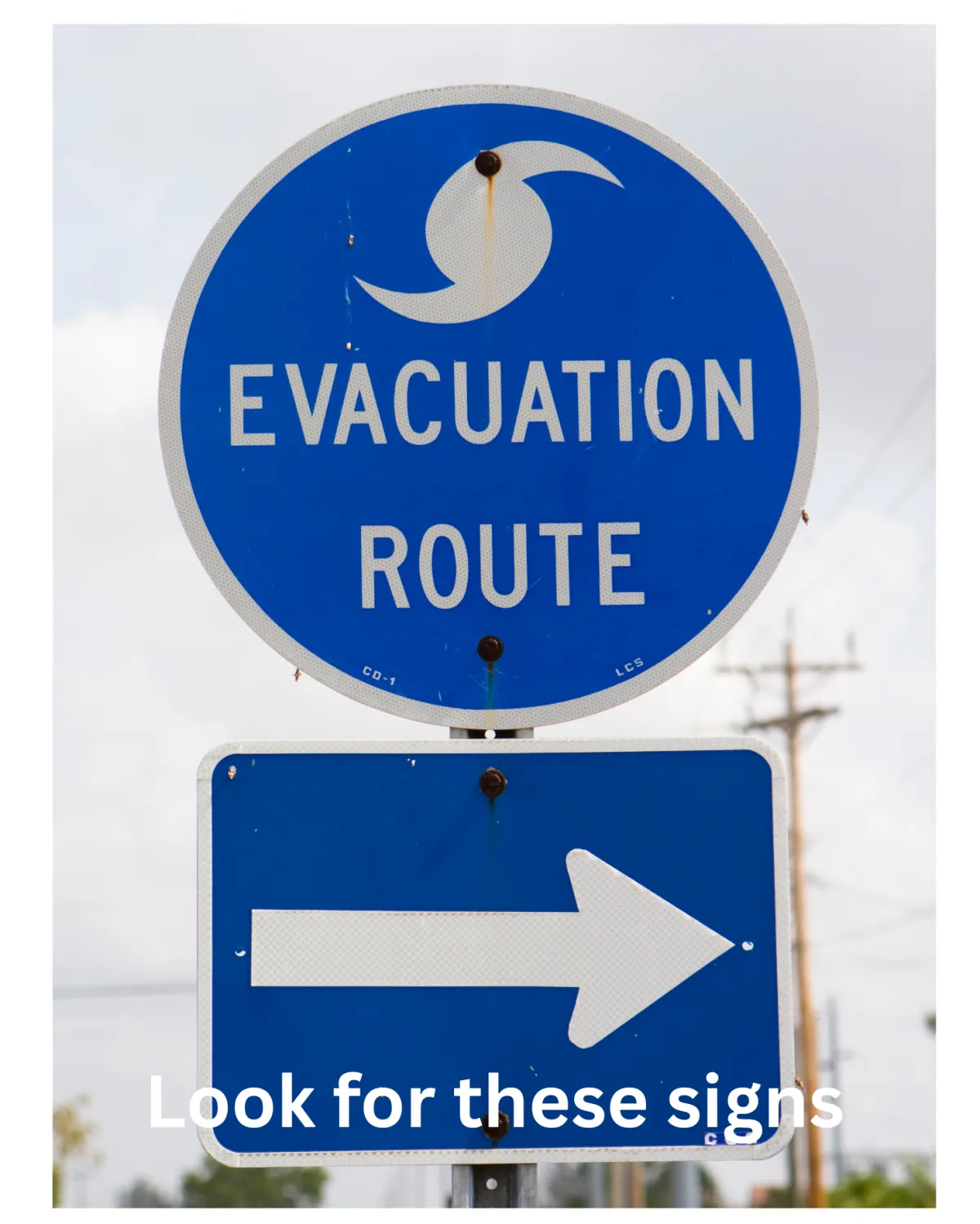
Do You Have to Evacuate Charleston During a Hurricane?
Do You Have to Evacuate Charleston During a Hurricane?
The answer is: it depends on where you live, how strong the hurricane is, and what the official evacuation orders say. Not everyone evacuates during every hurricane. Charleston residents in Zone C and beyond can typically safely stay through most storms. Residents in the barrier islands (Zone A) almost always evacuate. The decision is driven by the combination of your location, elevation, proximity to water, and the specific forecast track and intensity of each storm. Leah Beaulieu and BJ Rodgers with Coast2Coast Properties help buyers understand these risk categories when they are evaluating neighborhoods and deciding where to buy in the Charleston area.
This guide walks through who evacuates, who can stay, and how to make that decision responsibly.
The Short Answer
- Zone A (barrier islands, beachfront): Almost always evacuates, regardless of storm strength
- Zone B (coastal low areas, parts of downtown Charleston): Evacuates for strong storms (Category 2+), may stay for weaker storms depending on your specific property elevation
- Zone C and beyond (more inland, higher elevation): Most residents stay through all storms; evacuation is recommended only for weaker or off-center storms, depending on elevation and building quality
- Your decision: Even if your zone is not ordered to evacuate, you can choose to leave if you feel unsafe
- Safety first: If you have any doubt about your home's ability to withstand a strong hurricane, evacuate. Your life is more valuable than your property.
Understanding SC Evacuation Zones
South Carolina uses a lettered evacuation zone system. Zone A is the highest priority and includes the most exposed properties. Each subsequent zone (B, C, D, E, F) is progressively less storm-exposed.
Zone A — Always evacuate:
Zone A includes the barrier islands and beachfront: Isle of Palms 29451, Sullivan's Island 29482, Folly Beach 29439, and other beachfront properties across Charleston County. These properties are at risk of storm surge, inundation, and wind exposure even from a weak Category 1 hurricane.
Residents in Zone A are given evacuation orders 48–72 hours before a storm makes landfall, even for weak storms. The professional guidance from SCEMD is to follow that order without waiting to see how the forecast develops. When an order is issued for Zone A, evacuation is effectively mandatory — staying is not considered safe.
Zone B — Evaluate your home and the storm:
Zone B includes parts of the Charleston peninsula, low-lying areas of James Island 29412 near the water, and other low-elevation coastal areas. Zone B evacuation orders are issued for stronger storms (typically Category 2 and above), depending on the storm's track and expected surge height.
Zone B is the decision zone. If your Zone B home is elevated on pilings (built on a modern code structure), you may be able to safely shelter in place during a Category 1 or weak Category 2 if your home has other protections: hurricane straps, impact-resistant windows, a well-maintained roof, and a backup generator. If your home is on a concrete slab at ground level, or if it was built before modern hurricane codes, staying through a strong storm is riskier.
Zone C and beyond — Most residents stay:
Zone C and zones beyond (D, E, F) include more inland and higher-elevation areas across Charleston County, Dorchester County (Summerville 29483), and Berkeley County (Goose Creek 29445). These areas are at lower risk of storm surge and wind exposure, especially if the property is elevated or built on higher ground.
Most residents in Zone C do not evacuate for any named storm. Evacuation for Zone C is not typical. Residents in Zones D, E, and F almost never receive evacuation orders.
The Reality: Most Coastal Residents Don't Stay
Despite the ability of some Zone B residents to safely shelter in place, the reality in the Charleston area is that most residents with any water proximity evacuate when ordered. Even among Zone B residents whose homes are well-protected, many choose to leave because:
- Riding out a strong hurricane is stressful, even in a safe home. Power outages, lack of services, and isolation for days after the storm create unpleasant conditions.
- Unknown damage becomes apparent only after the storm passes. A window you thought was secure may fail; a roof section you believed was solid may start to leak. Staying means dealing with that risk in real-time.
- If something goes wrong — a tree falls, a window fails, flooding occurs — emergency services are often not available until after the storm passes. You are on your own.
The narrative of "riding out the hurricane" is mostly a story told after the fact by people in well-prepared homes who did not evacuate. Most people with the ability to leave do leave.
When Evacuation Orders Are Issued
Official evacuation orders come from South Carolina Emergency Management Division (SCEMD) and are issued per evacuation zone. The timing depends on the storm's track and intensity.
For a strong hurricane on a direct track toward Charleston:
- Zone A evacuation order: 48–72 hours before projected landfall
- Zone B evacuation order: 24–48 hours before projected landfall, depending on forecast surge height
- Zone C evacuation order: Not typical; issued only for unusually strong storms (Category 4+) or with an unexpected track shift
For a weaker storm or one tracking away from Charleston:
- Zone A evacuation may still be issued as a precaution
- Zone B may receive a voluntary evacuation suggestion rather than a mandatory order
- Zone C is not affected
Evacuation orders are issued via SCEMD, local emergency management, and through alerts to your phone (if you have signed up for SC Emergency Alerts). They specify which zones are ordered to evacuate and the deadline.
The Biggest Mistake: Waiting to Evacuate
The biggest mistake residents make is waiting until evacuation is ordered to decide whether to go. By the time orders are issued, traffic out of Charleston is heavy, hotels inland are booked, gas stations are crowded, and decision-making ability is compromised by stress and limited time.
The people who evacuate most calmly are those who decided in advance: "If the forecast is a Category 3 headed straight toward us, we leave. If our zone gets a mandatory order, we leave. If we get a warning from SCEMD, we leave." With that decision made before the storm is a threat, the action of evacuating becomes straightforward and calm rather than a last-minute scramble.
When You Can Safely Stay
If you are in Zone C or beyond, and your home meets these criteria, staying is typically safe:
Home characteristics:
- Built after 2000 (meets modern hurricane code)
- Elevated or on higher ground (not at ground level in a flood-prone area)
- Hurricane straps or roof-to-wall connections verified
- Well-maintained roof (less than 15 years old with quality fasteners)
- Impact-resistant or shuttered windows
- Backup power (generator) for extended outages
- Well-stocked supplies for 7+ days
Location characteristics:
- Zone C or beyond
- Not in a FEMA flood zone
- Not near a creek, river, or pond that floods with storm surge
- Not near large trees or in an area prone to wind exposure
If your home meets these criteria and your zone is not ordered to evacuate, you likely can safely stay. The reality is that even well-protected homes experience stress from power loss, water intrusion, and damage discovery. The emotional and practical toll of staying can outweigh the safety advantage.
The "Better Safe Than Sorry" Rule
Even if your zone is not ordered to evacuate and your home meets all safety criteria, you have the right to leave. Evacuation is not just about physical safety — it is also about peace of mind. If you feel unsafe, if staying makes you anxious, or if you simply prefer to be with family elsewhere, you can choose to evacuate even without an order.
The worst-case scenario is staying in a home you do not feel confident in, discovering damage mid-storm, and being unable to get help. Evacuation removes that risk entirely.
A Realistic Example
A couple owns a home on James Island 29412, which is in Zone B. The home was built in 1995, is at ground level in a FEMA AE flood zone, and has not had recent structural upgrades.
A Category 2 hurricane is forecast to make landfall near Charleston. Zone B evacuation is ordered. The couple's decision is straightforward: they evacuate. The order exists because their zone and storm intensity combination carry unacceptable risk. Staying would mean gambling with their safety.
Compare this to another couple with a well-built, elevated home on James Island 29412, also in Zone B. A Category 1 is forecast. No Zone B evacuation is ordered. The couple has supplies, a generator, and confidence in their home. They decide to stay. Power goes out for three days, but the house weathered the storm well. They experienced the stress of waiting out the storm and dealing with no power, but they stayed safely.
A third couple also in Zone B, also well-protected, decides to evacuate to family out of state when the Category 1 is forecast, even though no Zone B order was issued. They miss the stress of the storm entirely, return to minimal damage when they get home a few days later, and never question their decision. Their perspective: "Why stay through the stress if we can leave and be comfortable?"
All three couples were safe. But their experiences were different, and their emotional responses to staying versus leaving shaped whether they would make the same choice in future storms.
Summary: Who Evacuates and Who Stays
- Zone A: Almost always evacuates for all named storms
- Zone B: Evacuates when ordered (usually Category 2+ on direct track); some well-protected residents may stay for weaker storms with evacuation experience and confidence
- Zone C+: Most residents stay through all storms; evacuation is rare and typically reserved for unusual circumstances
- Personal choice: Even without an evacuation order, residents can choose to leave if they feel unsafe
The decision should be based on your home's structural condition, your zone, the specific storm forecast, and your comfort level. When in doubt, evacuate. Your safety matters more than property.
FAQ
Do I have to evacuate if my zone is not ordered?
No. Evacuation orders are guidelines for highest-risk areas. If your zone is not ordered but you feel unsafe or uncomfortable, you can choose to evacuate. Your personal safety assessment is valid.
What if I ignore an evacuation order for my zone?
Officially, residents are expected to follow evacuation orders when issued. Ignoring an order means emergency services may not be able to help you during the storm. Law enforcement or emergency officials can mandate evacuation in life-threatening conditions, but generally evacuation is voluntary unless you are in a life-threatening situation. The emphasis is on personal responsibility and following professional guidance.
How do I know my Zone?
Check your property's evacuation zone at hurricane.sc.gov. Enter your address and you will see whether you are in Zone A, B, C, or beyond. This is the most accurate way to know.
Can I stay in a Zone B home if it is well-built?
Possibly, yes. If your Zone B home is elevated, built after 2000, has hurricane straps verified, and has other modern protections, you may be able to safely shelter in place during a weaker storm (Category 1 or weak Category 2) if no evacuation order is issued. However, staying still carries the stress and risk of dealing with damage or power loss in real-time. Most residents with the ability to leave choose to do so anyway.
What if an evacuation order is issued but I feel my home is safe?
Evacuation orders are issued by professionals assessing zone-wide risk and expected conditions. If your zone is ordered to evacuate, the professional guidance is to follow that order. If you believe your home is exceptionally well-protected, you can petition for special permission to shelter in place through local emergency management, but typically the safest course is to follow the order.
Final Answer
Whether you evacuate during a hurricane depends on your zone, your home's condition, and the specific storm. Residents in the barrier islands (Zone A) almost always evacuate. Residents in low-lying coastal areas (Zone B) evacuate when ordered, which is typically for stronger storms. Residents in more inland areas (Zone C+) rarely evacuate. Even without an evacuation order, you have the right to leave if you feel unsafe. The goal is to make a calm, informed decision in advance of the storm, not a stressed, last-minute one.
Leah Beaulieu and BJ Rodgers with Coast2Coast Properties help buyers understand these evacuation zones and structural risk factors when purchasing a home in the Charleston area. If you are considering a home purchase and want to understand the evacuation zone, expected conditions in a major storm, and structural protections your potential home has, reach out to discuss before you make an offer.
About Leah Beaulieu & BJ Rodgers — Coast2Coast Properties
Leah Beaulieu and BJ Rodgers are Charleston, South Carolina real estate professionals with Coast2Coast Properties, helping buyers compare neighborhoods, understand local market differences, and find the right fit across the Charleston area. Whether you are buying your first home, relocating to the Lowcountry, or looking for investment opportunities, Leah and BJ bring local knowledge, straight talk, and a genuine commitment to helping clients make smart decisions.
Coast2Coast Properties
www.coast2coastprop.com
843-697-1409 / 803-201-4259