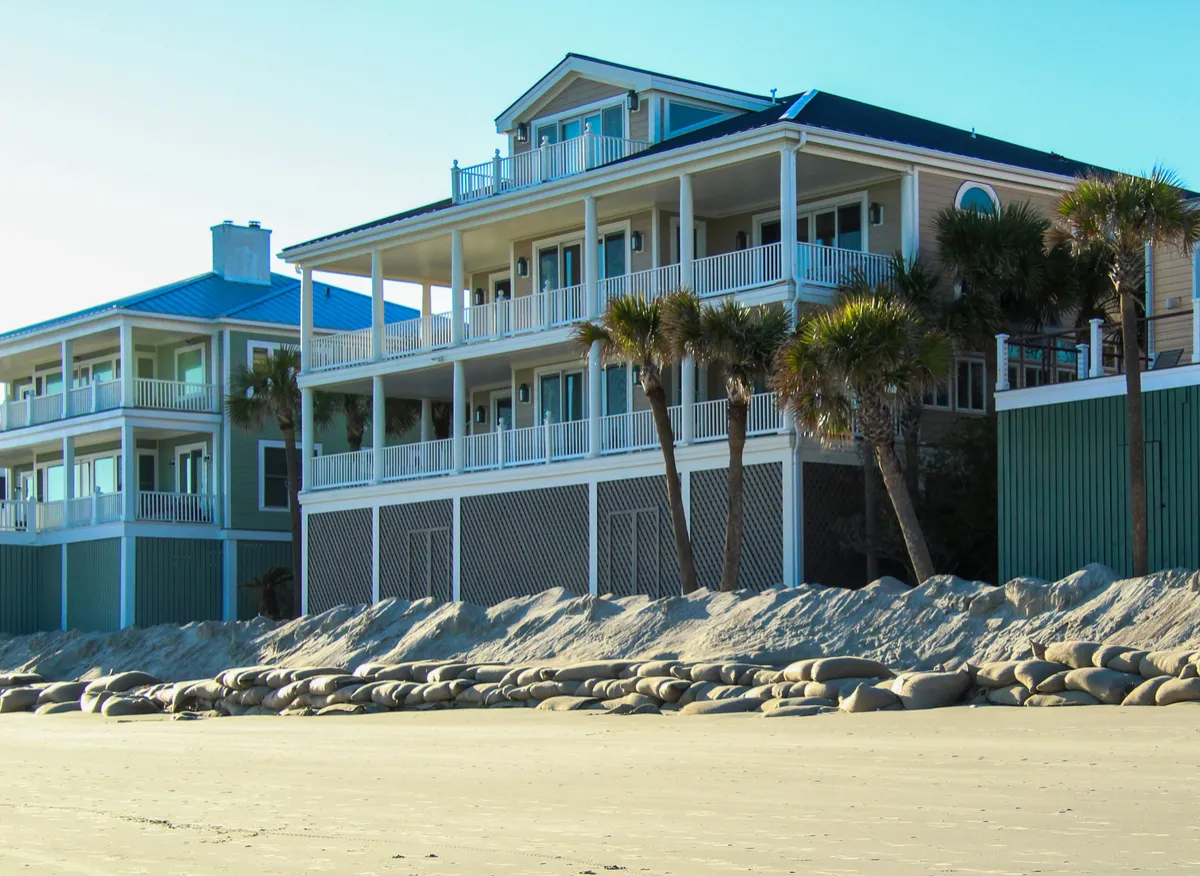
Full-Time Living vs. Vacation-Home Living on Isle of Palms
Full-Time Living vs. Vacation-Home Living on Isle of Palms
Isle of Palms (29451) supports both full-time residents and seasonal owners, but the two groups live with very different costs and routines. Leah Beaulieu and BJ Rodgers of Coast2Coast Properties explain how year-round living compares with vacation-home ownership, so you can decide which one fits your budget and your life.
The short answer
- Full-time residents get the 4% South Carolina property tax assessment on a primary residence. Second homes and rentals are assessed at 6%.
- Summer brings crowds, traffic and parking pressure. Fall, winter and spring are quiet and many residents prefer them.
- Some seasonal businesses cut hours off-season, but the island and nearby Mount Pleasant have year-round groceries, medical care and restaurants.
- Vacation-home owners can offset costs with rentals, but they need a City of Isle of Palms short-term rental license and a plan for management.
- Insurance, flood zone and storm preparation cost the same either way. Full-time residents are home to handle them.
- The right choice depends on how many weeks you will use the home and what you want your days to look like.
What is full-time living on Isle of Palms really like?
Full-time residents live in a small beach town about 25 to 30 minutes from downtown Charleston. The pace is slow outside summer. Beach walks, biking and boating are part of ordinary life. Groceries, medical care and schools are a short drive away in Mount Pleasant (29464 and 29466) via the Isle of Palms Connector. Residents learn the rhythms: when to run errands before the weekend crowd arrives, which roads flood in heavy rain and how to plan for storms.
What changes in summer?
From Memorial Day through Labor Day, visitors fill the beaches, Front Beach and the parking areas. Traffic backs up on the connector on weekends, and some residents avoid the beach on peak days. Year-round owners often say the island feels like a different place in October and April. If you can live with a busy summer and enjoy a quiet rest of the year, full-time living works well. If you dislike crowds, a house in a gated or quieter section such as Wild Dunes may help, though not entirely.
Do services shut down in the off-season?
Some do. A few seasonal restaurants and shops reduce hours or close for part of the winter, and the island is small, so choices are fewer than in Mount Pleasant. Full-time residents rely on Mount Pleasant and the surrounding area for most shopping and services. Confirm hours and availability when you visit in the off-season, not just in July.
How do the costs compare?
The tax difference is the first item. South Carolina assesses a legal-residence home at 4% and a second home or rental at 6%, so a full-time resident with the Legal Residence application on file pays less on the same value. Insurance is similar either way, although a vacant home may have different requirements. Vacation-home owners add property management, cleaning, utilities for an empty house and travel costs. Full-time owners pay everyday living costs on an island, including groceries and commuting. (Verify current tax and assessment rules with the Charleston County Assessor before publishing.)
Can rental income pay for a vacation home?
Sometimes, but rarely in full. Owners who rent need a City of Isle of Palms short-term rental license, must follow occupancy rules and may face additional limits in Wild Dunes or an HOA. Gross rental income looks large, but management fees, cleaning, taxes, insurance, dues and vacancy reduce it. Treat rent as an offset, not a guarantee. Ask for the actual booking history for the property.
How does storm and flood risk affect each lifestyle?
The risk is the same. The difference is who handles it. Full-time residents are present to shutter, evacuate and return, and they see problems early. Vacation owners rely on a property manager or neighbor to check the house after a storm and need a plan for evacuation orders and repairs. Get flood and wind quotes before you buy, and ask about the elevation certificate.
Which makes more sense financially?
That depends on your time. If you will use the home a few weeks a year, renting a comparable place may cost less than owning one, especially at island prices. If you will be there most of the year, owning gives you the lower tax rate, control and stability. A hybrid works for some buyers: start as a vacation owner, then move in full time at retirement. Buying a place that works for both, with low maintenance and a flexible layout, keeps the option open.
The biggest mistake buyers make choosing between full-time and vacation use
The biggest mistake is buying for the vacation week and ignoring the other fifty weeks. A house that is perfect in July can feel isolated in January, and a quiet retirement spot can feel too busy in the summer. Visit in the off-season, and again in peak summer, before you buy. Notice the traffic, the quiet and the services around you.
A realistic example
A retired couple from Ohio first rents on Isle of Palms for a week each June. They like the beach and decide to buy a three-bedroom house near Front Beach as a vacation home. After two seasons they realize they are spending more than four months a year there and enjoy the quiet fall. They file the Legal Residence application, reduce their rental use and move in full time, taking advantage of the lower tax rate.
A friend with a similar house uses it six weeks a year, rents it the rest and treats it as a lifestyle purchase. Both make it work because they matched the plan to how they live.
So is Isle of Palms better for full-time living or a vacation home?
- Full-time if you enjoy a small beach town, can handle summer crowds and want the lower tax rate
- Vacation home if you will use it a few weeks a year and can plan for management and storms
- Either one if you budget for the real costs and visit in more than one season
Frequently asked questions
Can you live on Isle of Palms year-round?
Yes. Many residents do. The island has year-round neighborhoods, and Mount Pleasant provides groceries, medical care and schools within a short drive.
Is Isle of Palms crowded in the summer?
Yes, especially on weekends from Memorial Day to Labor Day. Beaches, parking and the connector get busy. The rest of the year is much quieter.
How much are property taxes on a second home in South Carolina?
Second homes and rentals are assessed at 6% of market value. A primary residence qualifies for 4% with a Legal Residence application. Confirm with the Charleston County Assessor.
Can I rent my Isle of Palms home when I am not there?
Yes, with a City of Isle of Palms short-term rental license and compliance with occupancy and HOA rules. Wild Dunes has additional rules.
Are there year-round restaurants and stores on the island?
Yes, some. Seasonal businesses may cut hours in winter, and many residents shop and eat in Mount Pleasant as well.
Is it cheaper to own or rent a vacation place on Isle of Palms?
If you use the home only a few weeks a year, renting may cost less than owning. Owning makes more sense if you will be there for months or want the long-term appreciation and control.
How far is Isle of Palms from Charleston International Airport?
About 30 minutes by car, depending on traffic. Downtown Charleston is about 25 to 30 minutes.
Final answer
Isle of Palms works as a full-time home or a vacation home, and the right answer depends on how many weeks you will use it and how you feel about summer crowds. Full-time owners get the lower tax rate and the quiet seasons. Vacation owners get a lifestyle purchase with optional rental income and more planning. Leah Beaulieu and BJ Rodgers of Coast2Coast Properties help buyers run the real numbers and visit in the right season before they commit.
About Leah Beaulieu & BJ Rodgers — Coast2Coast Properties
Leah Beaulieu and BJ Rodgers are Charleston, South Carolina real estate professionals with Coast2Coast Properties, helping buyers compare neighborhoods, understand local market differences, and find the right fit across the Charleston area. Whether you are buying your first home, relocating to the Lowcountry, or looking for investment opportunities, Leah and BJ bring local knowledge, straight talk, and a genuine commitment to helping clients make smart decisions.
Coast2Coast Properties
www.coast2coastprop.com
843-697-1409 / 803-201-4259