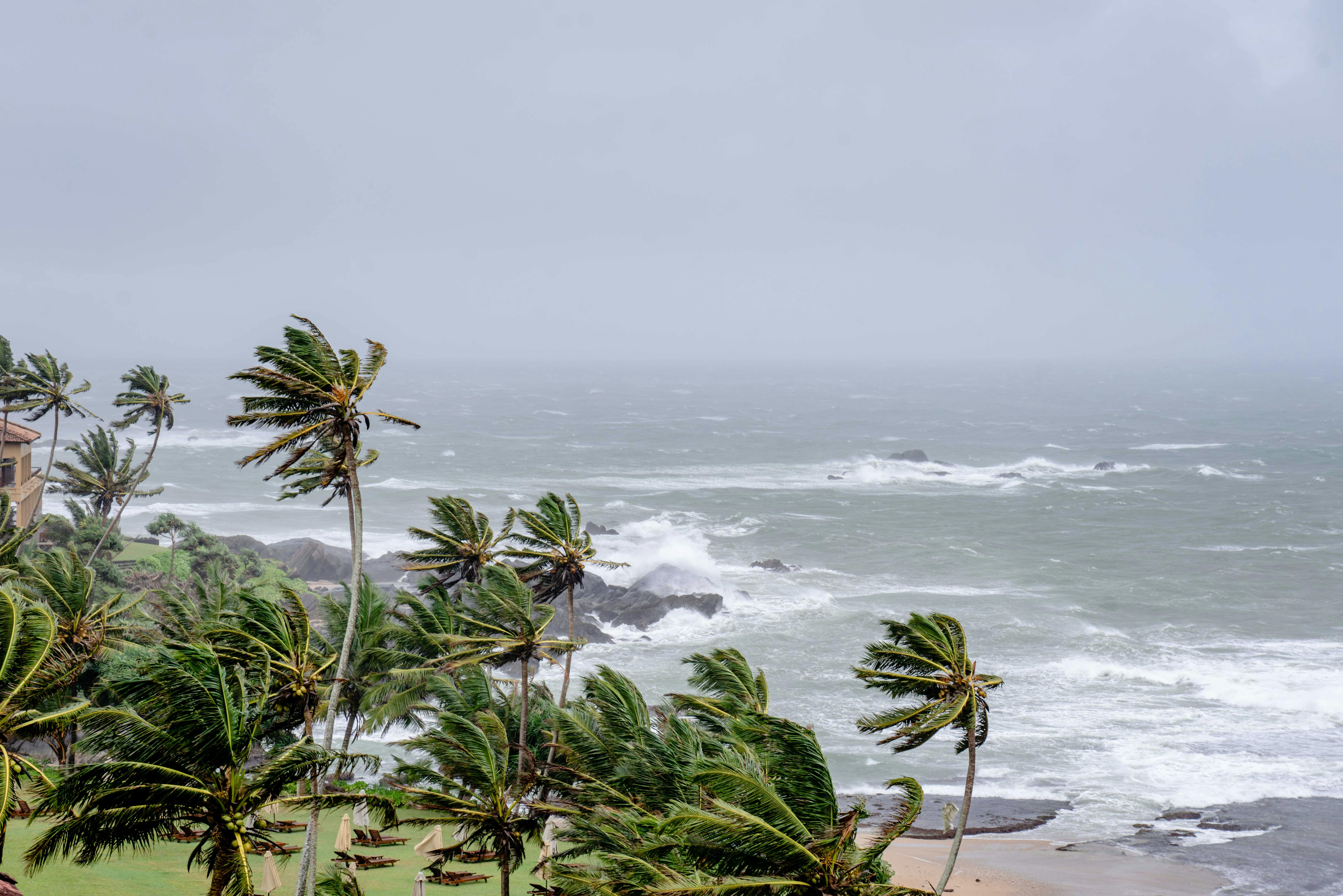
How Charleston Locals Prepare Their Homes for Hurricane Season
How Charleston Locals Prepare Their Homes for Hurricane Season
There's a difference between what the emergency management brochure says you should do and what experienced Charleston homeowners actually do before and during hurricane season. Leah Beaulieu and BJ Rodgers with Coast2Coast Properties have lived and worked through many Lowcountry storm seasons, and they've watched the full range — from neighbors who never think about it to meticulous preppers who could ride out a Category 3 in comfort. The truth is somewhere in between, and it's more routine than dramatic.
Here's what the most prepared, most experienced Charleston homeowners actually do — and what actually matters.
The Short Answer
- Preparations happen in two phases: seasonal setup (done once in spring) and storm-specific prep (done when a storm threatens)
- The highest-value items are roof inspection, insurance review, and knowing your evacuation zone — before any storm is ever in the forecast
- A basic generator is standard equipment for most Charleston homeowners after even a moderate storm
- Storm shutters or plywood for windows is the most common physical prep when a specific storm threatens
- Garage doors are a weak point many homeowners overlook — older doors fail in high winds and cause catastrophic interior damage
- Most long-time locals have a go-bag and a destination ready without thinking about it — it's just part of the annual rhythm
- Peak prep season is late spring through early summer, before the season gets active
Phase 1: What to Do Before Hurricane Season Starts (May–June)
The smartest Charleston homeowners treat early summer as their prep window — not the week a storm appears on the forecast map. Here's what they actually do.
Get a roof inspection
Roof damage is the most common and most costly outcome of a significant storm. A compromised roof can fail under hurricane-force winds, exposing everything inside. Long-time locals schedule a roofing inspection every spring — not every year necessarily, but certainly if the roof is more than 10 years old, after any hail or wind event, or when buying a home approaching storm season.
What to look for: missing or loose shingles, compromised flashing around chimneys and vents, soft spots in decking, and granule loss on asphalt shingles. A $150–$300 inspection fee is nothing compared to a failed roof mid-storm.
Review your insurance — all of it
This is the step most new homeowners skip and most experienced ones do every single May. Pull out your homeowner's policy, your flood insurance policy, and your windstorm rider if you have one, and read what's actually covered.
Key questions to answer before storm season:
- What is your hurricane deductible? (Typically 2–10% of insured value — on a $700,000 home, that's $14,000–$70,000 out of pocket)
- Is your dwelling coverage sufficient to rebuild at current construction costs, which have risen significantly?
- Does your flood policy cover contents or just the structure?
- Are there any exclusions for detached structures, outdoor equipment, or specific types of water damage?
If you can't answer these questions, call your agent before June. Not in September when a storm is forming off the Bahamas.
Clean gutters and check drainage
Clogged gutters during a storm become waterfalls that dump directly against your foundation. Clear them before the season starts, make sure downspouts extend at least four feet from the foundation, and check that your yard's grade directs water away from the house.
In Charleston's low-lying neighborhoods especially, even non-hurricane storms can flood yards and seep into crawlspaces if drainage isn't maintained.
Know your evacuation zone
Every Charleston-area homeowner should know their Zone A, B, or C designation before they ever hear the words "tropical storm warning." Check once, write it down, and know your route. Most locals have I-26 west toward Columbia mentally mapped as their default — but knowing the backroads and alternative routes matters when contraflow is in effect and traffic backs up.
Phase 2: What to Do When a Storm Is Threatening (72–120 Hours Out)
When the National Hurricane Center puts a storm on a track that could affect Charleston within 5 days, experienced locals shift into a methodical prep routine. It's not panic — it's a practiced checklist.
Secure the exterior
Everything that isn't bolted down becomes a projectile in 100+ mph winds. Charleston homeowners walk their property and bring in or secure:
- Patio furniture, grills, potted plants, and decorative items
- Garden tools, hoses, and any equipment stored outside
- Garbage and recycling bins
- Trampolines (which frequently end up on neighbors' roofs)
- Anything hanging on exterior walls — signs, art, lighting fixtures
Address windows and doors
For homes without impact-rated windows, storm shutters are the gold standard. Aluminum roll-down or accordion shutters offer the fastest deployment and best protection. For homes without shutters, 5/8-inch exterior-grade plywood cut to window dimensions is the accepted alternative — but the cuts need to be made and labeled before storm season, not 48 hours before landfall when every Home Depot in the region has empty lumber shelves.
Pay special attention to garage doors — this is the single most commonly overlooked prep item. Standard garage doors are the weakest point on most homes in high winds. An unbraced door that fails allows wind and rain to pressurize the interior of the house and can lead to catastrophic roof failure. If your garage door is not rated for hurricane winds, a bracing kit ($150–$400) can significantly reduce the risk.
Check and test the generator
If you don't have a generator in Charleston, you will eventually wish you did. Power outages after significant storms can last days to weeks. Most long-time locals have at least a portable generator capable of running the refrigerator, some fans, and phone charging. Whole-house standby generators connected to natural gas or propane are increasingly common in newer construction and high-end homes.
Test yours at the start of every storm season, not the night before a storm hits.
Fill up on fuel and supplies early
Gas station lines in the 24–48 hours before a potential landfall are brutal. Experienced locals fill their tanks 3–4 days before a storm is forecast to hit — not the morning of. Same for groceries and water: a 3–7 day supply of non-perishables, water (one gallon per person per day is the standard), batteries, and medications.
Document your home
A phone walkthrough video of every room, every closet, and the exterior — uploaded to cloud storage — takes 20 minutes and is worth thousands of dollars in the event of a claim. Do it before a storm is ever threatening, when you have time to be thorough.
What Locals Actually Skip (and Whether They Should)
Here's the honest version: not every Charleston homeowner does every item on the official preparedness checklist. These are the items most commonly skipped and the real-world consequences.
Generator: Many renters and newer homeowners don't have one until after their first extended post-storm outage. A week without power in a Charleston August is miserable and can mean hundreds in lost food. Most people buy a generator after the first time.
Impact windows: Expensive (often $15,000–$40,000+ for a full home) and not something most homeowners undertake just for storm prep. Worth doing if you're renovating anyway or in a high-risk zone. Storm shutters are the more practical alternative.
Professional roof inspection: Often skipped until something goes wrong. Given roof costs and the potential for insurance disputes after a storm, this is one most experienced locals wish they'd done consistently.
Insurance review: The most commonly skipped annual step and the one with the most costly consequences. Do it in May. Every year.
The Biggest Mistake Charleston Homeowners Make
The most common and costly mistake is waiting until a storm is already forming to do any preparation. At that point, the hardware stores are sold out of plywood and generators. Contractors are unavailable for emergency roof work. Insurance changes have a 30-day waiting period for flood policies — meaning you can't add or increase coverage once a storm is in the Gulf.
Preparation done in spring — when there's no urgency, no crowds, and no price gouging — is dramatically more effective and less stressful than last-minute scrambling. The locals who handle storm season most gracefully are the ones who treat it as a May routine, not a September emergency.
A Realistic Example
A couple who moved to Mount Pleasant (29464) from Philadelphia three years ago describes their first hurricane season prep routine. Year one: they scrambled, bought plywood at inflated prices, stressed for a week over a storm that tracked north. Year two: they got a generator in July, cleaned gutters in May, had shutters cut for the main windows, and reviewed their insurance in June. When the next storm threatened, they spent a calm afternoon closing shutters, moving patio furniture inside, and filling the car with gas. The storm brushed past. They had a barbecue while it rained.
"It went from being this scary unknown to just... a thing we do," is how the wife describes it. That transition — from anxiety to routine — is the goal, and it happens faster than most transplants expect.
So How Do Charleston Locals Actually Prepare?
- Spring: Roof inspection, insurance review, gutter cleaning, drainage check, zone confirmation
- Before the season gets active (June–July): Generator test, plywood cuts made and labeled, go-bag refreshed, family evacuation plan confirmed
- When a storm threatens: Exterior secured, shutters or plywood installed, fuel and supplies obtained early, documentation completed, evacuation decision made based on zone
FAQ: Hurricane Prep for Charleston Homeowners
When should I start preparing for hurricane season in Charleston?
May is ideal. Complete your big-ticket items — roof inspection, insurance review, generator maintenance, gutter cleaning — before June 1 when the season officially opens. The window from May through early July, before the Atlantic becomes most active, is your preparation runway. Never wait until a storm is in the forecast.
Do I need storm shutters in Charleston?
If your home has standard windows and you're in an area that could face direct hurricane winds, storm shutters or prepared plywood panels are strongly recommended for significant storms. Impact-rated windows eliminate the need for shutters but are expensive. At minimum, have a plan for window protection before a storm threatens — not after.
Do I need a generator in Charleston?
Not legally required, but practically essential for most homeowners after even a moderate storm. Power outages lasting days to a week are common after significant events. A portable generator can run your refrigerator, fans, and charging stations. Whole-home standby generators offer maximum comfort and protection but are a larger investment ($10,000–$20,000 installed).
What is a hurricane deductible and how does it work in South Carolina?
A hurricane deductible is a separate, higher deductible that applies specifically to wind damage from named storms. In South Carolina, these typically run 2–10% of the insured home value. On a $700,000 home with a 2% hurricane deductible, you'd pay the first $14,000 of wind damage before your insurance coverage applies. Review your specific policy to know your number.
What should I do with my car before a hurricane in Charleston?
Fill the tank early — days before landfall, not hours. If you're evacuating, leave as early as possible to avoid contraflow traffic jams on I-26. If you're sheltering in place, park in a garage if available, or at least away from large trees. Do not park in low-lying areas prone to flooding.
How do I know if I need to evacuate for a hurricane?
Know your evacuation zone before any storm is in the forecast. Zone A in the Charleston area faces mandatory evacuation orders in significant storms. Zone B and C may face voluntary or mandatory orders depending on storm strength. Check your zone at scemd.org/KnowYourZone and have a destination planned.
How long should I expect to lose power after a hurricane in Charleston?
It depends on storm severity and your location. A glancing blow or tropical storm might mean hours of outage. A significant direct hit can mean days to weeks, especially in neighborhoods served by older distribution lines. The national average for post-storm outage restoration in major hurricanes is 1–2 weeks in hardest-hit areas.
Final Answer
Hurricane prep in Charleston is a real and manageable part of owning a home here — not a constant source of dread, but a seasonal routine that experienced locals have long since made second nature. The most important preparations happen in spring when there's no urgency: roof inspection, insurance review, gutter cleaning, zone awareness. Everything else — shutters, generators, supplies — falls into place when those foundations are solid. Leah Beaulieu and BJ Rodgers at Coast2Coast Properties help every buyer they work with understand what storm prep looks like for the specific home and neighborhood they're purchasing — because good preparation starts with buying the right property in the first place.
About Leah Beaulieu & BJ Rodgers — Coast2Coast Properties
Leah Beaulieu and BJ Rodgers are Charleston, South Carolina real estate professionals with Coast2Coast Properties, helping buyers compare neighborhoods, understand local market differences, and find the right fit across the Charleston area. Whether you are buying your first home, relocating to the Lowcountry, or looking for investment opportunities, Leah and BJ bring local knowledge, straight talk, and a genuine commitment to helping clients make smart decisions.
Coast2Coast Properties
www.coast2coastprop.com
843-697-1409 / 803-201-4259