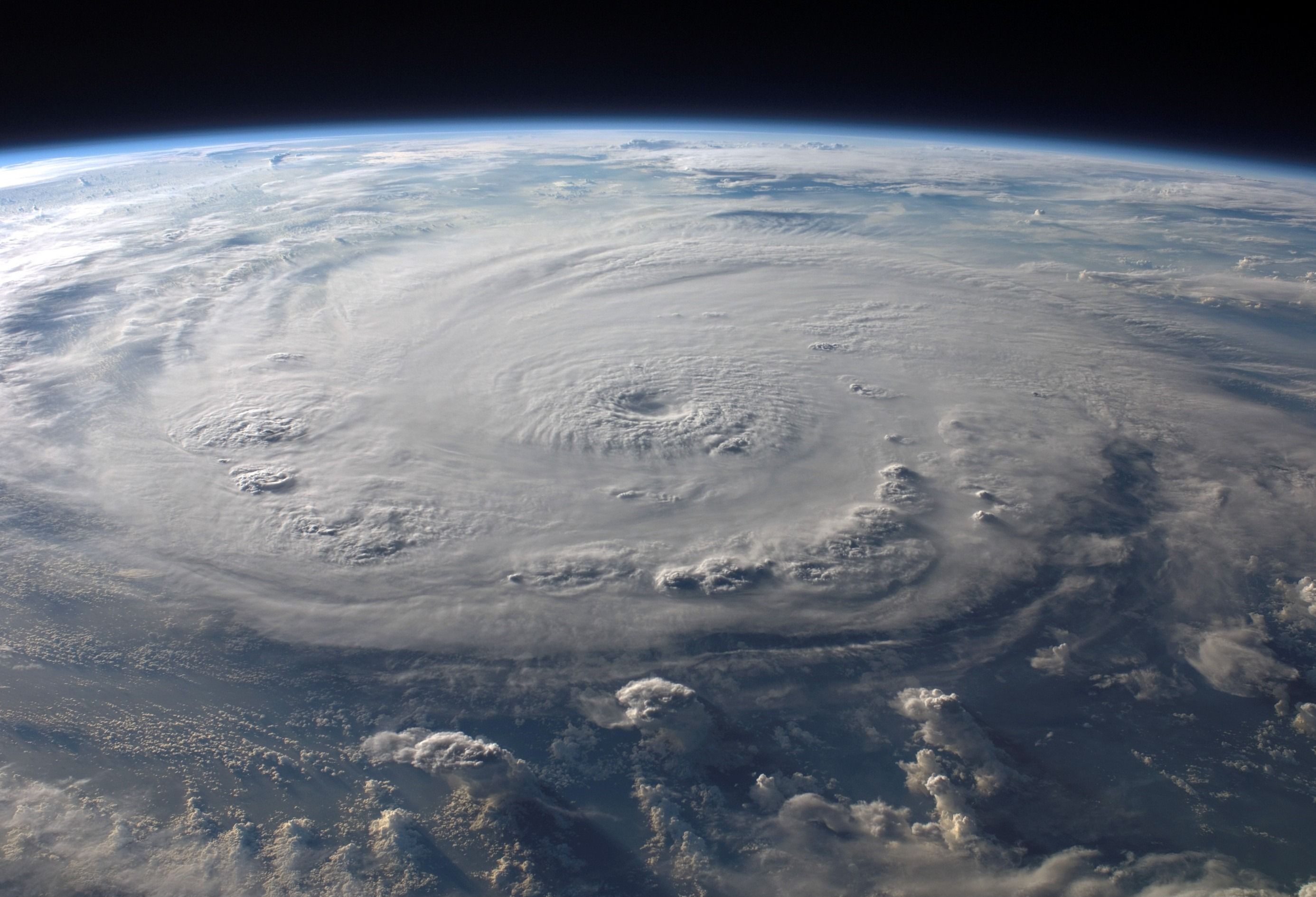
Hurricane Prep for Charleston Homeowners: What Matters Most
Hurricane Prep for Charleston Homeowners: What Matters Most
Hurricane season runs June 1 through November 30, with peak activity from August through October. For homeowners in the Charleston area, preparation is not about panic — it is about doing the right things before the season starts and having a plan that actually works when a storm approaches. Leah Beaulieu and BJ Rodgers with Coast2Coast Properties work with buyers who are new to the Lowcountry every year, and the same gaps come up repeatedly: missing insurance coverage, no documented inventory, and no plan for evacuation timing.
This guide covers what matters most for Charleston-area homeowners — not an exhaustive checklist, but the high-priority items that make the biggest difference.
The Short Answer
- Hurricane season is June 1 to November 30; peak threat is August through October
- Standard homeowner's insurance does NOT cover flood damage from storm surge — you need separate flood insurance
- SC hurricane evacuation zones are lettered A through F; Zone A evacuates first and includes barrier islands and coastal low areas
- SC Code requires hurricane straps or clips in wind zones above 90 mph — verify your home has them, especially if it is older construction
- The 72-hour supply kit is a minimum; aim for seven days of supplies for the Charleston area
- hurricane.sc.gov is the official state resource for evacuation orders, zone maps, and shelter locations
Start With Insurance: The Coverage Gap That Catches New Charleston Owners
The most expensive mistake Charleston homeowners make is discovering after a storm that their standard homeowner's policy does not cover flood losses from storm surge.
Storm surge — seawater pushed inland by hurricane winds and pressure — is categorized as flooding under insurance definitions. Your homeowner's policy covers wind damage, which is significant. It does not cover water damage from surge, rising rivers, tidal overflow, or rain-driven flooding that enters from the ground or storm drains.
To cover flood losses, you need a separate flood insurance policy through the National Flood Insurance Program (NFIP) or a private flood insurer. Properties in FEMA AE and VE flood zones — which cover much of downtown Charleston 29401, 29403, James Island 29412 near the water, Isle of Palms 29451, Sullivan's Island 29482, and Folly Beach 29439 — should almost certainly carry flood insurance regardless of lender requirements.
There is a critical timing issue: NFIP flood insurance has a standard 30-day waiting period before coverage takes effect. If you do not have flood insurance and a named storm is approaching, it is too late to buy it. Get flood insurance before hurricane season, not when a storm appears on the forecast track.
Know Your SC Evacuation Zone
South Carolina uses a lettered evacuation zone system — Zone A through Zone F — based on storm surge risk and proximity to coastal waters. Zone A is the highest priority and includes the most exposed areas: barrier islands, beachfront properties, and areas at high risk of inundation even from a minimal Category 1 hurricane.
Zone A includes Isle of Palms 29451, Sullivan's Island 29482, Folly Beach 29439, and other barrier island and beachfront locations. Zone A typically evacuates 48–72 hours before landfall even for weaker storms.
Zone B includes parts of the Charleston peninsula, portions of James Island 29412 near the water, and other low-lying coastal areas. Zone B often evacuates alongside Zone A for stronger storms.
Zone C and beyond includes more inland and higher-elevation areas across Charleston County, Berkeley County (Goose Creek 29445), and Dorchester County (Summerville 29483).
Look up your specific property's evacuation zone at hurricane.sc.gov. Zone designations are based on address, not neighborhood name, and properties within the same subdivision can fall in different zones depending on elevation and proximity to water.
Evacuating when ordered — not waiting to see how the storm develops — is the professional advice from SCEMD. The roads out of Charleston through I-26 west and US-17 north become heavily congested quickly once evacuation orders are issued, and contraflow operations (reversing inbound lanes for outbound traffic) take time to activate.
Check Your Home's Hurricane Straps and Wind Resistance
South Carolina adopted the International Residential Code wind provisions for construction in wind zones over 90 mph. Most of the Charleston coastal zone qualifies. New construction from the mid-2000s onward is generally required to have hurricane straps or clips — metal connectors that tie the roof structure to the wall framing — which dramatically improve a home's resistance to uplift during high winds.
Older homes may not have them. If your home was built before the code was strengthened, it is worth having a licensed contractor assess whether straps can be added retroactively. Many can be installed without tearing off the roof, and the cost is modest relative to the protection they provide. Some homeowner's insurance carriers offer premium discounts for verified hurricane strap installation.
Other wind-resistance measures worth considering for Charleston-area homes:
Impact-resistant windows or storm shutters: Standard windows are a significant vulnerability during high-wind events. Impact-resistant glass (rated for high-velocity wind zones) or properly installed storm shutters substantially reduce risk of breach.
Garage doors: Garage doors are one of the most common failure points in hurricanes. Many older doors are not rated for wind loads typical in Charleston coastal areas. A garage door failure during a hurricane allows wind pressure to build inside the structure, which can contribute to roof failure. Consider a braced or rated door if yours is more than 15-20 years old.
Entry doors: Double doors and doors without proper reinforcement are vulnerable. At minimum, ensure deadbolts are fully engaged and consider door bar reinforcements before a storm.
Prepare Your Property Before a Storm Approaches
When a storm is forecast for the Charleston area, the time available for preparation shrinks quickly. These tasks are better done at the start of hurricane season than during the 48-72 hours before potential landfall.
Document your home and belongings: Walk through your property with your phone and take video of every room, every major appliance, and your exterior. Upload the video to cloud storage. If you need to file a claim, this documentation is invaluable. Do this at the start of each hurricane season, not after the storm.
Trim trees and remove dead branches: Dead limbs and overgrown trees are projectiles in high winds. Have an arborist assess any large trees close to the structure before storm season.
Secure or store outdoor furniture, grills, and decorations: Everything not secured to the structure should come inside or be stored before a named storm. A patio chair becomes dangerous debris in 80 mph winds.
Identify your utility shut-offs: Know where the main water shutoff, gas shutoff (if applicable), and electrical panel are. Know how to use them. In flood-prone areas like parts of downtown Charleston 29401 and West Ashley 29407, shutting off utilities before evacuating is a smart precaution.
Check your sump pump: If your home has a basement or crawl space with a sump pump, verify it is functioning before storm season. Consider a battery backup unit given the likelihood of power outages during storms.
Build a 7-Day Emergency Supply Kit
FEMA and SCEMD recommend a minimum 72-hour emergency kit, but for Charleston homeowners the seven-day benchmark is more realistic given the potential for extended power outages after a major storm. The most important elements:
Water: One gallon per person per day. A family of four needs 28 gallons for seven days. Fill bathtubs and large containers before an approaching storm as a supplement to stored water.
Food: Non-perishable items that require no refrigeration and minimal cooking. Consider a manual can opener. Keep in mind that most appliances will not work without power.
Medications and medical supplies: A minimum 30-day supply of prescription medications. Pharmacies in the storm zone may be closed or inaccessible for days after a major storm.
Documents: Keep copies of insurance policies (homeowner's and flood), your home inventory video or photos, identification, and financial account information in a waterproof bag you can grab quickly when evacuating. Consider keeping digital copies in cloud storage accessible from your phone.
Power: Phone chargers, battery packs, flashlights, and extra batteries. A generator is a significant quality-of-life upgrade for extended outages — if you have one, test it before storm season and keep fuel on hand.
Cash: ATMs and card readers may not function after a major storm. Having several hundred dollars in small bills is practical.
Have a Specific Evacuation Plan — Before You Need It
Having a general intention to "leave if it gets bad" is not a plan. Leah Beaulieu and BJ Rodgers recommend that every Charleston homeowner answer these specific questions before June 1:
Where will you go? Identify a specific destination — a family member's home, a hotel outside the forecast track, a shelter location. Know its address and how to get there on multiple routes.
When will you leave? Decide your personal trigger in advance. If you are in Zone A, the answer is: when Zone A evacuation is ordered. If you are in Zone B or C, decide in advance what storm category or mandatory order triggers your departure. Making this decision under pressure, when the storm is already approaching, leads to waiting too long.
How will you go? If you have pets, verify that your destination or shelter is pet-friendly. SC emergency shelters are not always pet-friendly; many counties maintain separate pet-friendly shelters or emergency pet boarding — check this in advance at your county emergency management office.
What will you take? Have a go-bag ready or a clear list of what to grab. Medications, documents, chargers, cash, clothes for several days, and your pet's supplies. The less you have to think about in the moment, the better.
South Carolina's official hurricane information, evacuation zone maps, real-time evacuation orders, and shelter locations are at hurricane.sc.gov. Bookmark it and check it at the start of each hurricane season.
The Biggest Mistake Charleston Homeowners Make With Hurricane Prep
The biggest mistake is treating hurricane prep as something to do when a storm appears on the forecast — not before the season starts.
By the time a storm is forecast for the Charleston area, hardware stores are out of plywood and batteries. The 30-day waiting period for NFIP flood insurance has long passed. Contractors for tree trimming are booked. The stress of making preparations under a ticking clock leads to worse decisions, incomplete coverage, and missed steps.
The homeowners who come through major storms best are the ones who did the boring work in April and May: verified their insurance coverage, documented their home, stocked supplies, trimmed their trees, and had a written evacuation plan. That preparation takes a few hours spread across a weekend. It is far less costly than the alternative.
A Realistic Example
A couple buys a home on James Island 29412 in March, close enough to the water to be in a FEMA AE flood zone. They purchase wind coverage through a standard homeowner's policy but skip flood insurance because their mortgage lender does not require it at that particular address.
August brings a Category 2 hurricane that tracks up the coast and makes landfall near the area. Storm surge floods their garage and ground floor, causing $85,000 in damage. Their homeowner's policy covers the wind-related roof damage — about $12,000. The flood damage is excluded. Their flood insurance claim would have paid most of the $85,000; instead, they bear the loss out of pocket and through a personal loan.
The NFIP annual premium for their property was approximately $2,200. Over 20 years, that totals $44,000 in premiums — significantly less than the single storm loss they absorbed without coverage.
This is not an unusual scenario in the Lowcountry. It is exactly the situation that BJ Rodgers and Leah Beaulieu caution buyers about during every coastal purchase conversation.
Summary: What Matters Most for Charleston Hurricane Prep
- Buy flood insurance before the season — the 30-day waiting period means you cannot get it when a storm is approaching
- Know your SC evacuation zone and have a specific plan for when and where to go
- Verify your home has hurricane straps, especially if it was built before the mid-2000s
- Document your home on video at the start of each hurricane season
- Build a seven-day supply kit and store it where you can grab it quickly
- Trim trees, secure outdoor items, and prepare your property at the start of the season, not when a storm is approaching
FAQ
When is hurricane season in Charleston, SC?
Hurricane season officially runs June 1 through November 30. Peak activity is typically August through October. Most named storms that threaten the Charleston area develop in this window, though early and late-season storms are possible.
Does homeowner's insurance cover hurricane damage in Charleston?
Standard homeowner's insurance covers wind damage from hurricanes but does not cover flooding, including storm surge. Flood damage requires a separate flood insurance policy through NFIP or a private insurer. In flood-prone areas like the Charleston peninsula, James Island, and barrier islands, flood insurance is a critical gap in coverage for many homeowners.
What are the SC hurricane evacuation zones and which is highest priority?
South Carolina uses zones A through F, with Zone A being the highest priority and evacuating first. Zone A includes barrier islands like Isle of Palms 29451, Sullivan's Island 29482, and Folly Beach 29439. You can look up your specific property's zone at hurricane.sc.gov.
How much lead time do I need to evacuate from Charleston before a hurricane?
Plan to leave at least 24-48 hours before projected landfall, and earlier if you are in Zone A or if I-26 and US-17 are already showing congestion. Waiting until the last 12-24 hours can mean sitting in gridlock with the storm approaching. SCEMD recommends following evacuation orders when issued rather than monitoring and deciding later.
What is the 30-day waiting period for flood insurance?
NFIP flood insurance policies have a standard 30-day waiting period between purchase and when coverage takes effect. If you buy a policy after a named storm is already in the forecast, the coverage likely will not apply to damage from that storm. This is why flood insurance must be purchased before the storm season, not in response to a storm.
Do I need hurricane straps on my Charleston home?
SC building code has required hurricane straps or clips for new construction in high-wind zones for many years. If your home is older — particularly pre-2000 construction — it may not have them. A licensed contractor can inspect and install them retroactively in most cases. Some insurance carriers offer discounts for verified hurricane strap installation.
Where do I find Charleston hurricane evacuation information?
The official state resource is hurricane.sc.gov, which provides real-time evacuation orders, zone maps, shelter locations, and shelter pet policies. For Charleston County-specific information, check charleston-sc.gov/emergency. Sign up for SC Emergency Alerts to receive text notifications for evacuation orders.
Final Answer
Hurricane preparedness for Charleston homeowners comes down to a few high-priority actions: close the flood insurance gap before the season, know your evacuation zone and have a specific plan, verify your home's structural protections, and document your property now rather than after a storm. None of these steps are complicated. Most can be done in a weekend at the start of each hurricane season.
Leah Beaulieu and BJ Rodgers with Coast2Coast Properties cover these topics with buyers who are relocating to Charleston and with existing clients across the Lowcountry — from inland Summerville 29483 to beachfront properties on Isle of Palms 29451. If you have questions about how hurricane and flood exposure should factor into your home purchase decision, reach out before you make an offer.
About Leah Beaulieu & BJ Rodgers — Coast2Coast Properties
Leah Beaulieu and BJ Rodgers are Charleston, South Carolina real estate professionals with Coast2Coast Properties, helping buyers compare neighborhoods, understand local market differences, and find the right fit across the Charleston area. Whether you are buying your first home, relocating to the Lowcountry, or looking for investment opportunities, Leah and BJ bring local knowledge, straight talk, and a genuine commitment to helping clients make smart decisions.
Coast2Coast Properties
www.coast2coastprop.com
843-697-1409 / 803-201-4259