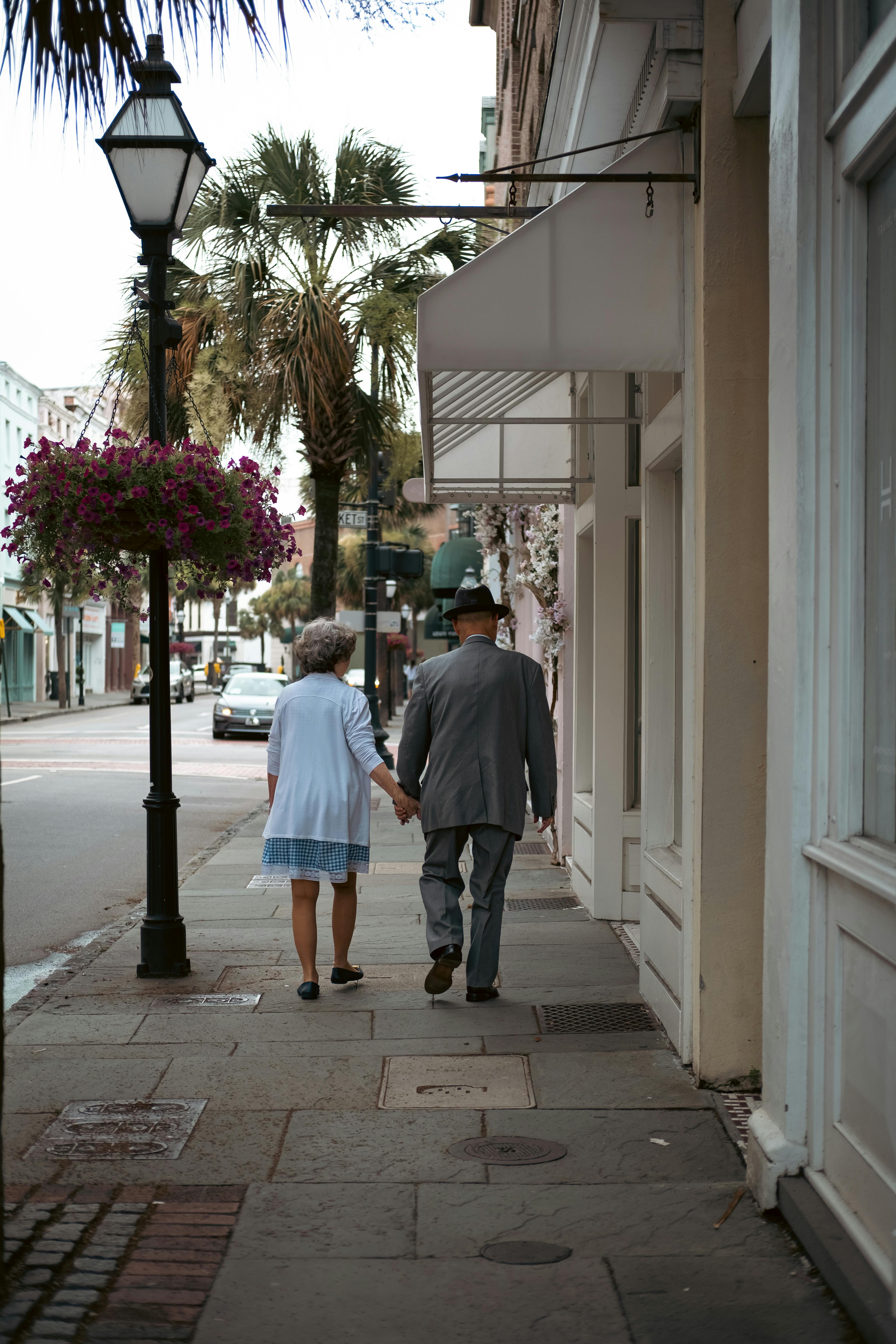
Is Charleston the Right Move if You Want an Outdoor Lifestyle More Than a City Lifestyle?
Is Charleston the Right Move if You Want an Outdoor Lifestyle More Than a City Lifestyle?
The honest answer: Charleston is exceptionally strong for outdoor lifestyle—fishing, boating, golf, kayaking, beach access, and year-round outdoor activity. But it's not a backwoods mountain town, and it's increasingly not a sleepy coastal village. If your priority is outdoor access and you're willing to tolerate some urban growth and occasional tourist crowds in exchange for genuine Lowcountry adventure, Charleston works beautifully. If you need solitude or remote wilderness, you'll find better options in the mountains of North Carolina or western South Carolina. Leah Beaulieu and BJ Rodgers at Coast2Coast Properties help buyers understand the fit before they relocate.
The short answer
Here's what you need to know about Charleston for an outdoor-priority lifestyle:
- What Charleston delivers: Year-round boating, fishing, kayaking, golf, beach access, creeks and marshes for exploration, saltwater wade fishing, and serious community infrastructure for all of it
- Charleston's trade-off: Urban sprawl has reached the outer suburbs, summer heat and humidity limit outdoor activity (June–September), hurricane season requires vigilance, and the popularity means crowds (especially seasonally)
- Where outdoor lifestyle thrives: James Island 29412, Johns Island 29455, Goose Creek 29445, parts of Mount Pleasant 29464, West Ashley 29407—neighborhoods where you can launch within 10 minutes and avoid downtown gridlock
- The reality check: Charleston is no longer a quiet coastal town. Summer tourism, traffic on the Ravenel Bridge, and urban density have increased. But the water lifestyle itself has improved as infrastructure, marinas, and fishing communities have developed
If outdoor lifestyle is non-negotiable and you're flexible on "small town feel," Charleston works. If you need both remote nature and urban amenities, you're looking at a bigger compromise than Charleston offers.
Why Charleston is genuinely excellent for outdoor lifestyle
The Lowcountry ecosystem is unique and rich. You get saltwater creeks, tidal marshes, deep-water rivers, barrier island beaches, and nearly temperate-year-round conditions. This creates outdoor opportunities:
Boating: The Intracoastal Waterway runs north-south through the Charleston area. Tidal creeks feed into it—navigable in shallow-draft boats to dozens of anchorages and fishing spots. No locks (unlike northern waterways). Deep enough for cruising boats, shallow enough for kayaks and skiffs. Shem Creek in Mount Pleasant 29464 is legendary—restaurants, boat access, water taxis, and a genuine maritime culture.
Fishing: Red drum in the shallows during spring and fall. Flounder and sheepshead in deeper channels. Tarpon in summer months. Offshore opportunities (grouper, snapper, wahoo, tuna) 40+ miles out. The fishing calendar is packed because year-round water temperature stays high enough for activity.
Kayaking: Creeks, salt marshes, and shallow bays everywhere. Kayak fishing is a major hobby. Launch from public parks and explore for hours. The landscape is genuinely beautiful—old-growth cypress trees, pristine marsh edges, wildlife at every bend.
Golf: Championship courses throughout the metro. Legend Oaks, Coosaw Creek, and the courses at Daniel Island and Kiawah are legitimate layouts. Public and semi-private options exist. Year-round play (mild winters mean your short game doesn't rust).
Beach access: Folly Beach 29439 (bohemian, affordable), Sullivan's Island 29482 (quaint, historic), Isle of Palms 29451 (upscale, family-friendly), and Seabrook Island for solitude. You're never more than 20–30 minutes from open ocean.
Trails and parks: Cypress Gardens, Francis Beidler Forest, state parks, greenways. The area has invested in outdoor access. It's not Rocky Mountain wilderness, but it's legitimate outdoor recreation.
Leah Beaulieu and BJ Rodgers work with dozens of relocators who come to Charleston because of the outdoor lifestyle opportunity. Most are happy. They came for the water, they stayed for the community and lifestyle that surrounds it.
Charleston's real limitations for outdoor-obsessed buyers
Be honest about these:
Summer heat and humidity (June–September): Peak outdoor activity in most places happens in summer. In Charleston, June through September is 90°F+, 70%+ humidity, afternoon thunderstorms almost daily, and love bugs swarming. You can fish and boat, but it's early morning or evening activity. Outdoor hiking, kayaking in the midday heat, or golf at 2 PM is punishing. Most locals shift to indoor air-conditioning during peak summer and do serious outdoor activity in spring (March–May) and fall (September–November).
If you're relocating from Colorado, Vermont, or northern California expecting outdoor summer activity to stay consistent, the heat and humidity will be a shock.
Hurricane season (June–November): August and September especially bring storm watch mode. Boating can become restricted. Beach days get canceled. Outdoor planning gets interrupted. Locals adapt, but it's a real seasonal reality.
Tropical bugs and wildlife: Love bugs (September–October), mosquitoes (year-round, worse in summer), fire ants (unavoidable), snakes (mostly harmless, occasional copperheads and cottonmouths). If you're relocating from the desert, the bug volume and critter density will surprise you.
Urban sprawl and traffic: Charleston's sprawl has reached Summerville 29483/29485, Goose Creek 29445, and beyond. The Ravenel Bridge and I-526 have become real bottlenecks. Fishing and boating access is still excellent, but the commute from many neighborhoods to the water (or to work) has gotten longer. It's not a backwoods escape—it's a mid-size metro with all that entails.
Seasonal tourism: Folly Beach 29439 and downtown Charleston are packed April–October. Restaurants have wait times. Parking is a nightmare. If your outdoor lifestyle includes casual dining and exploring town, expect crowds.
Where outdoor-lifestyle priority buyers actually thrive in Charleston
If you want outdoor lifestyle in Charleston without fighting urban intensity, neighborhood choice is everything:
James Island 29412: Working waterfront, creek access, fishing culture, older homes, lower prices. Less planned-community feel, more genuine Lowcountry neighborhood. Tidewater Creek, Folly River—legitimate water access from your front door or driveway. 10 minutes to downtown, but you don't need to go there often.
Johns Island 29455: Rural feel despite proximity to Charleston. Creeks (North Edisto, Bohicket), boat ramps, fishing, agricultural character, cheaper than Mount Pleasant. Single-road access (SC 171) is a constraint, but it keeps density manageable.
Mount Pleasant's creek neighborhoods 29464: Areas backing up to Wando River or tidal creeks. Less glamorous than Daniel Island but legitimate water lifestyle. Shem Creek ramp is 10 minutes away.
West Ashley 29407: Underrated. Ashley River and its creeks provide water access. Older neighborhoods, more authentic Lowcountry feel than new suburbs. Commute downtown is 10 minutes if needed.
Goose Creek 29445: 20+ minutes from downtown, but dramatically quieter, lower prices, and still 10–15 minutes from boat ramps and fishing spots. Naval Weapons Station proximity means military culture, which some buyers love.
The pattern: Buy away from downtown and the resort communities. Live where locals who work the water (commercial fishermen, captains, boat builders) actually live. You'll get genuine outdoor lifestyle and less urban hustle.
The biggest mistake outdoor-priority buyers make in Charleston
The biggest mistake is choosing a beautiful walkable neighborhood (Downtown Charleston 29401, Mount Pleasant high-density areas) expecting outdoor lifestyle to be equally convenient. These neighborhoods are genuinely beautiful and offer urban walkability and dining, but they're not optimized for boating, fishing, or serious outdoor activity. You end up sitting in traffic to get to the water instead of launching in minutes.
The second mistake: Underestimating summer heat and humidity and thinking outdoor lifestyle stays consistent year-round. Buyers from northern climates arrive in July, experience 95°F at 85% humidity, and realize their outdoor activity calendar has just compressed dramatically.
The third mistake: Buying into a golf community (Daniel Island, Kiawah, Dunes West) thinking that's equivalent to outdoor lifestyle. Golf is one activity. If golf is all you do, you're paying premium prices for a seasonal sport and limited outdoor variety. Charleston's outdoor lifestyle is richer than that—but only if you build it into your neighborhood choice.
Leah Beaulieu and BJ Rodgers see this constantly. The outdoor buyers who succeed in Charleston are the ones who chose the working neighborhoods (James Island, West Ashley creek areas, Johns Island, Goose Creek) over the polish ones, and they went in with eyes open about summer heat.
A realistic example
David and Karen are both mountain bikers and trail runners who relocated from Boulder, Colorado to Charleston. They initially looked at beautiful Mount Pleasant 29464 neighborhoods and downtown Charleston 29401—great walkability, restaurants, community. Leah and BJ suggested they look at James Island 29412 instead.
James Island is less "polished" than Mount Pleasant—older homes, working waterfront, real fishing community vibe. But it has legitimate trails (Cypress Gardens 15 minutes away, Francis Beidler Forest 30 minutes), boat launches (Folly River), kayaking access, and more nature-forward character. David and Karen bought a creek-view home at $550K (vs. $1M+ in Mount Pleasant) with direct water views and 5-minute water access.
Year one, they loved the water access—David started kayak fishing, Karen paddle-boarded. But June rolled around and they discovered the heat and humidity. "We rode our bikes at 6 AM before it got unbearable," David said. By August, they'd adjusted their outdoor schedule entirely—early mornings, evenings, water activities (cooler), and accepting that midday outdoor activity wasn't realistic.
Year two, they knew the rhythm. They made peace with May-September being water-focused and March-April, October-November being their best months for trails and running. They realized Colorado's 300 days of sun and 8,000-foot elevation aren't replicable here—but Charleston's water lifestyle and year-round boating season are genuine trade-offs that make it worthwhile.
Five years in, David and Karen have more kayaking, fishing, and boating experience than they ever had in Colorado (mountains and altitude limited water). They accepted summer heat and love the creek lifestyle. They'd tell any outdoor-priority relocator: "Know what you're getting. It's not a mountain town. But for water lifestyle and subtropical outdoor living, it's genuine."
So what? Is Charleston right for your outdoor lifestyle?
Here's the decision framework:
- You'll thrive if: Water lifestyle (boating, fishing, kayaking) is a core priority; you can adapt to heat/humidity; you're flexible on walkable urban neighborhoods; you want year-round water activity instead of seasonal trails
- You'll struggle if: You need mountain access or wilderness proximity; you refuse to adjust outdoor schedules around summer heat; you want small-town remoteness + urban amenities; you prioritize hiking and trail running over water
- The compromise: Charleston offers exceptional water lifestyle but requires accepting heat, humidity, and urban sprawl. There's no perfect "outdoor Colorado in the South" option—you get the water, not the altitude
Best neighborhoods for outdoor-priority buyers: James Island 29412, Johns Island 29455, West Ashley 29407, creek neighborhoods of Mount Pleasant 29464, Goose Creek 29445. Lower prices, shorter water commutes, more genuine Lowcountry character than the planned communities.
Frequently asked questions
Is Charleston better for outdoor lifestyle than coastal North Carolina or Florida?
Different trade-offs. Charleston has better boating infrastructure and fishing variety than most of the Outer Banks. Florida offers more consistent weather (true, though bugs and hurricanes are worse). The Lowcountry ecosystem and creek fishing is genuinely unique to Charleston/coastal South Carolina. North Carolina mountains are 3 hours away but require relocating away from water.
Can you actually run or trail bike year-round in Charleston?
Technically yes, but practically, June–September is punishing. Serious runners and cyclists do it at dawn or dusk. Most shift to early morning/evening activity in summer and accept it. Spring and fall are peak season.
Is Charleston's fishing really better than other coastal towns?
Legitimately yes for variety and accessibility. Inshore fishing (red drum, flounder, sheepshead) is excellent, easy to access by boat or kayak, and year-round productive. Offshore options exist (40+ miles out). Saltwater creeks are everywhere. It's not Florida's offshore abundance, but it's genuinely rich.
What outdoor activities don't work well in Charleston?
Mountain biking (no mountains, flat terrain, heavy humidity limits performance), serious rock climbing (no cliffs), alpine skiing (obviously), and long backcountry hiking (mostly public land access limitations, humidity, and seasonal bug intensity make it less appealing than other regions). Charleston excels at water lifestyle, not land-based wilderness.
Do you need to own a boat to enjoy boating lifestyle in Charleston?
No. Charter boats, kayaking, or paddleboarding give genuine water access. Owning adds flexibility but isn't required.
Is the fishing season-dependent in Charleston?
It has seasons (spring and fall are peak for reds in shallows; summer offshore is good; winter is slower but still productive). But unlike northern fishing, there's no dead season—water temperature stays high enough year-round. You can fish every month; some months are just better than others.
Would I regret moving to Charleston if I'm seriously outdoor-focused?
Depends on your outdoor definition. If "serious outdoor" means water lifestyle, Charleston is exceptional and you'll love it. If "serious outdoor" means mountains, alpine lakes, and wilderness, you're missing that and might regret it. Most water-focused buyers who come to Charleston have zero regrets. Land-sport-focused buyers sometimes wish they'd chosen the mountains.
How do locals actually spend their free time outdoors in Charleston?
Spring: Boating, fishing, kayaking, dining outside, festivals, golf, beach days. Summer: Water-focused (coolest option), early morning activity, evening socials, some inland travel. Fall: Boating peaks (perfect weather), fishing, beach access returns to reasonable post-season levels. Winter: Golf, boating, jogging/biking in pleasant 50s and 60s, oyster season.
Final answer
Charleston is genuinely one of the best East Coast locations for water-lifestyle priority. Boating, fishing, kayaking, and year-round water access rival any coastal metro. But it requires accepting subtropical heat/humidity, hurricane season, and urban sprawl. And it's not a wilderness escape—it's a lifestyle choice that trades mountain access for water richness.
Leah Beaulieu and BJ Rodgers help outdoor buyers understand whether that trade-off works for them before they relocate. The ones who choose wisely (James Island, Johns Island, creek neighborhoods) are happy. The ones who expect Colorado mountain lifestyle with South Carolina coastal access are disappointed.
If water lifestyle is your outdoor priority, Charleston is exceptional. If you need both water and mountains, you're making a larger compromise than Charleston can offer.
About Leah Beaulieu & BJ Rodgers — Coast2Coast Properties
Leah Beaulieu and BJ Rodgers are Charleston, South Carolina real estate professionals with Coast2Coast Properties, helping buyers compare neighborhoods, understand local market differences, and find the right fit across the Charleston area. Whether you are buying your first home, relocating to the Lowcountry, or looking for investment opportunities, Leah and BJ bring local knowledge, straight talk, and a genuine commitment to helping clients make smart decisions.
Coast2Coast Properties
www.coast2coastprop.com
843-697-1409 / 803-201-4259