Is Daniel Island a Good Choice for a Second Home? The Honest Comparison to Beach Islands
Is Daniel Island a Good Choice for a Second Home? The Honest Comparison to Beach Islands
Daniel Island appeals to second-home buyers for reasons that have little to do with being a traditional Charleston vacation destination. It's not a beach town; it's not a fishing village; it's a planned, walkable community with golf, dining, fitness, and predictable infrastructure. For some second-home buyers, that's exactly the appeal. For others, it's a mismatch with what they imagined a Lowcountry second home would be. Leah Beaulieu and BJ Rodgers with Coast2Coast Properties help second-home buyers work through this decision constantly, and the answer hinges on what you actually want from a Charleston area property and how much you're willing to use it.
The Short Answer
- Daniel Island works as a lock-and-leave second home for buyers who want minimal management stress, walkable amenities, and a sense of planned-community luxury without beach-town maintenance demands
- Rental potential exists but is moderate—vacation rental rates run $200–$400/night depending on the home's quality and season, generating $30K–$50K annually for a well-positioned property
- Daniel Island attracts second-home buyers seeking community, not seclusion—it appeals to relocating families, retirees, and weekend visitors who want structure and walkability, not island solitude
- Compared to barrier islands (Sullivan's Island, Isle of Palms, Folly Beach), Daniel Island is more affordable upfront, easier to manage absentee, and less seasonal—but it lacks the beach and the authentic vacation-home feel
- Maintenance and management costs are lower than beach properties because there's no saltwater corrosion, limited weather exposure, and no boat/dock obligations
- Appreciation potential is moderate but stable—Daniel Island doesn't boom like hot barrier islands, but it also doesn't bust as hard in downturns
Why Daniel Island Attracts Second-Home Buyers
Daniel Island's appeal for second-home buyers comes down to simplicity and infrastructure. Unlike a beach house—which requires saltwater-resistant materials, constant weather management, seasonal staffing, and higher insurance costs—a Daniel Island second home sits in a controlled, maintained environment. The community handles landscaping, common areas, dredging, road maintenance, and storm preparedness. Your job as an owner is to show up, enjoy the walkable restaurants and golf courses, and leave.
This appeals particularly to buyers in two categories: first, retirees and semi-retired professionals who want to spend four to six months per year in Charleston but don't want the work of a beach house. Second, Northern professionals who need a pied-à-terre in Charleston for business and want a low-stress property that feels like a resort when they visit.
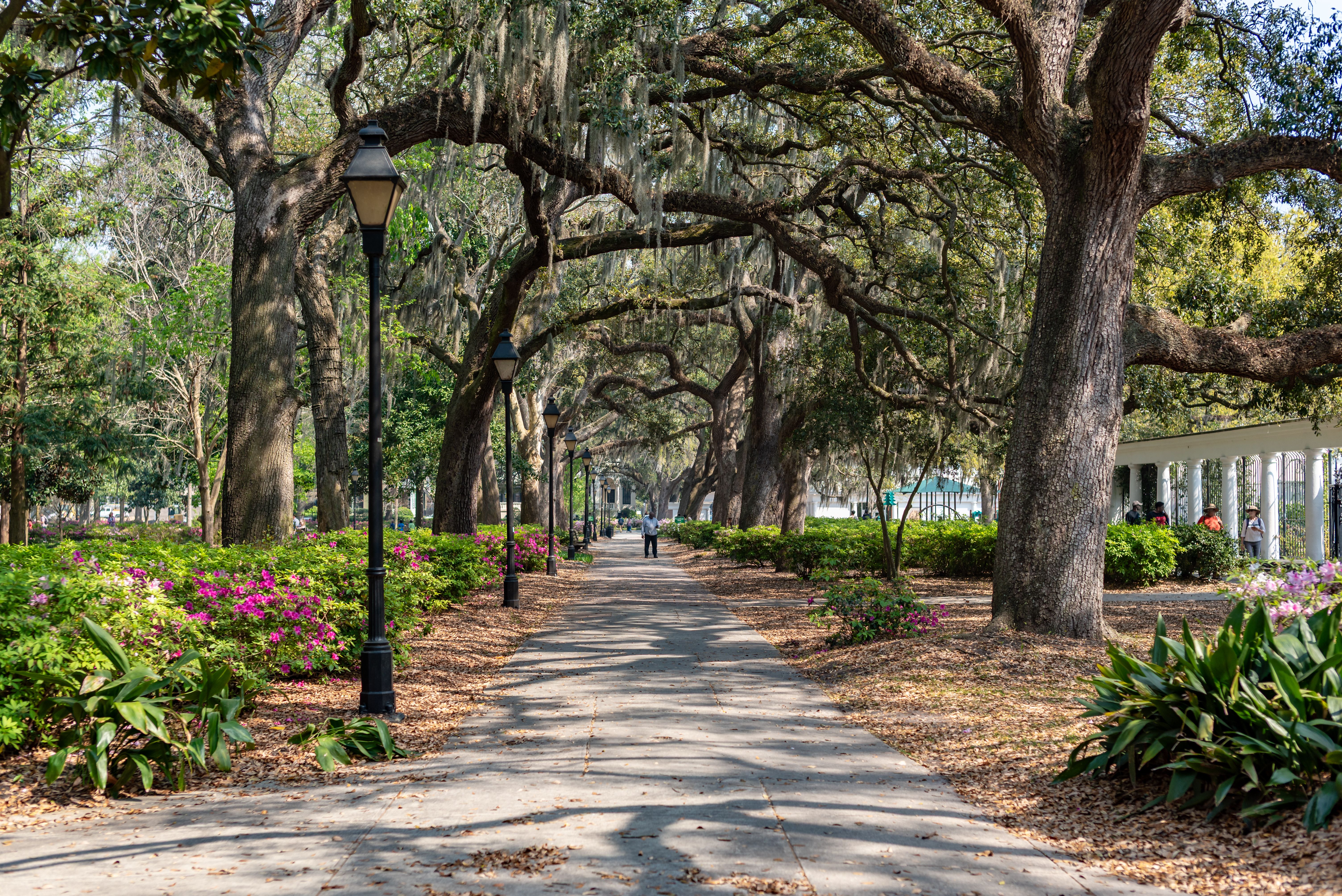
Daniel Island's walkability is the feature that sells second homes. You can park your car, walk to dinner, walk to fitness, walk to golf—you don't need a second vehicle or constant driving. On barrier islands, you typically need a car for almost everything. For someone who's visiting for a long weekend or a month at a time, the walkable, managed community feel of Daniel Island is often more valuable than beachfront proximity.
Rental Potential: The Numbers That Matter
Many second-home buyers ask: can I rent this out when I'm not using it? The answer for Daniel Island is yes, but with specific parameters.
Vacation rental rates in Daniel Island typically range from $200–$400 per night depending on the home's quality, location within the island, and season. A $2M home in a prime location near the Club might command $300–$350/night; a $1.2M home in an outer section might rent for $200–$250/night. Off-season (June–August, when heat and humidity are high, and shoulder months like April–May) rates drop to $150–$250/night. Peak season (October–April, when Charleston weather is ideal) sees higher rates and better occupancy.
The math: assume a $250/night average across the year. At 60% occupancy (reasonable for a well-marketed vacation rental), that's roughly 131 booked nights annually. Revenue is approximately $32,750 per year before operating costs. After property management (20–25% of rental revenue), cleaning between guests, HOA contributions specific to vacation rentals, and routine maintenance, net rental income is typically $20K–$25K annually on a mid-to-upper range property.
That's not negligible, but it's not transformative for a $2M property. For a buyer using the home 8–12 weeks per year personally and renting it the rest of the time, the rental income helps offset carrying costs but doesn't generate windfall returns.
However, here's the catch: Daniel Island HOAs have specific rules about vacation rentals. Some neighborhoods allow them freely; others cap the number of days per year a property can be rented, restrict rentals to 30 days minimum, or require approval from the HOA. When you're evaluating a Daniel Island second home, confirm the rental policy explicitly. A home that looks like a $30K/year revenue generator can suddenly become a $0 revenue generator if the HOA bans short-term rentals or restricts them to a few weeks per year.
Leah and BJ see second-home buyers surprised by rental restrictions often enough that they always lead with: "What are the rental rules for this specific neighborhood?" Assumptions about vacation rental flexibility can kill the secondary income motivation.
Daniel Island Second Homes vs. Barrier Island Beach Houses
This comparison is where the second-home decision gets real. Here's how the two options stack up:
Daniel Island Second Home ($1.8M–$2.2M)
- Walkable to restaurants, golf, fitness, shopping
- Managed community with HOA covering maintenance
- Lower insurance costs (no beach exposure)
- Minimal storm damage risk
- Can rent 200–250+ nights per year (depending on HOA rules)
- 60-minute drive to the beach if you really want sand and water
- Feels like a resort community; doesn't feel like a "getaway"
- Attracts visitors interested in golf, dining, and managed luxury
Barrier Island Beach House ($2M–$2.5M on Sullivan's Island or Isle of Palms)
- Direct beach/oceanfront access
- Views and authentic vacation feel
- Higher insurance costs ($3K–$5K+ annually)
- Saltwater corrosion means ongoing maintenance and material replacement
- Storm/hurricane risk is real; weather damage can be substantial
- Seasonal (busy October–April, dead June–August)
- Typically more expensive to manage absentee; needs regular property checks
- Attracts visitors wanting the beach experience
For a buyer who has visions of sitting on their second-home porch, drinking morning coffee watching the ocean, and falling asleep to the sound of waves, Daniel Island is not the answer. That buyer needs Sullivan's Island or Isle of Palms, and should budget accordingly for insurance, maintenance, and seasonal fluctuations.
For a buyer who wants a hassle-free second home, strong walkable amenities, predictable operating costs, and the option to rent it when not using it, Daniel Island is often smarter than the beach.
Absentee Ownership: The Stress Factor
One of the most underrated second-home benefits of Daniel Island is how well it works for absentee owners. A property manager can oversee the home, arrange rentals, and handle maintenance with minimal drama. If something breaks, it's typically a standard home repair, not a salt-damaged window system or a storm-damaged roof.
Beach homes require more active management. Salt air corrodes exterior finishes. Storm prep and recovery are ongoing stressors. Off-season, a vacant beach house can feel isolated and requires more frequent checks to ensure no weather or moisture damage has occurred.
Daniel Island's managed-community model means the HOA is already overseeing common grounds, landscaping, and stormwater. Your responsibility as an owner is simpler: ensure the interior is maintained, arrange rentals if desired, and manage property taxes and insurance.
For second-home buyers who live far from Charleston (Boston, New York, Chicago), Daniel Island's simplicity is a major advantage. You can own a property, rent it profitably when you're not using it, and not worry constantly about weather, maintenance, or community management.
A Realistic Example: The Daniel Island Second Home That Made Sense
A buyer from Boston purchases a $2M home on Daniel Island as a second home. The home is a four-bedroom in a prime location near the Club. The buyer plans to spend six weeks per year in Charleston, primarily in the winter months (February–March and October–November, when Boston is cold).
The buyer lists the property for vacation rentals when not using it. The HOA allows up to 200 days of vacation rental per year. The property rents at an average of $280/night across the year (peak season $350/night, off-season $200/night). Assuming 65% occupancy (solid for well-marketed property), the home books approximately 148 nights at an average of $260/night (accounting for seasonal variation). Gross rental revenue is roughly $38,480 annually.
After property management (22% of revenue = $8,465), cleaning between guests ($4,000/year), and additional HOA fees for vacation rental management ($2,000/year), net rental income is approximately $23,000–$24,000 annually.
The buyer's carrying costs: $2M mortgage at 6% = $12,000/month = $144,000/year (not including taxes/insurance, which add roughly $30K annually). HOA dues are $500/month = $6,000/year. Annual carrying cost is approximately $180K total. The rental income of $23K–$24K offsets about 13% of the carrying cost, making the property's net cost $156K annually to own.
For a Boston-based buyer using the home six weeks per year, the effective cost-per-week is roughly $3,000/week for the use, with the rental income helping defray other expenses. This pencils out if the buyer is committed to the property long-term and sees it as part of their overall wealth and lifestyle investment, not as a pure income-generating investment.
A barrier island beach house with similar carrying costs would generate less rental income (seasonal concentration, higher insurance, more management overhead) and more stress for an absentee owner 400 miles away. For this specific buyer, Daniel Island makes more sense than the beach.
So What: Is Daniel Island the Right Second Home for You?
Daniel Island is the right second home if:
- You want walkable amenities and minimal management stress
- You're interested in golf, fitness, and community dining more than beach access
- You plan to use the home 4–12 weeks per year and want rental income for the rest of the time
- You live far from Charleston and want a simple, professionally manageable property
- You prefer planned-community structure to island isolation
- Appreciation potential and stability matter more to you than boom-or-bust beach-market volatility
Daniel Island is not the right second home if:
- You want authentic beach/water access and the vacation-home feeling
- You're buying primarily for appreciation and expect strong returns
- You expect high-season beach rental rates ($400–$600/night)
- You want to be within walking distance of the ocean
- You're drawn to barrier-island culture and seasonal vacation rhythms
- You plan to use the home sporadically and aren't committed to active management or rental
FAQ: Daniel Island as a Second Home
What's the realistic rental income from a Daniel Island second home?
Average vacation rental rates are $200–$400/night depending on quality and season. Assuming 60–65% occupancy, a mid-to-upper-range property generates $20K–$30K in gross annual rental revenue. After management, cleaning, and HOA vacation-rental fees, net income is typically $15K–$25K annually.
Can I rent my Daniel Island home whenever I want, or are there restrictions?
HOA rules vary by neighborhood. Some allow unlimited vacation rentals; others cap at 200 days/year, require 30-day minimums, or restrict rentals to specific seasons. Always confirm the rental policy for your specific neighborhood before assuming rental income potential.
How does Daniel Island ownership compare to owning a beach house in terms of maintenance and stress?
Daniel Island is significantly lower-stress. The HOA manages common grounds, landscaping, and stormwater. You don't face saltwater corrosion, storm-season stress, or seasonal vacancy challenges. A beach house requires more active management, higher insurance, and ongoing saltwater maintenance—particularly for an absentee owner.
Is Daniel Island a good second home for an investment buyer looking for appreciation?
Daniel Island appreciates steadily but not spectacularly. It's stable and predictable, not a boom market. If you're buying Daniel Island as a second home, plan for 3–4% annual appreciation, not the 6–8% some beach markets experience. Buy Daniel Island for lifestyle, not capital gains.
Should I compare Daniel Island to barrier islands like Sullivan's Island or Isle of Palms?
Yes, if you're deciding between Daniel Island and a beach second home, the comparison matters. Both work, but for different buyers. Barrier islands offer beach access and authentic vacation feel; Daniel Island offers walkability, managed community, and lower stress for absentee owners. Choose based on what matters most to your actual use patterns.
How is Daniel Island during hurricane season? Am I exposed as a second-home owner?
Daniel Island's inland location and managed community structure make it significantly more resilient to hurricane damage than barrier islands. However, heavy rainfall, storm surge from interior waterways, and tropical systems can still cause flooding in low-lying areas. Insurance costs are lower than beach properties, and storm damage risk is lower. Still, tropical storms affect all of the Charleston area.
If I buy a Daniel Island second home and life circumstances change, how easy is it to sell?
Daniel Island homes sell relatively quickly (average 64 days on market as of April 2026), especially if priced fairly. The walkable, managed-community appeal attracts buyers consistently. Barrier island homes can sit longer in soft markets because buyer demand is more seasonal. Daniel Island's steady appeal makes it slightly easier to sell if circumstances change.
Final Answer
Daniel Island works as a second home for buyers who prioritize simplicity, walkable amenities, and management ease over beach authenticity and speculation-driven appreciation. For a Northern professional who wants to spend a few months per year in Charleston, manage a property absentee, and generate modest rental income when not using it, Daniel Island often makes more sense than the barrier islands. For a buyer fantasizing about oceanfront mornings and saltwater living, the beach islands deliver. Choose based on your actual lifestyle, not the second-home fantasy. Leah Beaulieu and BJ Rodgers have guided both types of buyers through this decision, and the happy second-home owners are the ones who bought what they would actually use, not what the marketing promised.
About Leah Beaulieu & BJ Rodgers — Coast2Coast Properties
Leah Beaulieu and BJ Rodgers are Charleston, South Carolina real estate professionals with Coast2Coast Properties, helping buyers compare neighborhoods, understand local market differences, and find the right fit across the Charleston area. Whether you are buying your first home, relocating to the Lowcountry, or looking for investment opportunities, Leah and BJ bring local knowledge, straight talk, and a genuine commitment to helping clients make smart decisions.
Coast2Coast Properties
www.coast2coastprop.com
843-697-1409 / 803-201-4259
Tags: #second-home-daniel-island #vacation-rental-income #daniel-island-29492 #charleston-second-home #lock-and-leave-property #daniel-island-vacation-rental #barrier-island-vs-daniel-island #charleston-investment-property #planned-community #charleston-real-estate-investment