What It's Like to Live in Charleston if Your Weekends Revolve Around the Water
What It's Like to Live in Charleston if Your Weekends Revolve Around the Water
For water people, Charleston is the dream. The Lowcountry is all waterways—tidal creeks winding through pristine marshes, the Intracoastal Waterway running north-south, rivers feeding into Charleston Harbor, and the ocean 15 minutes offshore. A weekend in the Lowcountry looks different from a weekend inland. For many residents, Saturday morning starts with a kayak paddle, Sunday afternoon splits between a drift on the ICW and an evening fishing expedition, and sunset is something you watch from the water.
Leah Beaulieu and BJ Rodgers with Coast2Coast Properties have helped plenty of water-lifestyle buyers understand what actually living this way means in practice. It's not always the postcard version in your head. This guide walks through what a real water-lifestyle weekend looks like in Charleston and which neighborhoods put you closest to that life.
The Short Answer
A typical Charleston water person's weekend goes like this: Saturday morning kayak launch from Shem Creek (Mount Pleasant 29464) or a tidal creek access point around Folly Beach or Bowens Island—early paddle when it's calm, bottle-nose dolphins are likely, and the water is glassy. By mid-morning, you're back for breakfast with a friend. Saturday afternoon, you're either on a center console heading to a nearby inlet, cruising the ICW with a cooler and nowhere in particular to be, or fishing a falling tide at dusk. Sunday repeats or shifts to something the family hasn't done yet—maybe a longer kayak expedition, maybe charter fishing, maybe just anchoring off an island and reading.
The reality is less romantic in one way: it takes planning. Tides matter. Weather matters. You can't just decide at 9am Saturday to go kayaking—you plan around low tide and wind. Weekends aren't spontaneous the way they are inland. But that planning is part of the appeal for water people. It gives structure and purpose to your time.
Neighborhoods that enable this lifestyle cluster around three water zones: the tidal creeks (Shem Creek in Mount Pleasant, the creeks around Folly Beach and James Island), the Intracoastal Waterway (accessible from multiple launch points), and direct access to fishing grounds (Johns Island, North Edisto, Stono River). The best neighborhoods for water-lifestyle weekends are the ones closest to public boat ramps and kayak launches.
Saturday Morning: The Kayak Paddle
Shem Creek in Mount Pleasant 29464 is the iconic Saturday morning launch. Arrive by 8am and you'll find 30 kayaks already on the water—locals who've timed the low tide, tourists renting single kayaks, families exploring. The water is narrow, calm, and walled in by 12 feet of vertical salt marsh. Bottlenose dolphins surface regularly. You can paddle for an hour and feel like you've gone from civilization into true wilderness, but you're 10 minutes from restaurants and cars.
This is the lived version of Charleston weekends: authentic Lowcountry water access, but organized, accessible, and close to civilization.
Alternatives if Shem Creek feels crowded or you want different terrain: Bowens Island (more remote, better for serious kayakers seeking quiet), tidal creeks around Folly Beach (family-friendly, shallow), and the Ashepoo River west of the metro (pristine but requires a drive).
A guided eco-tour runs about $50-110 per person for 2-3 hours, includes gear and a guide, and gives you fish-spotting and bird identification on top of the paddle. Coastal Expeditions runs the Shem Creek Kayak Tour and offers several other routes. Winter weekends are perfect for this—no summer heat, no afternoon thunderstorms, and the water is crisp.
Saturday morning kayak is a ritual. Neighbors meet on the water. Tourists become regulars. You talk about the dolphins you saw, the fish breaking the surface, which restaurants have the best shrimp burgers. For water-lifestyle buyers who relocate thinking they'll be on the water every weekend, the reality often is: you'll kayak more than you ever have in your life, but you still have to work and mow the lawn.
Saturday Afternoon: The Boat and the ICW
By 1pm, if you own a center console or sailboat (or you're renting one), Saturday afternoon is ICW time. The Intracoastal Waterway runs the length of Charleston—Garris Landing Public Boat Ramp near Awendaw, multiple ramps from Mount Pleasant, James Island, Johns Island. Launch by 1pm, run north toward Isle of Palms or south toward Folly Beach, anchor somewhere picturesque, swim, cast a line, open a cooler, and drift for a few hours.
The ICW can be busy on weekends in summer (tourist season), but you learn which stretches stay quiet. Early fall (September-October) is peak ICW season—weather is warm-ish, tourists thin out, and the water is manageable.
If you own a boat, Saturday afternoon on the ICW becomes autopilot. You know the channels, you know where the shoals are, you know which restaurants have dock access for dinner. This is the version of Charleston water life that the glossy magazines photograph—you on a 28-foot boat, sunset painting the sky, coldly aware that you've achieved the dream.
The reality: ICW weekends eat time and money (fuel, slip rental, insurance, maintenance). But for water people, it's the trade worth making. You're outside, the water is yours, and your only schedule is the tide and darkness.
Sunday Afternoon: Serious Fishing (or More Water Wandering)
Sunday afternoon shifts toward fishing if that's your passion. Different neighborhoods offer different fishing options:
From Mount Pleasant (29464): Shem Creek Ramp, various points on the Wando River—shallow water fishing for redfish and flounder in fall/winter, deep water (center console or charter) for offshore grouper and snapper year-round.
From James Island (29412): Multiple ramps, access to the Stono River (excellent redfish), shallow tidal creeks for kayak fishing, and the inlet for offshore runs.
From Johns Island (29455): Bohicket River boat ramp, direct access to North Edisto River (some of the best red drum fishing on the coast), proximity to Kiawah and Seabrook, and offshore runs to deeper water.
Fishing serious enough to drive your weekend planning means you know tide timing, where the fish stage by season, and which bait works this time of year. A fall Sunday fishing Sunday from Johns Island might look like this: 7am launch from Bohicket, 8-11am drifting a creek mouth on a falling tide (juvenile redfish, flounder), 11am run offshore to deeper structure (cobia, Spanish mackerel), 2pm return to dock, 4pm rest, 6pm drift a shallow inlet on the evening tide.
Full-day charter fishing runs $600-$800 for a boat, 4-6 anglers. Guided light-tackle fishing (flats, kayak, shallow water) runs $400-$600 for a half-day. If you're serious, you own your boat and you're fishing when the fishing is good, not when your schedule allows.
The reality: serious fishing weekends are weather-dependent and tiring. You're up early, you're on the water for 6-8 hours, your back hurts, and you got skunked. But when the redfish bite is on and you're into them on an incoming tide, all the planning and preparation feels justified.
Sunset: The Anchor, The Cooler, The View
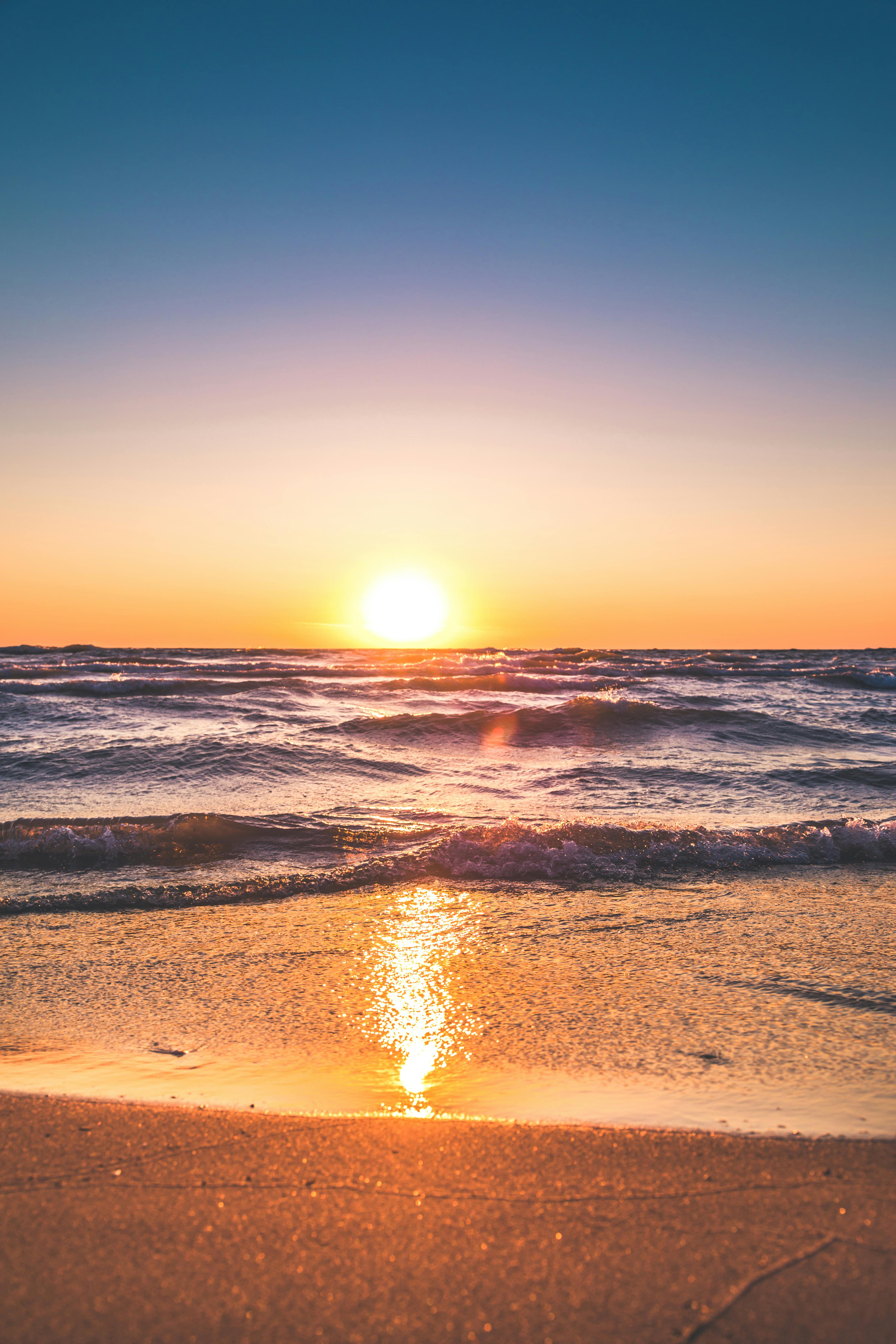
Sunday evening (or Saturday if you're anchored out overnight) is the money moment—anchor somewhere scenic (Folly Pier area, near Kiawah, a shallow creek mouth), open the cooler, watch the sun drop into the marsh. This is the Instagram version of Charleston water life. It's also the real version.
You've earned this moment through tides and planning and weather-watching. The water is glass. The light is gold. You have a beer and a friend or a book and solitude. For five minutes before sunset becomes dusk, the Lowcountry is exactly what the photographs promised.
Most water-lifestyle weekends end this way—whether on a boat or kayak or fishing a pier, you're sitting on the water watching the sun disappear. It's why people relocate here.
The Biggest Mistake Water-Lifestyle Buyers Make About Weekends
They underestimate how much water access requires planning and how quickly weekend magic becomes a chore if you're doing it because you think you should instead of because you love it. Couples often split on this—one partner fantasizes about daily boat life; the other realizes the work and commitment required and resents weekend time on the water.
The other mistake: buying a boat or equipment before living here a year. You think you know what you'll use, and you discover different after experiencing a full Charleston weather cycle—summer heat (water weekends are hot), fall storms, winter cold, spring bugs (love bugs in spring are real). Rent first. Buy after you've lived a full year and know what you'll actually use and how often.
A Realistic Example
Meet Diane and Mark—they bought in Mount Pleasant (Dunes West, $675K) specifically because of the Shem Creek kayak culture. They had kayaked once or twice vacationing in the Florida Keys. They imagined every Saturday: sunrise paddle, brunch at a waterfront restaurant, repeat Sunday.
Eighteen months in, here's their real rhythm:
- They've kayaked 23 times total.
- The first 8 times were magical.
- Times 9-16 got routine and felt like obligation.
- Times 17-23 were actual pleasure when friends joined and it became social.
- They haven't done a sunrise paddle since October (winter water is cold even in Charleston).
- They still think Shem Creek is beautiful, but weekend reality is: Mark coaches youth sports Saturday mornings, Diane's daughter has soccer Sunday, and water time fits around life, not the other way around.
The kayaks are still in their garage. They'll paddle again when they reorganize their weekends. But they're not the "we moved to Charleston to kayak every weekend" people anymore—they're the "we moved to Charleston and we happen to have kayaking available" people.
This is fine. It's real. It's most water-lifestyle relocations after year one.
Which Neighborhoods Enable This Lifestyle Best?
Mount Pleasant (29464/29466): Shem Creek access, Wando River, family-friendly kayaking infrastructure. Best for recreational water weekends, beginner-to-intermediate kayakers, and people who want water access without abandoning land-based amenities. 15-minute paddle access to dolphins and marshes.
James Island (29412): Multiple boat ramps, tidal creek access, fishing-focused. Good for all-skill kayakers and boaters, less crowded than Shem Creek, closer to deep water fishing. 10-20 minute commute to downtown.
Johns Island (29455): Bohicket Marina, North Edisto River direct access, premium fishing grounds. Best for serious anglers and boaters, more remote, solitude-oriented. 30-45 minute commute to downtown.
Folly Beach (29439): Pier fishing, kayak rental options, surf culture. More casual, touristy, but functional water access. Living here means accepting seasonal crowds and a smaller residential footprint.
Downtown Charleston (29401/29403): Walkable to restaurants, galleries, and city life, but water access requires a drive or kayak paddle to reach calm water. You get the urban Charleston experience with water nearby, not water-first living.
FAQ
How much does it cost to own a boat in Charleston year-round?
Budget $3,000-$10,000 annually depending on boat size and storage type (wet slip vs. dry stack). Wet slip at Shem Creek Marina runs $400-$800/month depending on slip size. Dry stack (forklift storage) is $300-$600/month. Add insurance ($600-$1,500/year), fuel, maintenance, and registration. Small center console boat annual costs run $6,000-$12,000 if you're active. This is before the initial $30K-$100K+ purchase price.
Can you actually fish year-round in Charleston?
Yes. Seasons change what fish are where and what bait works, but something is biting year-round. Fall and spring (October-November, March-April) are peak inshore. Winter (December-February) is calm and fishable but cold. Summer (June-August) is hot but productive early morning and evening. Winter green-water fishing is real on falling tides when the water clears.
Is Charleston water safe?
Tidal creeks and the ICW are generally safe if you respect weather and tides. The ocean near the inlet has currents and occasional sharks (rare to encounter), but serious incidents are uncommon. Follow weather forecasts, stay aware of tide timing, wear a life jacket, and you're fine. Locals kayak every weekend without incident.
What's the best neighborhood for weekend water lifestyle if I don't own a boat?
Mount Pleasant (Shem Creek for kayaking). It's the most accessible, requires no ownership, rentals are available ($35-$50 for a kayak for a few hours), and it's family-friendly. James Island is a close second. You can kayak, fish from a pier or ramp, and still be 20 minutes from downtown amenities.
How crowded do the water spots get?
Shem Creek Saturday morning is busy (30-50 kayaks), but the creek is wide enough that it doesn't feel chaotic. Summer is busier than winter. Folly Beach is crowded year-round. Johns Island's Bohicket area and tidal creeks are quieter. If you want solitude, launch early (7am), go mid-week, or explore creeks away from main ramps.
Do you need a boat ramp membership?
Most public ramps are free or low-cost ($5-$10 daily). Some private marinas charge for ramp access if you're not renting a slip. Bohicket Marina ($35-$50 launch fee). Shem Creek has several access points with varying fees. Not a barrier to entry.
Is it realistic to be on the water every weekend?
Weather-dependent, but yes—Charleston averages 230 sunny days annually. Summer thunderstorms can close afternoons, and winter cold limits enthusiasm, but from October-May, you can plan water weekends with high confidence. Summer requires flexibility, but workable.
Final Answer
Weekends on the water in Charleston are real and achievable, but they require a shift in mindset from city-living weekends. You're not doing what you feel like—you're working with tides, weather, and seasons. You're planning ahead. You're waking up early. But if that structure appeals to you, and if moving water in your weekend rhythm is important, the Lowcountry delivers. A Saturday morning paddle through tidal creeks, an afternoon on the ICW, a Sunday fishing expedition—it's possible. It's also not automatic. You have to choose it and commit to it.
Leah Beaulieu and BJ Rodgers with Coast2Coast Properties can help you land in the neighborhoods that make this life easiest—whether that's Mount Pleasant for accessibility, Johns Island for serious fishing, or James Island for balance. The key is choosing the neighborhood that matches your real water-lifestyle vision, not the Instagram version.
About Leah Beaulieu & BJ Rodgers — Coast2Coast Properties
Leah Beaulieu and BJ Rodgers are Charleston, South Carolina real estate professionals with Coast2Coast Properties, helping buyers compare neighborhoods, understand local market differences, and find the right fit across the Charleston area. Whether you are buying your first home, relocating to the Lowcountry, or looking for investment opportunities, Leah and BJ bring local knowledge, straight talk, and a genuine commitment to helping clients make smart decisions.
Coast2Coast Properties
www.coast2coastprop.com
843-697-1409 / 803-201-4259