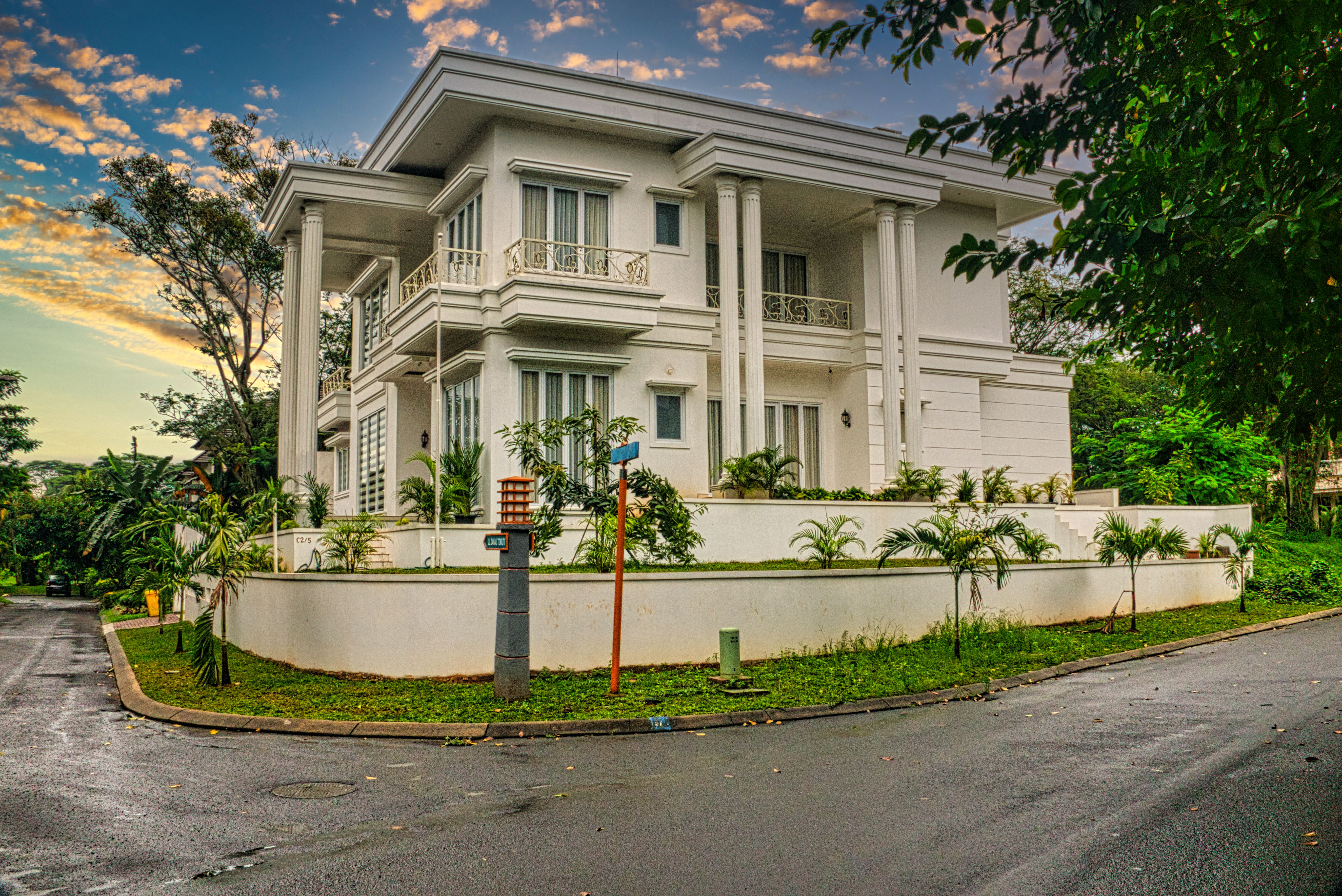
Living Near the Daniel Island Club: The Membership Story Behind Neighborhood Prestige
Living Near the Daniel Island Club: The Membership Story Behind Neighborhood Prestige
The Daniel Island Club is the centerpiece of the Daniel Island community—a 65,000-square-foot private club anchoring the island's prestige and defining its lifestyle promise. But the proximity question that every buyer asks is deceptively simple: what does "near the Club" actually mean for your home value, your daily life, and your wallet? Leah Beaulieu and BJ Rodgers with Coast2Coast Properties see the Club sell homes as much as any amenity on Daniel Island. Understanding what the Club is, what membership includes, and whether proximity justifies the premium is the difference between buying a home and buying the right home.
The Short Answer
- Daniel Island Club membership is required for homes in certain sections of the island and optional (but encouraged) for others—not all Daniel Island homes come with Club membership or access
- Club membership includes two championship golf courses, 16 tennis courts, resort-style pools, fitness facilities, fine and casual dining, and event spaces—it's a full-service country club
- Membership initiation fees typically run $20K–$50K depending on membership type (golf, tennis, social), with monthly dues of $400–$800 on top of HOA fees
- Club proximity affects neighborhood prestige and pricing—homes within walking distance command a 10–15% premium over equivalent homes in non-Club-centric neighborhoods
- Most Club members don't use all amenities, and many buy into the Club amenity for resale value more than personal use
- Club neighborhoods tend to hold value better during downturns, but don't necessarily appreciate faster in strong markets
What the Daniel Island Club Actually Is
The Daniel Island Club is not a public country club—it's a private, member-owned club with restricted access. The Club sits at the heart of the island and includes two championship golf courses (one designed by Tom Fazio, one by Rees Jones), 16 meticulously maintained clay and hard courts for tennis, a sprawling fitness center, two resort-style saltwater pools with a waterslide, fine dining and casual dining options, and event spaces for member gatherings and celebrations.
Club membership opens access to all of these amenities, but here's the distinction that often surprises buyers: not every Daniel Island home includes Club membership. Some neighborhoods on Daniel Island are part of Club membership requirements; others are not. When you buy a home in a Club-centric neighborhood (typically the premium sections closest to the Club facilities), membership is either mandatory or bundled into the HOA. When you buy in non-Club sections of the island, Club membership is optional and comes at an additional cost beyond your regular HOA dues.
Leah and BJ see this disconnect constantly. A buyer falls in love with Daniel Island, tours some Club amenities, and assumes Club membership comes with the purchase. Then the real estate agent mentions the Club initiation ($30K–$50K) and the monthly dues ($500–$700), and the buyer's eyes widen. That's an extra $6,000–$10,000 annually on top of standard HOA fees—a significant cost that wasn't in the initial "charming Charleston island living" story.
Club Membership: What's Included and What It Actually Costs
Club membership tiers vary, but here's the typical structure:
Golf Membership ($30K–$50K initiation, $600–$750/month dues) includes access to both championship courses, practice facilities, and golf events. The Tom Fazio course is considered one of the best 18-hole courses in South Carolina, and Rees Jones course is equally strong. Golf members also get clubhouse access and dining privileges.
Tennis Membership ($20K–$30K initiation, $400–$500/month) includes unlimited court time, clinics, and tournament participation across 16 courts. It's a serious tennis setup—the courts are lit for evening play, and the facility hosts regular competitions.
Social Membership ($15K–$25K initiation, $300–$400/month) includes fitness center access, dining privileges, and participation in social events, but not golf or tennis courts. This tier appeals to residents who want the Club presence and prestige without committing to golf.
On top of membership dues, the Club also charges initiation fees upfront (these do not carry over when you sell), and many members pay for cart rental, tournament fees, and dining. A family that joins at $40K initiation and $600/month dues can easily spend $12,000+ annually on Club costs once dining, cart rentals, and occasional tournaments factor in.
The biggest surprise: not every Club member uses every amenity. Many buyers join to "have access" or to strengthen resale value, but end up using golf for 10–15 rounds per year or tennis sporadically. From a pure value perspective, many members would save money by not joining and paying for occasional guest play or rounds elsewhere. But the Club membership conversation isn't usually rational—it's emotional. You're buying into the identity and the community story.
Club Proximity and Neighborhood Prestige
Homes within walking distance of the Club (roughly 5–10 minutes on foot) trade at a measurable premium over equivalent homes in other Daniel Island neighborhoods. Leah and BJ have tracked this for years: a $2M home one block from the Club often lists at $2.2M–$2.3M for the same square footage, lot size, and amenities as a home six blocks away in a non-Club section.
This isn't because homes near the Club are architecturally superior or have better views—it's the proximity and the lifestyle signaling. "Walking distance to the Club" is a real estate story that sells. It implies you can walk to fine dining, fitness, golf, and community life without driving. That lifestyle carries a premium in the luxury real estate market, and it's reflected in pricing.
However, here's the nuance Leah and BJ emphasize: Club proximity premium doesn't translate to faster appreciation or better long-term returns. Both Club-adjacent and non-Club neighborhoods on Daniel Island appreciate at roughly equivalent rates over time. The premium you pay upfront for proximity doesn't necessarily grow faster. You're paying for current prestige and lifestyle convenience, not a guaranteed appreciation advantage.
Membership vs. Non-Membership: The Case for Both
Here's a realistic breakdown of two buyer scenarios:
Buyer A: The Club Member. Purchases a $2.2M home within walking distance of the Club. The neighborhood is Club-centric, and Golf membership is bundled into the HOA ($40K initiation, $600/month). Over 10 years, the buyer pays roughly $12K in initiation fees plus $72K in dues ($600 × 120 months), totaling $84K+ in Club costs. Add in dining, tournaments, and guest play, and the true cost is closer to $100K+ over a decade. But the buyer gets the Club story, the lifestyle, the daily access, and strong resale value in a Club-adjacent neighborhood.
Buyer B: The Island Resident. Purchases a $1.9M equivalent home in a non-Club neighborhood two neighborhoods over. No Club membership required or included. Standard Daniel Island HOA is $400–$500/month. Over 10 years, the buyer saves roughly $84K in Club costs. If the buyer wants to play golf, they can pay per-round rates at other courses or use guest play privileges. For golf-focused buyers, this is wasteful; for casual lifestyle buyers, it's smart money.
The question isn't whether the Club is "worth it" in absolute terms—it's whether the Club lifestyle matters to you personally, or whether you're buying the Club story as a resale convenience.
Club Neighborhoods vs. Non-Club Neighborhoods: Resale Reality
In strong markets, both Club and non-Club neighborhoods on Daniel Island appreciate similarly. In soft markets or economic downturns, Club neighborhoods sometimes hold value better because the Club amenity appeals to luxury buyers even when the broader market weakens. This creates a small but meaningful resale advantage: Club neighborhoods show slightly more resilience in downturns and slightly faster buyer interest when homes come on market.
However, this advantage is typically 5–10% in pricing stability, not 20–30% appreciation. Leah and BJ counsel buyers that Club proximity is a lifestyle amenity and a prestige signal, not an investment bet. You're buying Club neighborhoods for the community story and the amenities you'll use, not for protected future value.
A Realistic Example: The Club Story That Paid Off
A family relocates to Charleston and purchases a $2.1M home within walking distance of the Daniel Island Club. They fall in love with the location, the community feel, and the walkable access to dining and golf. They join the Club at full Golf membership ($40K initiation, $650/month dues). The first year is everything they imagined: they walk to dinner three times a week, play golf every Saturday morning, and use the fitness center daily. They bring friends and family to the Club, and the membership feels central to their Charleston life.
Fast-forward five years. Life gets busier. Golf rounds drop to twice a month. Club dining becomes less frequent. The family realizes they're spending $800/month ($9,600/year) on Club amenities they're using less regularly. The initiation fee is sunk, but they start questioning whether the ongoing cost makes sense.
Fast-forward eight years. The family is selling and relocating. A buyer tours the home, loves the location and the Club proximity, but isn't sure about Club membership. The original buyers explain the value of membership, the quality of the courses, the dining, the community. The new buyer negotiates the Club transferability into the deal—some memberships transfer to new owners at a reduced "flip fee," others require new full initiation. In this case, the Club transfer fee is $15K (less than full initiation), and the new buyer commits to membership, attracted by the resale value positioning.
The original buyers' Club investment made sense for their specific lifestyle during the years they were most active. The Club membership was a real amenity they used and loved, not just a cost center they endured. The membership transferred to the next owner, and the Club story continued.
So What: Is Club Proximity and Membership Worth It?
Club neighborhoods command a real premium on Daniel Island, and Club membership brings access to exceptional amenities. The honest assessment:
- Buy a Club neighborhood and join the Club if: You actively play golf, use the fitness center, enjoy dining out, or want a strong community/social component. The Club works best for buyers who view it as a lifestyle investment, not a sunk cost.
- Buy a Club neighborhood but skip Club membership if: You want the prestige and the walkability but don't plan to use amenities regularly. You can always join later or use guest play privileges, and you'll save $10K+ annually.
- Buy a non-Club neighborhood if: Club amenities don't drive your daily life, and you'd rather save $80K–$100K over 10 years on membership costs. The prestige premium isn't worth the actual cost to you.
The Club doesn't make Daniel Island—it enhances it. Many perfectly happy Daniel Island residents never join the Club. But for buyers who want the full "planned luxury community" experience with walkable fine dining, fitness, and golf, Club proximity and membership make the story complete.
FAQ: Living Near the Daniel Island Club
Do all Daniel Island homes come with Daniel Island Club membership?
No. Some Daniel Island neighborhoods require or bundle Club membership into HOA fees; others do not. When evaluating a home, ask explicitly whether Club membership is included, required, or optional. If it's optional, you can live on Daniel Island without Club membership and save substantially on annual costs.
What's the cost to join the Daniel Island Club if I don't have membership?
Initiation fees typically run $15K–$50K depending on membership type (Social, Tennis, Golf), with monthly dues of $300–$750. Some Club memberships require both initiation and ongoing monthly dues; others are structured differently. Ask the Club directly or work with your real estate agent to get current pricing.
Can I walk from my home near the Daniel Island Club to the Club for dinner or golf?
It depends on your exact location. Homes within five minutes' walk of the Club's central facilities can easily walk for casual visits. Homes six blocks away are too far for regular walks but a short drive. "Walking distance to the Club" in real estate marketing typically means less than a 10-minute walk, but confirm the actual distance for your specific home.
Do Club neighborhoods appreciate faster than non-Club neighborhoods on Daniel Island?
In most cases, no. Both Club and non-Club neighborhoods appreciate at similar rates over time. Club proximity offers a measurable premium at purchase (typically 10–15% more for equivalent homes), but that premium doesn't necessarily grow faster. You're paying for current prestige and lifestyle, not a guaranteed appreciation advantage.
Is Daniel Island Club membership transferable when I sell my home?
Most memberships can transfer to a new owner, but typically at a transfer or "flip fee" (usually $10K–$20K, less than full initiation). The new owner doesn't have to join if they don't want to, but Club transfer can make the home more attractive to luxury buyers. Confirm transfer terms with the Club and your real estate agent before selling.
What if I buy near the Club but don't use the amenities? Am I wasting money?
If Club membership is bundled into your HOA, you're paying for access even if you don't use it—which many homeowners do. If membership is optional and not included, you can skip it entirely and live happily on Daniel Island without Club costs. If membership is optional but you're tempted by the prestige, honestly evaluate whether you'll use the amenities regularly.
How do Club amenities compare to other Charleston-area clubs?
The Daniel Island Club ranks among the top private clubs in the Charleston area. The Tom Fazio-designed golf course is highly regarded, the tennis facilities are excellent, and the dining and fitness amenities are modern and well-maintained. For comparison, other Charleston private clubs (Yeamans Hall, Carolina Club, etc.) offer similar prestige but often at different price points. Tour the Club directly and compare to understand whether the value proposition fits your lifestyle.
Final Answer
The Daniel Island Club is the social and lifestyle anchor of the island, and living near it offers a clear lifestyle advantage if you're going to use the amenities and value the community feel. But Club proximity and membership are separate decisions, and neither is mandatory to enjoy Daniel Island. Leah Beaulieu and BJ Rodgers recommend evaluating Club membership based on your actual use patterns, not the prestige story. If you'll play golf every week, use the fitness center regularly, and dine at the Club frequently, membership pays for itself in lifestyle value. If you're buying Club prestige as a resale feature, be honest about whether the ongoing cost makes sense for your circumstances. The best Daniel Island homes are the ones where the buyer's lifestyle aligns with the community they choose—Club or not.
About Leah Beaulieu & BJ Rodgers — Coast2Coast Properties
Leah Beaulieu and BJ Rodgers are Charleston, South Carolina real estate professionals with Coast2Coast Properties, helping buyers compare neighborhoods, understand local market differences, and find the right fit across the Charleston area. Whether you are buying your first home, relocating to the Lowcountry, or looking for investment opportunities, Leah and BJ bring local knowledge, straight talk, and a genuine commitment to helping clients make smart decisions.
Coast2Coast Properties
www.coast2coastprop.com
843-697-1409 / 803-201-4259
Tags: #daniel-island-club #daniel-island-sc #club-membership-costs #daniel-island-amenities #charleston-country-club #private-club-membership #daniel-island-golf #charleston-luxury-neighborhoods #daniel-island-29492 #country-club-living