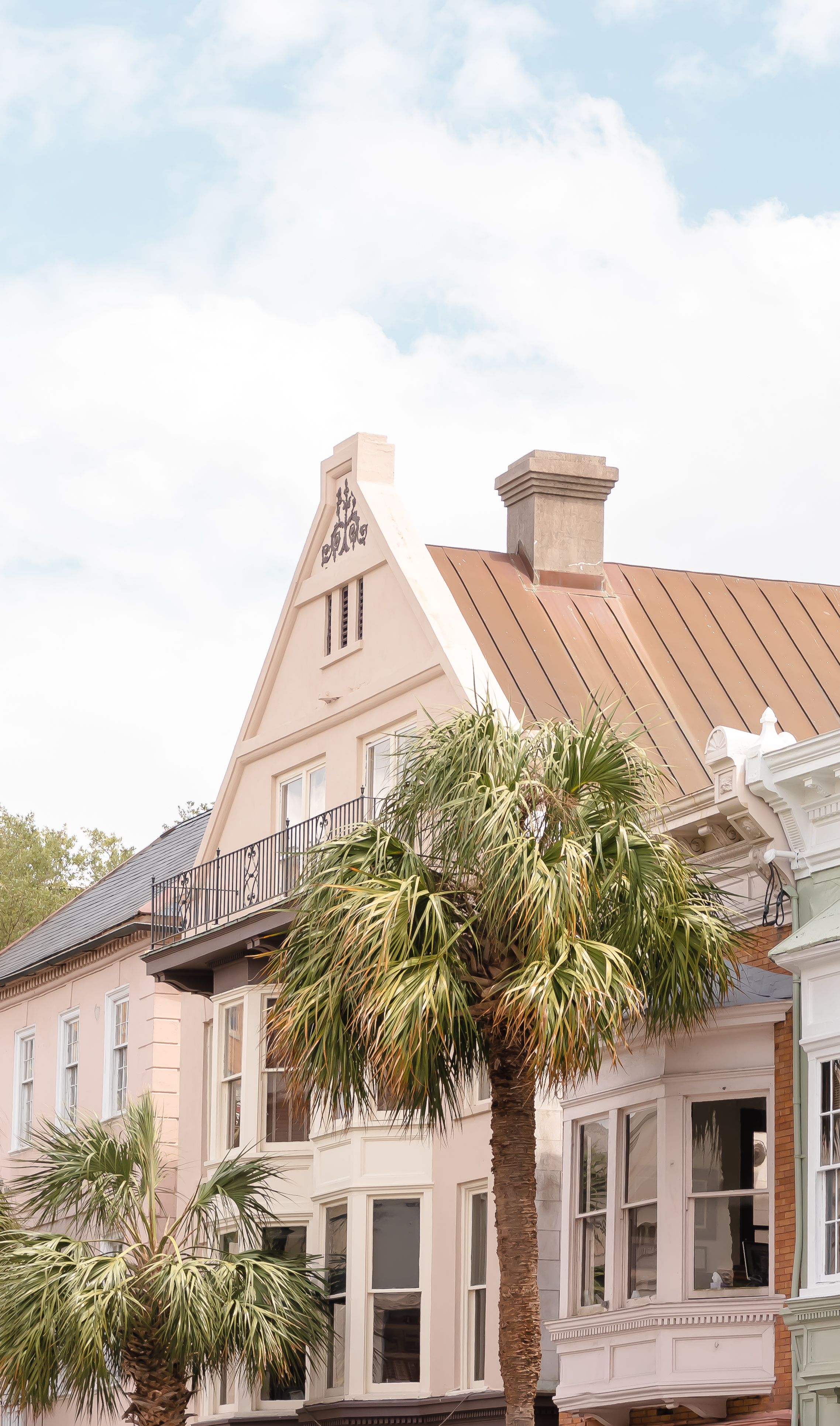
Living South of Broad: What Buyers Should Know
Living South of Broad: What Buyers Should Know
South of Broad 29401 is Charleston's most prestigious neighborhood—tree-lined streets, historic architecture, walkable access to The Battery and Rainbow Row, and the kind of address that makes locals nod in recognition. But living here year-round is very different from visiting as a tourist. Leah Beaulieu and BJ Rodgers with Coast2Coast Properties work with buyers regularly who think they want South of Broad, then discover that narrow streets, limited parking, and significant flood zone exposure change the daily reality. Here's what you actually need to know before you commit.
The Short Answer
Living South of Broad means:
- Unmatched prestige and walkability to historic shops, restaurants, and The Battery waterfront
- Narrow streets and limited parking — often street parking only, sometimes reserved for residents
- Significant flood zone exposure — much of South of Broad sits in AE flood zones with high premiums
- Traffic and tourist crowds during peak season (March–May, September–October)
- Older homes with systems that need attention — many properties are 150+ years old
- A tight-knit, established community where long-term residents dominate the social scene
- Walking lifestyle reality — everything is 10-minute radius accessible on foot
South of Broad median home price: $2,725,000 (March 2026). Average sales price: $5.2 million, with range $750,000–$14.5 million.
What South of Broad Actually Feels Like
When Leah Beaulieu shows a buyer a South of Broad property, she walks them through a typical morning and evening. Mornings are quiet—tree-shaded streets, few cars, locals walking dogs along narrow sidewalks. You can walk to a coffee shop in 5 minutes, to The Battery in 10 minutes, to King Street shopping in 15 minutes. It's the urban dream: walkability without needing to drive.
Then afternoon hits and Broad Street traffic slows everything down. Tour buses line the streets carrying visitors to historic district attractions. Parking fills up as employees from downtown offices arrive for evening work. By 6 p.m. on a Friday, the neighborhood is shoulder-to-shoulder tourists taking photos of Rainbow Row and historic homes.
"The biggest adjustment for new residents is the loss of privacy," says BJ Rogers. "You live on a street that tourists walk through daily, taking photos of your piazza and your front entrance. Some people love the energy and the sense of being in the heart of historic Charleston. Others feel constantly on display."
Winter and early spring are the best time to experience South of Broad's real life. September through November, before peak tourist season, the neighborhood quiets down. Summer (June–August) empties out as locals retreat to beach houses and vacate during peak heat.
The Parking Reality That Catches Buyers Off Guard
Parking in South of Broad is the #1 lifestyle shock for relocating buyers. Many South of Broad properties have no off-street parking or only a single small garage. Visitors park on the street. Residents with two cars have one parked on-street, sometimes blocks away from the house. If you need a second driveway space or guest parking ease, South of Broad isn't realistic for full-time living.
Some properties sit on larger historic lots with carriage houses—those have the luxury of off-street parking and detached guest quarters. But those properties start at $3M+ because that combination commands premium pricing.
Street parking in South of Broad is resident-permitted in most blocks. The permit system works, but it means you're tied to a specific street. Overnight guest parking is restricted—your visiting family has limited options for where to park. Property owners with driveways or garages live more comfortably here than those without.
Flood Zone Exposure: The Insurance and Elevation Reality
Much of South of Broad sits in FEMA AE flood zones—areas where flood insurance is mandatory if you have a mortgage. Annual flood insurance costs run $1,500–$3,000+ depending on elevation certificate and flood zone designation. For comparison, a home 5 blocks away in a X zone (minimal flood risk) might pay $200–$500 annually.
Many South of Broad homes sit close to sea level or have historically flooded during heavy rain events. The neighborhood experiences nuisance tidal flooding during king tide events (late summer). Some streets flood annually during heavy rains even without hurricanes. Properties on Broad Street itself, near The Battery, experience tidal surge during nor'easters.
Flood insurance costs get capitalized into buyer offers here. A $3 million South of Broad home in an AE zone with an elevation certificate showing first-floor living space below base flood elevation will appraise lower and sell for less than an equivalent home in a X zone, even if both are equidistant from downtown.
"Before you fall in love with a property, run the flood zone check and get an elevation certificate," Leah advises. "Insurance premiums can be the difference between a house you can afford and one you can't."
Historic District Restrictions and Renovation Complexity
South of Broad sits entirely within the City of Charleston Historic District. Any exterior change—painting, new windows, roof replacement, fence work—requires approval from the Historic District Design Review Board (also called "COA review," for Certificate of Appropriateness).
The process is transparent but adds time and sometimes cost to projects. A standard roof replacement might require architectural review to ensure materials match historic standards. Painting a door a non-approved color can trigger a review request from neighbors. Interior renovations are unrestricted, but anything visible from the street requires attention to historic guidelines.
Most buyers view the historic district restrictions as a net positive—they protect neighborhood character and prevent jarring modern additions. But they also mean you can't easily modernize the facade. If you buy an older South of Broad home, expect renovation timelines to extend 6–12 weeks longer than equivalent work in a non-historic neighborhood.
The Real Cost of Living South of Broad
Purchase price is just the beginning. Budget for:
- Flood insurance: $1,500–$3,000+ annually (AE zone properties; X zone $200–$500)
- Property taxes: ~1.6% annually on assessed value (South of Broad homes assess higher per square foot)
- HOA: $0 (no HOA; some buildings have condo fees if applicable)
- Homeowners insurance: $1,200–$2,500 annually (coastal wind/flood surcharge)
- Routine maintenance: $15,000–$25,000 annually (HVAC, roof, electrical on older homes)
- Major systems replacement: $50,000–$100,000+ when HVAC, roof, or electrical fails (historic homes use specialized contractors)
Total annual carrying cost on a $2.7M South of Broad home: $60,000–$80,000+ before market costs and major repairs.
The Biggest Mistake South of Broad Buyers Make
The #1 mistake: underestimating the lifestyle impact of narrow streets, parking, and tourist crowds. Buyers focus on the prestige and the walkability (legitimate draws) and then discover that daily navigation requires accepting constant pedestrian traffic, parking frustration, and a loss of suburban privacy they didn't anticipate.
The #2 mistake: buying a historic home with deferred maintenance and underestimating renovation costs. An "affordable" $1.8M South of Broad home with original plumbing, 100-year-old electrical, and a sagging roof will cost $200,000–$400,000 to bring into modern condition. The price seemed reasonable until renovation began.
The #3 mistake: underestimating flood insurance impact. Buyers budget for the mortgage, taxes, and homeowners insurance, then get shocked by a $2,000+ annual flood premium that's required by the lender. That premium should have been in the affordability calculation.
A Realistic Example: First-Time South of Broad Buyer
James is a 32-year-old executive relocating to Charleston with a $2.2M budget. He sees a 3-bedroom, 2-bathroom South of Broad townhouse for $2.1M—walkable, prestigious address, newly renovated interior, and exactly what he imagined Charleston living to be. He makes an offer and gets it under contract.
During due diligence, he learns: flood zone AE, elevation certificate shows first floor near base flood elevation, flood insurance quote comes in at $2,200/year. No off-street parking; street parking only with occasional visitor-parking restrictions. Narrow stairs (original to the 1850s structure) mean his mid-century furniture won't fit through the front door without disassembly. The HVAC system is 15 years old, with replacement in 3–5 years at $12,000+.
He proceeds with the purchase, closes at $2.1M, but realizes the lifestyle requires adjustment. Evening walks through the neighborhood hit tourist crowds. Bringing clients to dinner at his house means finding parking 4 blocks away. The daily visual experience is constant foot traffic, not quiet solitude.
One year later: he loves the walkability and the address. He's built friendships in the neighborhood and enjoys being at the heart of downtown. But he admits the parking frustration and tourist crowds are permanent realities, not things he'll adjust to. He's staying for now, but his next home might be in Mount Pleasant where he can have a driveway and privacy.
So What is Living South of Broad Really Like?
Living South of Broad is living in Charleston's most historic, walkable, prestigious neighborhood. You get unmatched access to restaurants, shopping, and social community. You get the daily experience of living in a neighborhood that millions of tourists consider the ideal of Charleston charm. You also get narrow streets, parking that requires strategy, tourist crowds especially during peak season, and flood zone exposure that means insurance costs well above suburban norms.
It's a lifestyle choice, not an investment calculation. Some people thrive here and can't imagine living anywhere else. Others realize after six months that the prestige isn't worth the daily frustrations of parking and crowds. BJ Rodgers recommends every South of Broad buyer spend at least a week renting in the neighborhood before committing to purchase—the daily reality is very different from the initial impressions.
FAQ: Living South of Broad
What's the typical income level for South of Broad residents?
Owners tend toward the high-six-figures to seven-figure-income bracket. The combination of purchase price ($2–$5M+), annual property taxes ($30,000–$60,000+), and flood insurance ($1,500–$3,000+) requires substantial income to afford comfortably. Some younger professional couples at $300K+ combined income make it work; most residents are established business owners, executives, or inherited-wealth families.
Is South of Broad walkable to grocery stores and practical daily needs?
Yes. The Harris Teeter on King Street is walkable (15–20 minutes). Restaurants, coffee shops, bookstores, and historic district shops are all within walking distance. However, for suburban grocery-shopping convenience (large Kroger with ample parking), you'll want to drive to Mount Pleasant or North Charleston.
Can you raise kids in South of Broad?
Absolutely, but with adjustments. Families here send kids to private schools (Heathwood Hall, Porter-Gaud) since the neighborhood sits within the Charleston County school district, which is underperforming. Kids grow up walking to school, to friends' houses, and experiencing urban living. It's very different from suburban childhood. Some families love it; others feel the streets are too active for young children.
How do South of Broad residents handle hurricane evacuations?
Evacuation from South of Broad is coordinated but stressful. Single-road entry/exit (Broad Street northbound) means traffic during mandatory evacuations is slow. Residents typically evacuate to second homes or family properties outside the evacuation zone. Some stay if not under mandatory evacuation, though the historical track record of South of Broad flooding during storms means that's risky.
What's the social scene like in South of Broad?
Tight-knit and established. Long-time residents dominate social gatherings. Newcomers are welcomed but need to actively join community boards, church groups, or neighborhood associations to break in. The neighborhood has strong cultural institutions (Gibbes Museum, historic home tours) and active social calendar. Summer heat and humidity thin out the resident population, which affects social energy seasonally.
Is it worth paying $2.7M for South of Broad when I could get more house elsewhere?
That depends on what you value. $2.7M in South of Broad gets you 3,500–4,500 square feet, walkability, prestige, and urban energy. $2.7M in Mount Pleasant 29464 gets you 5,500–6,500 square feet, lower flood risk, easier parking, and suburban space. Neither is objectively "worth" it—the question is which daily lifestyle you want. Leah and BJ help buyers answer that by having them spend time in each neighborhood before deciding.
Do South of Broad homes hold their value?
Historically, yes, with strong appreciation. South of Broad is inventory-constrained, and demand from buyers and investors is consistent. The median price of $2.7M reflects appreciation over time. However, resale timelines are longer here—a South of Broad home might take 4–6 months to sell at asking price, versus 45 days for a Mount Pleasant new build. Liquidity is lower, and value appreciation is steady but not spectacular.
Final Answer
Living South of Broad means accepting that prestige and walkability come with narrow streets, parking challenges, tourist crowds, and significant flood zone exposure. It's the most prestigious address in Charleston for a reason—the neighborhood's history, architecture, and location are unmatched. But daily life includes compromises that suburban neighborhoods don't demand.
If you thrive on urban walkability, love being near historic attractions and restaurants, and can afford ongoing flood insurance and premium property taxes, South of Broad is extraordinary. If you need parking convenience, suburban privacy, and straightforward flood risk, other Charleston neighborhoods serve you better. Leah Beaulieu and BJ Rodgers can help you test-drive the lifestyle before committing—their local perspective helps buyers make the choice that actually fits their daily reality, not just their aspirations.
About Leah Beaulieu & BJ Rodgers — Coast2Coast Properties
Leah Beaulieu and BJ Rodgers are Charleston, South Carolina real estate professionals with Coast2Coast Properties, helping buyers compare neighborhoods, understand local market differences, and find the right fit across the Charleston area. Whether you are buying your first home, relocating to the Lowcountry, or looking for investment opportunities, Leah and BJ bring local knowledge, straight talk, and a genuine commitment to helping clients make smart decisions.
Coast2Coast Properties
www.coast2coastprop.com
843-697-1409 / 803-201-4259