Luxury Living on Daniel Island, SC: Homes, Amenities, and Lifestyle
Luxury Living on Daniel Island, SC: Homes, Amenities, and Lifestyle
Daniel Island is Charleston's most successful modern luxury community—a 4,000-acre planned island just six miles northeast of downtown with new construction and resale homes ranging from $700K to $5M+, championship golf, top-rated schools, walkable town center dining, and resort-style amenities. It's where upscale families, young professionals, and empty-nesters relocate to find walkability without downtown density, modern infrastructure without suburban sprawl, and a cohesive community identity.
Leah Beaulieu and BJ Rodgers from Coast2Coast Properties see Daniel Island as the "Goldilocks" community for luxury buyers—modern enough to appeal to new-construction buyers, established enough to hold value, walkable enough for lifestyle buyers, and family-friendly enough for those with children. It's not as ultra-exclusive as Kiawah Island (29455) or as exclusively waterfront as Johns Island (29455), but for buyers wanting a full-service luxury community with strong schools and modern aesthetics, Daniel Island 29492 is arguably the best execution in the Charleston metro.
The Short Answer
- Home price range: Condos and townhomes mid-$300K to over $1M; single-family homes start over $700K, with luxury homes $1.2M–$3M+. New construction dominates; resales are actively traded.
- What makes it different: Modern master-planned island community with architecture guidelines, extensive trails, private country club golf, championship-caliber sports venues (Credit One Stadium hosts the Charleston Open), and walkable town center—not typical Charleston historic neighborhoods.
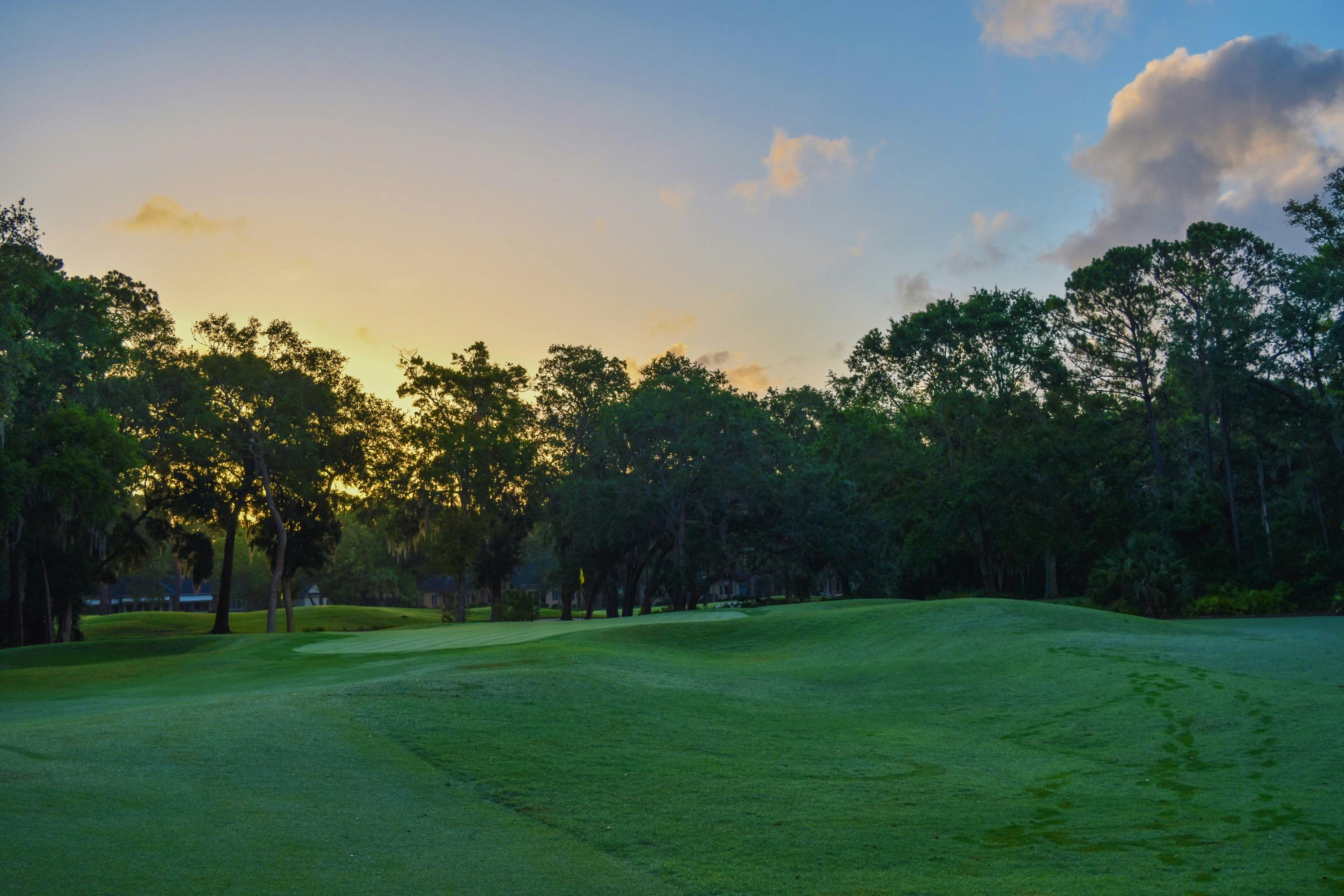
- The Daniel Island Club: Private 18-hole golf course and full country club with dining, pools, and social events; membership not required for home purchase but available to residents.
- Schools: Daniel Island School (K-8, A grade on Niche, 17:1 student-teacher ratio) and Philip Simmons High School—both highly rated and draw families island-wide.
- Amenities: 25+ miles of trails, 23 miles of river and creek frontage, Championship tennis (Charleston Open ATP tournament), golf, pools, playgrounds, and a vibrant town center with dining and retail.
- Walkability: Town center is genuinely walkable; residential areas are connected by trails and designed for pedestrians. Unlike most Charleston suburbs, you can walk to dinner.
- Resale and value: Strong appreciation and rapid resale market. Homes hold value and are in high demand from both owner-occupants and investors. Not a niche market like golf communities or ultra-luxury island properties.
- HOA and governance: HOA fees run $200–$400/month depending on location and amenities access. Well-funded, professionally managed, and focused on preserving property values and community character.
Daniel Island in Detail: The Neighborhood That Changed Charleston
Daniel Island was developed in phases starting in the 1990s as a master-planned community on an undeveloped island. The result is one of Charleston's most cohesive neighborhoods—no random historic homes next to new construction, no zoning conflicts, no infrastructure surprises. Every street is planned, every building follows architectural guidelines, and every resident moves to Daniel Island intentionally.
The island sits six miles from downtown Charleston, 15 miles from Charleston International Airport, and feels removed enough for peace and quiet but close enough for downtown dinner or a business commute. You get island living without being truly isolated.
Residential architecture is modern with Southern character—pitched roofs, generous porches, colors from a cohesive palette, and consistent setbacks. New construction is the norm; homes range from 1,800 sq ft townhomes to 6,000+ sq ft estates. The building stock is uniformly new or recently renovated, which appeals to buyers who don't want to deal with foundation surprises or century-old HVAC systems.
Price by segment:
- Condos/townhomes: $350K–$1.2M (compact, maintenance-free, entry-level luxury)
- Single-family homes: $700K–$2M (most active segment, 3-4 bed, 2,500-3,500 sq ft)
- Luxury estate homes: $2M–$5M+ (5+ bed, waterfront or premium locations, custom features)
New construction is actively marketed; resales are aggressively traded. It's a liquid market—if you need to sell, Daniel Island has deep buyer interest.
The Daniel Island Club: Golf Without Island Isolation
The Daniel Island Club is a private 18-hole championship course designed by Tom Fazio, one of America's most respected course architects. The club features a clubhouse, restaurant, multiple pools, and social programming.
Club membership is optional—not every resident joins—but available to homeowners. Membership rates vary, but the club is less expensive than Kiawah Island's membership ($135K+ initiation at Kiawah vs. lower initiation at Daniel Island Club; annual dues are comparable). For golfers who want club membership without island isolation, Daniel Island Club bridges the gap between resort golf and suburban convenience.
Non-golfers enjoy the resort amenities (pools, events, dining) regardless of membership. The club is a community focal point, not a barrier to entry.
Schools That Drive Family Migration to Daniel Island
Daniel Island School (K-8) is one of the most sought-after public schools in the Charleston area—an A-rated school on Niche with strong academics, a 17:1 student-teacher ratio, and tight enrollment management. The school has a reputation for engaged parents, rigorous academics, and a genuine community feel. Getting your children assigned to Daniel Island School is a major factor in families choosing the neighborhood.
Philip Simmons High School (grades 9-12) serves Daniel Island and surrounding areas. It's a well-regarded public high school with college-prep focus, strong athletics, and a track record of acceptances to top universities. It's not elite-private-school caliber, but it's a strong public option.
For families prioritizing schools, Daniel Island is one of the few Charleston communities where public schools are genuinely competitive with private institutions. Leah and BJ see families willing to pay $300K+ premiums on home prices specifically for Daniel Island School assignment.
Walkability and Community Amenities: The Lifestyle Centerpiece
Daniel Island was designed as a walkable community—rare in Charleston suburbs. The town center features boutique retail, restaurants (from casual to upscale), grocery (Harris Teeter), and gathering spaces. Residents can walk for dinner, coffee, or shopping without a car.
Trails: 25+ miles of interconnected walking and biking trails thread through the island, connecting residential neighborhoods, parks, schools, and the town center. It's a genuine alternative transportation network, not just manicured paths.
River and creek frontage: 23 miles of waterfront with public access via parks, boat ramps, and viewing areas. Kayaking, fishing, and water access are built into island lifestyle.
Sports and entertainment: Credit One Stadium hosts the ATP-level Charleston Open tennis tournament (one of the sport's premier events). The island has courts, pools, playgrounds, and youth sports programming that rivals suburban communities nationwide.
2026 US Women's Amateur Four-Ball: The Daniel Island Club will host this USGA championship—the second USGA event on the island—signaling national prestige for golf and the community.
Community events: Farmers market, holiday celebrations, neighborhood associations, book clubs, and social programming create a genuine community vibe. It doesn't feel like a transaction-based suburb; it feels like a planned neighborhood where residents want to be involved.
The Biggest Mistake Daniel Island Buyers Make: Assuming Modern = Boring or Assuming No Historic Character
Mistake #1: Buyers from historic Charleston neighborhoods like downtown 29401 or James Island 29412 assume Daniel Island is "cookie-cutter suburban" and dismiss it. In reality, while architectural guidelines create consistency, individual homes are distinct, well-maintained, and designed with character. The island doesn't feel generic if you look closely.
Mistake #2: Buyers assume modern infrastructure means no maintenance. While newer homes need less surprise maintenance than 150-year-old Victorians, Daniel Island homes aren't maintenance-free. HVAC, roofs, and coastal systems still require attention. HOA covers common areas, but individual homes are the homeowner's responsibility.
Mistake #3: Buyers overlook resale when choosing new construction. Daniel Island has an active resale market—homes sell quickly at fair prices. But if you buy a $1.5M spec home in peak market and the market softens, you may face resale challenges. Work with Coast2Coast Properties to assess resale risk and market timing.
A Realistic Example: The Relocation Family From Northern Suburbs
Meet David and Michelle, relocating from suburban Chicago with two school-age children and a $1.4M budget. They want a modern home, good schools, and walkable community without downtown density or historic-home surprises.
The Daniel Island choice: They find a four-bedroom new construction home at $1.3M in a well-established neighborhood. The home features modern systems, energy efficiency, and low maintenance. Daniel Island School assignment is guaranteed. They enroll their kids, discover the trail system and community events, and within a year feel part of the neighborhood.
The monthly cost: Mortgage $1.1M at 6.5% = $6,215/month; HOA $300/month; property tax (0.41% = $5,355/year) = $446/month; homeowners insurance $700/month; no flood insurance (X zone). Total monthly carrying cost: ~$7,600.
The lifestyle: Walking to the farmers market on Saturday morning, playing tennis at the community courts, their kids biking to school on the trail network. They're living in a modern, well-maintained community with genuine walkability—rare in the Charleston metro.
Why it worked: Daniel Island delivered what they were looking for. If they'd bought a $1.3M historic home downtown instead, they'd likely be managing hundred-year-old surprises, paying higher flood insurance, and dealing with parking and narrow streets. Daniel Island's modernity and planning addressed their priorities perfectly.
So What Should Luxury Buyers Know About Daniel Island Living?
Daniel Island appeals to a specific buyer profile: families wanting excellent schools, professionals seeking walkability without downtown density, golf enthusiasts wanting club membership without island isolation, and empty-nesters prioritizing resort-like amenities and modern infrastructure.
The community is not ideal for buyers seeking Charleston historic character, ultra-waterfront living, or ultra-privacy (it's an active planned community with 4,000 homes and traffic). It's also not the ultra-exclusive luxury tier (Kiawah/Seabrook Island), nor the most affordable Charleston alternative (Summerville, Goose Creek).
Daniel Island strikes a balance: modern enough for buyers wanting no surprises, established enough for strong resale value, walkable enough for lifestyle-first priorities, family-friendly enough for schools-first decisions, and amenity-rich enough for empty-nesters wanting resort living without resort isolation.
For the right buyer, it's one of Charleston's most compelling community options.
Frequently Asked Questions
How do Daniel Island home prices compare to other Charleston areas?
Daniel Island homes run 15–30% higher than comparable Mount Pleasant homes ($700K Daniel Island vs. $600K Mount Pleasant for similar 4-bed homes). Premium is for walkability, schools, and modern infrastructure. Compared to downtown Charleston ($1.2M+ for older, smaller homes), Daniel Island newer construction can feel like better value.
Is Daniel Island a good place for families with school-age children?
Exceptional. Daniel Island School is one of the most sought-after public schools in the region; families often choose the neighborhood specifically for school assignment. Philip Simmons High School is also strong. If schools are your priority, Daniel Island is a top-three choice in the Charleston area.
Do Daniel Island homes appreciate like older Charleston neighborhoods?
Appreciation is steady (3–5% annually) but driven by suburban Charleston real estate market dynamics, not historic character or prestige. Homes hold value and resell quickly, making it a safe investment. But don't expect the appreciation premiums that ultra-luxury (Kiawah) or historic (downtown) properties command. It's stable, not speculative.
What's the difference between living in Daniel Island and downtown Charleston?
Downtown: walkable to restaurants and culture, historic character, flood risk, older systems, urban density, higher prices, older schools. Daniel Island: walkable to retail and events (not culture), modern character, lower flood risk, modern systems, suburban feel, strong schools, slightly lower prices. It depends on whether you prioritize historic vibe (downtown) or family/modern amenities (Daniel Island).
Is there a "Daniel Island look" that might feel dated in 10 years?
Possibly. The consistent modern architectural style that feels current today might feel dated in a decade. But resale history suggests Daniel Island homes hold value; the market is deep and active. And architecture guidelines prevent extreme styling, so aging is gradual and uniform.
Can I walk to restaurants and shopping on Daniel Island?
Yes, the town center is genuinely walkable from most neighborhoods via trails and streets. You can walk to Harris Teeter, several restaurants, and retail without a car. It's the closest Daniel Island comes to downtown walkability—suburban walkability, not urban, but real.
What's the HOA like? Are there restrictions?
HOA fees run $200–$400/month and cover common areas, trails, and community management. Architectural guidelines are enforced—you can't paint your house purple or add a third-floor deck without approval. For buyers seeking freedom, it's restrictive. For buyers seeking community consistency and value preservation, it's ideal. Understand the guidelines before buying.
Is Daniel Island good for empty-nesters or retirees?
Absolutely. The resort-style amenities, walkability, maintenance-free newer homes, community events, and low-maintenance lifestyle appeal to empty-nesters and retirees. Schools aren't relevant; golf, community, and convenience are. Many empty-nesters choose Daniel Island over Kiawah Island for these reasons.
Final Answer
Daniel Island is one of Charleston's most successful luxury communities—a modern, master-planned island with new construction, strong schools, walkable town center, championship golf, and resort-style amenities. It appeals to families wanting excellent schools, professionals seeking walkability without downtown density, and empty-nesters prioritizing community and convenience.
Leah Beaulieu and BJ Rodgers see Daniel Island as the "sweet spot" for many luxury buyers relocating to Charleston—modern enough to avoid historic surprises, established enough for strong resale, family-friendly enough for schools-first decisions, and walkable enough for lifestyle priorities. For the right buyer, Daniel Island delivers what few Charleston neighborhoods can match: planned, modern, walkable community living with genuine financial stability and value appreciation.
About Leah Beaulieu & BJ Rodgers — Coast2Coast Properties
Leah Beaulieu and BJ Rodgers are Charleston, South Carolina real estate professionals with Coast2Coast Properties, helping buyers compare neighborhoods, understand local market differences, and find the right fit across the Charleston area. Whether you are buying your first home, relocating to the Lowcountry, or looking for investment opportunities, Leah and BJ bring local knowledge, straight talk, and a genuine commitment to helping clients make smart decisions.
Coast2Coast Properties
www.coast2coastprop.com
843-697-1409 / 803-201-4259