Mount Pleasant Luxury Without Living in a Large Subdivision
Mount Pleasant Luxury Without Living in a Large Subdivision
Mount Pleasant is known for master-planned communities with strong HOA governance, shared amenities, and active bylaws. But if you want luxury in Mount Pleasant while keeping your freedom—fewer rules, no mandatory club memberships, and actual privacy—you have options. Leah Beaulieu and BJ Rodgers with Coast2Coast Properties guide buyers to the neighborhoods where you can live prestige without feeling managed.
The Short Answer
- Old Village 29464 offers historic charm, no HOA fees, waterfront access, and authentic character with 200+ years of established community
- No-HOA neighborhoods exist in south Mount Pleasant (29464) around Belle Hall, Hobcaw Creek, and scattered established areas
- Estate properties on larger private lots exist in both 29464 and 29466, though they're priced as specialty finds, not inventory
- Small intimate enclaves like Ballam Oaks (18 homesites) offer privacy and gated security without the sprawl of larger communities
- Expect premium pricing for the trade-off: freedom comes at a cost, especially in walkable areas like Old Village
Why Most Mount Pleasant Neighborhoods Have Strong HOAs
Mount Pleasant's newer master-planned communities—I'On, Park West, Carolina Park, Daniel Island—were designed with HOAs from the ground up. They include private amenities (pools, fitness centers, marinas), community governance, and architectural controls that maintain uniform standards and property values.
These HOAs work brilliantly if you want an integrated community, access to shared resources, and predictable neighborhood management. But if you're seeking independence, fewer restrictions, and the freedom to modify your home or lifestyle without approval, HOA-heavy communities can feel restrictive.
This is why savvy Mount Pleasant buyers who prioritize freedom look to older, established neighborhoods or specialty estate properties. They're willing to sacrifice some amenities for genuine autonomy.
Old Village: Historic, Walkable, No HOA
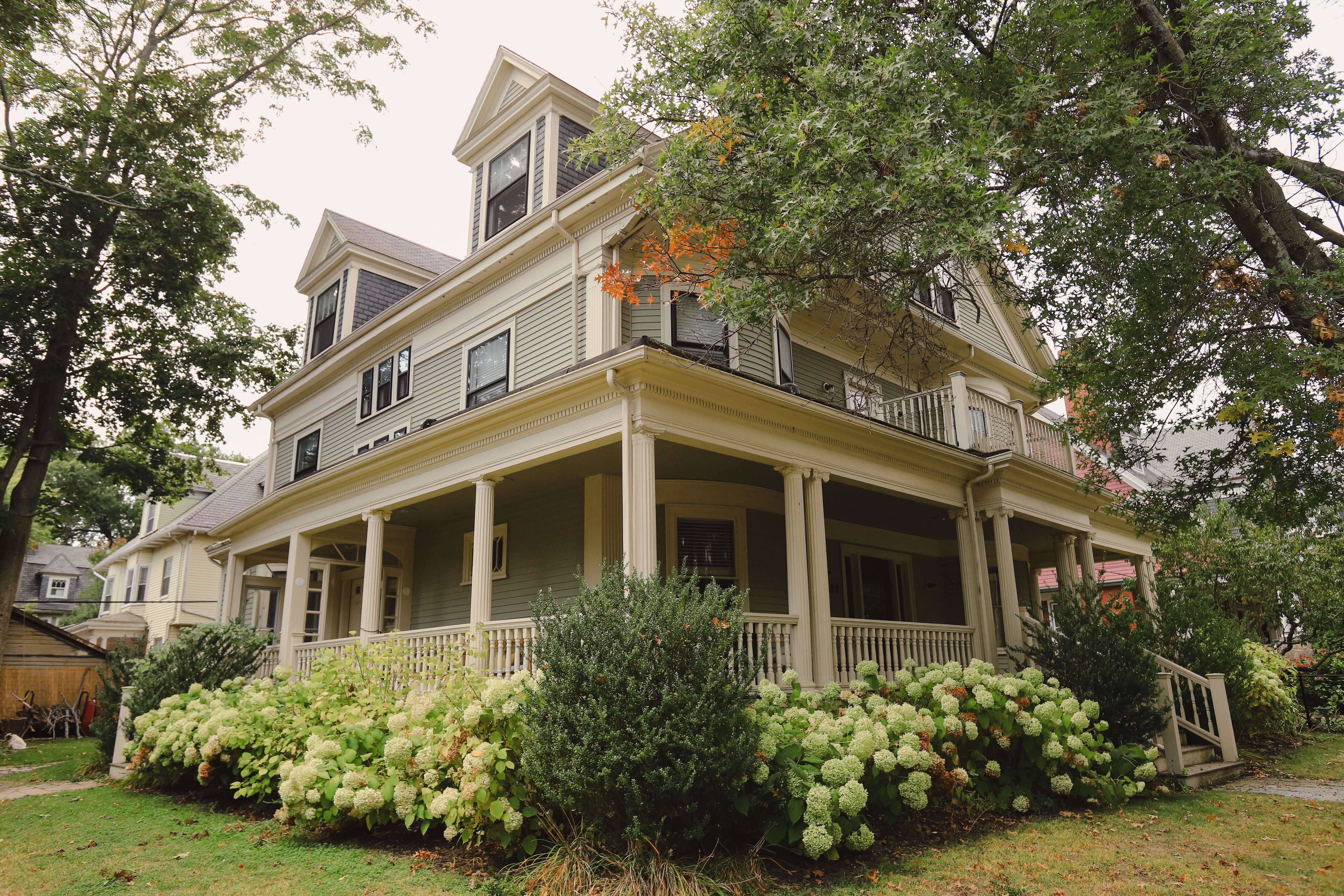
Old Village 29464 is Mount Pleasant's crown jewel for buyers wanting prestige without subdivision living. It's the original historic waterfront neighborhood, established 200+ years ago, with authentic character that can't be replicated in new construction.
What makes it different: No traditional HOA. No mandatory club memberships. No monthly fees for shared amenities that you may not use.
The catch: Old Village falls under the Old Village Historic District Commission (OVHDC), which governs exterior modifications, new construction, and architectural changes to preserve historic integrity. This means you can't gut your 1920s cottage and make it look like a modern beach house—but that's the appeal for buyers who value authenticity over customization.
Walkability and lifestyle: Old Village is the only truly walkable neighborhood in Mount Pleasant, with Main Street dining and shops, Shem Creek waterfront access, and a community feel that feels lived-in and organic rather than managed.
Price range: Old Village homes currently range from $600,000 to $5.8 million (2026 data), with most established historic homes in the $1.2 million–$2.8 million range. You're paying for location, walkability, and the premium of being in Charleston's most desirable waterfront neighborhood.
No-HOA Neighborhoods in South Mount Pleasant
Scattered throughout south Mount Pleasant (29464), especially in areas developed before the master-planned community boom, are older neighborhoods with minimal or no HOA governance. These include areas around Belle Hall and Hobcaw Creek.
Belle Hall: Closer to downtown, Belle Hall has a mix of older, historically established homes and newer properties, many without formal HOA structures. These neighborhoods feel quieter and less managed than Park West or I'On but offer proximity to downtown and the peninsula.
Hobcaw Creek: A smaller, more intimate area of Mount Pleasant with waterfront character and lower density than typical subdivisions. Limited HOA or none depending on the specific section, with emphasis on privacy and water access.
Trade-off: These neighborhoods lack the organized amenities of newer communities (fitness centers, pools, clubhouses) but offer more privacy, larger lots, and less stringent architectural controls.
Estate Properties: Rare, Private, Less Restricted
True luxury in Mount Pleasant sometimes means stepping outside the established neighborhoods entirely. Luxury estate properties with private docks, significant land, and minimal restrictions do exist in both 29464 and 29466, though they're not marketed through typical channels.
These properties are often 2–5+ acres, with breathtaking marsh views, deep-water access, and custom homes built to the owner's exact specifications. They command $2 million–$5 million+ depending on location, views, and water access.
The benefit: Genuine privacy, freedom to modify or develop as you choose, and the prestige of an exclusive, one-of-a-kind property rather than a home in someone else's master plan.
The cost: Availability is limited, and pricing reflects that scarcity. You're also responsible for maintaining your own infrastructure (roads, utilities, upkeep) rather than relying on HOA management.
Finding them: These properties rarely sit on the open market long. Working with agents like Leah Beaulieu and BJ Rodgers at Coast2Coast Properties who know private off-market listings is often the only way to find them.
Intimate Gated Enclaves: Privacy With Light Governance
If you want gated security and some community structure but fewer homes and less intensive governance than larger communities, intimate gated enclaves offer a middle ground.
Ballam Oaks is an example—just 18 homesites nestled among mature oak trees in central Mount Pleasant. It's gated for security, but with only 18 homes, it feels more like a private road than a managed community. The governance is lighter, and the atmosphere is one of genuine privacy, not community activity.
These small enclaves typically have minimal HOA fees (often under $500/year) and focus on security and basic maintenance rather than amenities or social programming. They appeal to buyers who want some structure but not the intensity of Carolina Park or Dunes West.
The Biggest Mistake Buyers Make Seeking Mount Pleasant Luxury Without Restrictions
Buyers assume that avoiding an HOA means avoiding all rules. In reality, Old Village's historic district commission can be as or more involved than a typical HOA. You can't repaint your shutters without approval, can't add a modern addition without architectural review, and can't dramatically alter the street-facing appearance of your home.
If your goal is complete freedom to do anything you want, Old Village (or any historic district) isn't actually your answer. True freedom often requires moving outside established neighborhoods entirely—which sacrifices walkability and prestige for autonomy.
The second mistake: thinking you're saving money by avoiding HOA fees. Estate properties and non-HOA neighborhoods often cost more per square foot or require higher maintenance budgets because you're responsible for everything the HOA would handle. There's no cost savings—just a different cost structure.
A Realistic Example
David and Jennifer were relocating to Mount Pleasant and wanted luxury but hated the idea of mandatory HOA involvement and monthly fees. They looked at Park West, I'On, and Daniel Island and felt constrained by the community governance.
Working with Leah Beaulieu and BJ Rodgers at Coast2Coast Properties, they discovered a 2.8-acre estate in outer Mount Pleasant 29466 with a 1970s home that needed updating. The property was on private land with no mandatory HOA, no gated community structure, and room for significant expansion. Price: $1.65 million.
They spent $1.1 million renovating, creating exactly the custom estate they wanted without architectural approval processes or design committees. Three years later, the property appraised at $3.2 million—though they valued the freedom even more than the appreciation.
The trade-off: No fitness center or community pool (they built a private pool), no organized events, and a 15-minute drive to restaurants rather than a walkable Main Street. But for them, the autonomy was worth it.
So What? Mount Pleasant Luxury Without Subdivision Living
If you value walkability and authenticity: Old Village is worth the premium and the historic district rules. You're paying for unmatched neighborhood character and the only truly walkable area in Mount Pleasant.
If you want privacy and freedom: Look for established no-HOA neighborhoods in south Mount Pleasant or estate properties on private land. Expect to pay a premium for the specialty status and often take on more maintenance responsibility.
If you want some community but not intensity: Intimate gated enclaves like Ballam Oaks offer security, light governance, and a private-road feel without the full HOA machinery of larger communities.
If you're building custom: The real value is in finding raw land or older estate properties where you can build exactly what you want without design committee approval.
The reality: Liberty in Mount Pleasant costs money—either through property premiums (Old Village), specialty pricing (estates), or higher maintenance responsibility (no-HOA properties). But if independence matters more than amenities, it's worth the investment.
FAQ
Q: Is Old Village actually no HOA, or does the historic district act like one?
A: Old Village has no traditional HOA fees or monthly assessments. But the Old Village Historic District Commission (OVHDC) governs exterior changes and architectural modifications to preserve historic integrity. If you love the neighborhood's authentic 1920s character, the historic guidelines reinforce it. If you want to modernize radically, the commission may push back. The difference: you're following historic preservation rules, not developer-imposed HOA bylaws.
Q: How much does Old Village premium pricing cost compared to nearby Mount Pleasant?
A: Old Village homes run 15–30% higher per square foot than similar homes in Park West, I'On, or Carolina Park. You're paying for walkability, waterfront proximity, and authentic historic character. Mount Pleasant's median home price is $685,000 (2026), but Old Village homes start near $600,000 for small historic cottages and easily reach $3 million+ for established estates. The walkability alone justifies premium pricing for many buyers.
Q: Do no-HOA neighborhoods in Mount Pleasant have shared amenities like pools or fitness centers?
A: No. If there's no HOA, there are no shared amenities. You're responsible for your own pool, fitness membership, and recreational activities. This is the fundamental trade-off: no mandatory fees, but also no organized community resources.
Q: Can I rent out a no-HOA Mount Pleasant home short-term like an Airbnb?
A: Yes, if there's no HOA. However, the city of Mount Pleasant has regulations on short-term rentals (Airbnb, VRBO, etc.), so you need to follow municipal rules regardless of HOA status. Old Village, estate properties, and no-HOA neighborhoods don't prohibit short-term rentals from their governing structure, but Mount Pleasant city regulations may still apply.
Q: Are estate properties in Mount Pleasant 29466 actually cheaper per acre than in master-planned communities?
A: Sometimes. Estate land in outer 29466 can run $300,000–$450,000 per acre, while Dunes West estate lots command $400,000+. But outer 29466 estates sacrifice proximity, schools, and community structure. It's not always cheaper—it's just different in character and location.
Q: What happens if I buy a no-HOA Mount Pleasant property and later want to sell?
A: No-HOA properties appeal to buyers seeking freedom, so they market well to independent-minded buyers. However, families seeking community amenities or first-time buyers seeking predictable HOA structure may prefer managed communities. Your buyer pool is narrower but often more committed. Work with Leah Beaulieu and BJ Rodgers at Coast2Coast Properties to understand your specific property's market.
Final Answer
Mount Pleasant's reputation rests on master-planned communities with strong HOAs and shared amenities. But if you want luxury, prestige, and freedom from mandatory governance, you have real options. Old Village offers unmatched walkability and historic authenticity with no HOA fees—though with historic district guidelines. Estate properties and scattered no-HOA neighborhoods offer genuine privacy and autonomy but often sacrifice community structure and amenities.
The key insight: freedom in Mount Pleasant isn't cheaper or faster than HOA living—it's just different. You're trading monthly community fees and organized activities for autonomy and privacy. Leah Beaulieu and BJ Rodgers at Coast2Coast Properties can help you find the right fit, whether that's Old Village's authentic walkability or a private estate where you set every rule.
About Leah Beaulieu & BJ Rodgers — Coast2Coast Properties
Leah Beaulieu and BJ Rodgers are Charleston, South Carolina real estate professionals with Coast2Coast Properties, helping buyers compare neighborhoods, understand local market differences, and find the right fit across the Charleston area. Whether you are buying your first home, relocating to the Lowcountry, or looking for investment opportunities, Leah and BJ bring local knowledge, straight talk, and a genuine commitment to helping clients make smart decisions.
Coast2Coast Properties
www.coast2coastprop.com
843-697-1409 / 803-201-4259