Old Village vs. I'On: Which Mount Pleasant Neighborhood Is Right for You?
Old Village vs. I'On: Which Mount Pleasant Neighborhood Is Right for You?
If you're shopping for luxury in Mount Pleasant 29464, you've probably noticed two neighborhoods dominating listings: Old Village and I'On. Both are walkable. Both offer top-ranked schools. Both attract professional relocators and affluent families. But they feel completely different, attract different buyer profiles, and deliver different lifestyle experiences—even at identical price points. Leah Beaulieu and BJ Rodgers with Coast2Coast Properties break down Old Village versus I'On so you can choose based on what you actually value, not just prestige or price.
The Short Answer
Old Village 29464 is established, historic, walkable, and prestige-heavy—colonial architecture, oak-lined streets, creek-front walkability, and National Register historic designation. It feels like authentic Charleston with 40 blocks of character and institutional depth. I'On 29464 is newer, mixed-use, walkable, and modern—contemporary homes, planned town center with restaurants, resort-style HOA amenities, and professional governance. It feels like a planned community should feel: walkable, convenient, and efficiently managed.
Neither is objectively "better." Old Village appeals to buyers prioritizing historic prestige and neighborhood character; I'On appeals to buyers wanting modern convenience and managed community amenities. Both offer excellent schools (Wando High #8 in SC), similar walkability, similar price ranges ($1.2M–$2.8M), and solid appreciation (3–4% annually). The choice depends on your lifestyle priorities and what kind of neighborhood makes you happy.
Old Village: Historic Prestige vs. Modern Convenience
What Old Village Is
Old Village is Mount Pleasant's original neighborhood—established in the early 20th century, listed on the National Register of Historic Places, and defined by colonial and low-country architecture, mature oak-lined streets, marsh views, and close proximity to Shem Creek. Most homes date 1950s–1980s or were substantially renovated. The neighborhood culture is established, walkable to restaurants and parks, and oriented toward outdoor activity (kayaking, creek walks, jogging).
The Historic Character Appeal
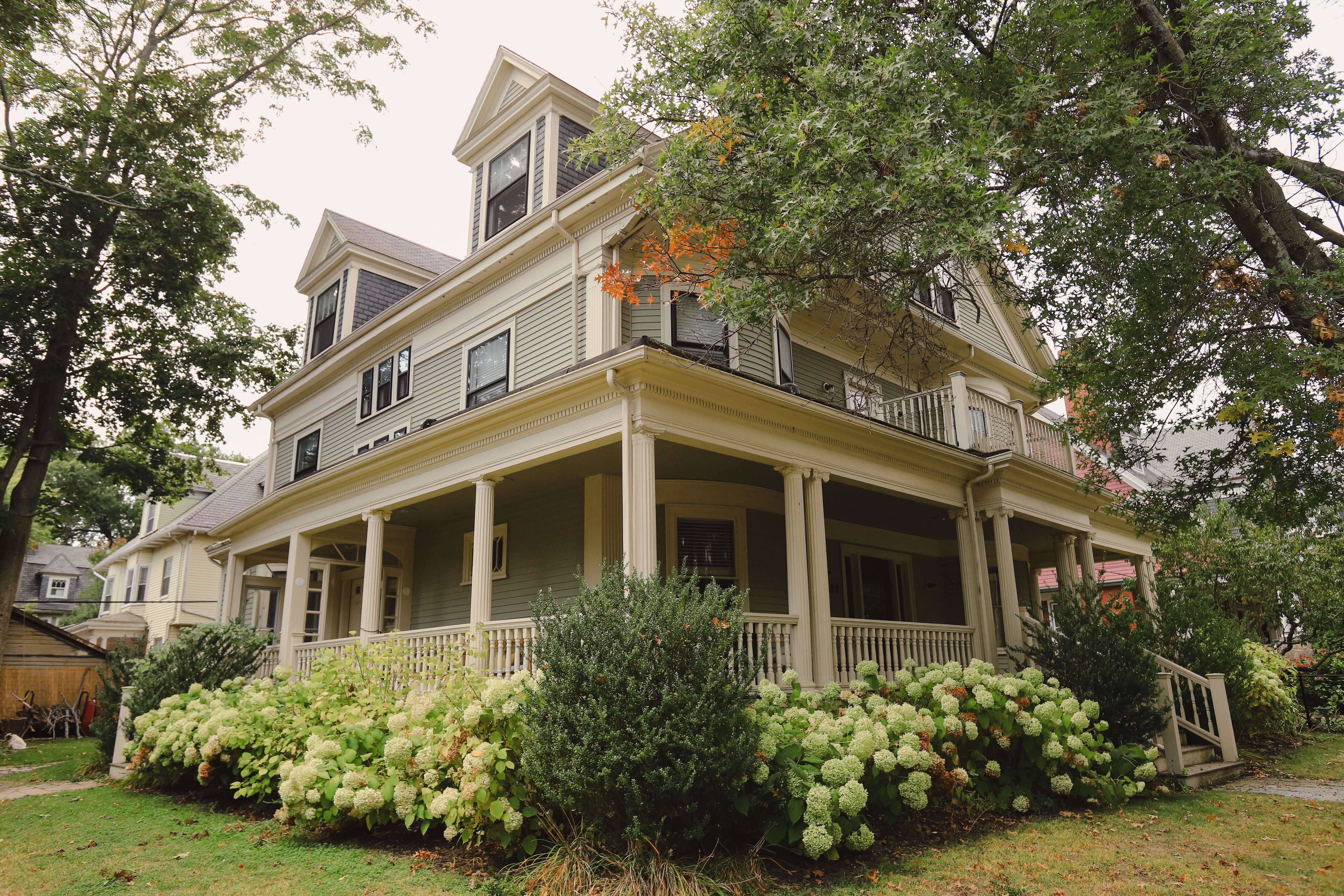
Old Village homes feature signature Charleston and low-country design: wraparound porches, screened piazzas, elevated foundations, and deep lots with mature landscaping. There's architectural uniformity (which preserves neighborhood character) and soul that comes from history and settling-in. Residents describe Old Village as "authentic Charleston" versus the newer planned feel of I'On.
Walking through Old Village at sunset, with oak trees canopying Middle Street and the smell of marsh on the breeze, feels different than walking I'On's town center with its retail storefronts and managed common areas. That neighborhood soul and authenticity commands a price premium for buyers who value it.
The Constraints
Old Village homes require Historic District Certificate of Appropriateness (COA) for exterior changes—paint colors, roof materials, window replacements, additions, and even landscaping need approval from the Historic District review board. This preserves character but slows renovations (often adding 4–8 weeks to approval timelines) and restricts your ability to modify homes as you'd like.
Homes are older (most 40+ years old), so inspections often surface aging systems—plumbing, HVAC, foundations, roofs. Renovation costs in historic homes run 30–50% higher than new construction because specialty contractors and materials are required. A kitchen renovation in a historic Old Village home can cost $75K–$150K vs. $50K–$100K in new construction.
Lot sizes are smaller (waterfront and creek-view premiums), and streets are less dense, making driving-based shopping and services less walkable than walkable town-center design. Parking at Shem Creek restaurants is tight during peak season.
The Flood Risk Picture
Some Old Village homes sit in AE (high-risk) flood zones, particularly those with marsh or creek views. Flood insurance can run $2,000–$4,500/year. Inland Old Village homes in X zones may have minimal or no required flood insurance. Always verify the FEMA zone—it's the single largest variable in total cost of ownership.
Price and Appreciation
Old Village homes range $1.5M–$3M+ depending on size, condition, views, and dock access. Appreciation runs 3–4% annually. The prestige factor and established buyer demand make Old Village a solid investment neighborhood; inventory moves steadily (30–45 day sales cycles if priced competitively).
School Districts
Wando High School (#8 in South Carolina) serves Old Village, which is a major draw for families with school-age children and an asset for resale even for buyers without kids (good school districts support home values).
Best For
Buyers who prioritize historic character and neighborhood prestige over modern convenience. Empty-nesters who want walkable lifestyle without suburban sprawl. Investors seeking established neighborhoods with reliable appreciation. Buyers comfortable with renovation complexity and willing to navigate COA restrictions.
I'On: Modern Convenience vs. Established Prestige
What I'On Is
I'On 29464 is newer—built starting 2000s—and represents modern planned-community luxury. A walkable town center anchors the neighborhood with restaurants (The Wando district), retail, coffee culture, and gathering spaces. Homes range from newer single-family to townhomes and condos. The culture is younger, more actively managed, and oriented toward community participation and organized events.
The Modern Convenience Appeal
I'On homes feature contemporary coastal design with open floor plans, efficient layouts, and modern systems. Most homes are <20 years old, so inspections are typically clean, and HVAC/plumbing/roofs are new. Families can move in without immediate renovation needs. Newer construction means modern energy efficiency, smart home potential, and built-in outdoor living (screened porches, pools, extensive decking).
The town center is a genuine third place—residents walk to restaurants, bike to school, grab coffee, and encounter neighbors. The planned community design creates walkability density that Old Village's historic-street pattern doesn't achieve as effectively.
The Constraints
I'On's organized HOA ($400–$600/month) includes robust governance and managed amenities—but also restrictive design covenants and more structured rules than Old Village. You have less individual autonomy; the HOA has strong authority over architecture, landscaping, and behavioral standards.
I'On is less "established" than Old Village—it lacks 80+ years of history and the institutional prestige that comes from being a historic neighborhood. This translates to slightly lower prestige positioning and narrower appeal if you want to position your home as a landmark or trophy property.
Short-term rental restrictions may apply (check HOA documents), limiting vacation-rental income potential compared to Old Village or Shem Creek waterfront.
The Flood Risk Picture
I'On sits mostly in X zones (minimal flood risk). Some interior streets have AE exposure; waterfront areas near the Wando have higher risk. Overall, I'On has significantly lower flood exposure than Old Village waterfront or Shem Creek waterfront neighborhoods. This means lower flood insurance costs ($0–$1,000/year for most homes) and less tidal flooding inconvenience.
Price and Appreciation
I'On homes range $1.2M–$2.8M, with newer construction or prime locations commanding top prices. Appreciation runs 3–4% annually (equal to Old Village) due to strong buyer momentum and young neighborhood demographics. Inventory moves steadily; I'On consistently attracts relocating families and professionals.
School Districts
Same as Old Village—Wando High School (#8 in SC) serves I'On. But I'On's younger demographic and family culture mean school quality and school district culture are more actively discussed. More families with school-age children means more parent networks and school community engagement.
Best For
Buyers seeking modern construction without renovation needs. Young professionals and families prioritizing convenience and organized community. Relocators wanting walkability and mixed-use amenities without historic-district constraints. Investors targeting young-family rental demand (strong demand for I'On 3–4 bedroom rentals as full-year leases).
Old Village vs. I'On: Head-to-Head Comparison
Neighborhood Character
- Old Village: Authentic, historic, established, oak-lined, creek-focused, National Register prestige
- I'On: Modern, planned, contemporary, town-center-focused, resort-amenity culture
Architecture
- Old Village: Colonial, low-country, 40+ years old, character but renovation needs
- I'On: Contemporary coastal, newer, efficient, modern systems, move-in ready
Walkability & Lifestyle
- Old Village: Creek walks, Shem Creek restaurants, park-based, outdoor activity focus
- I'On: Town center retail/dining, organized events, community amenities, social infrastructure
Flood Risk
- Old Village: AE zones common on waterfront; X zones inland. $0–$4,500/year insurance.
- I'On: Mostly X zones. $0–$1,000/year insurance. Significantly lower flood exposure.
HOA / Governance
- Old Village: Historic District COA + condo associations. $200–$250/month. Slow approval timelines. Less autonomy.
- I'On: Neighborhood HOA. $400–$600/month. Professional governance. More restrictive but faster decisions.
Price Range
- Old Village: $1.5M–$3M+. Higher waterfront premium.
- I'On: $1.2M–$2.8M. Slight discount for newer being younger neighborhood.
Appreciation
- Old Village: 3–4% annually. Prestige and established demand drive steady growth.
- I'On: 3–4% annually. Younger neighborhood momentum and broad appeal drive equal appreciation.
School Districts
- Old Village: Wando High (same as I'On). Slightly less school-family culture.
- I'On: Wando High (same as Old Village). Stronger school-parent community engagement.
Prestige Factor
- Old Village: Higher prestige. Historic designation, established reputation, prestige resale appeal.
- I'On: Modern prestige. Newer doesn't carry historic prestige but appeals to efficiency/convenience buyers.
Best For Families
- Old Village: Works for families but better for empty-nesters (historic homes less family-modern).
- I'On: Stronger family appeal. Modern homes, organized school culture, town-center activities for kids.
Best For Investors
- Old Village: Prestige appreciation, steady buyer demand, but renovation costs are high.
- I'On: Strong rental demand, lower vacancy, modern homes require less maintenance, younger demographic renters.
The Biggest Mistake Buyers Make When Choosing Between Old Village and I'On
The biggest mistake is choosing based on price alone instead of lifestyle fit. At the same $2M, the Old Village home might be smaller, older, and require renovation, while the I'On home is larger, newer, and move-in ready. Buyers see "same price" and assume the neighborhoods are equivalent—they're not.
The second mistake is underestimating the non-financial costs of historic preservation. Old Village's COA restrictions slow renovations, cost more, and limit what you can do with your home. If you want to renovate quickly or make modifications freely, I'On's faster, less-regulated approval process is dramatically less stressful.
The third mistake is overweighting prestige. Old Village carries more historic prestige, but I'On appreciates at the same rate and has lower ongoing costs (flood insurance, HOA governance, renovation needs). Prestige is valuable for some buyers and meaningless for others; don't pay for it if it doesn't matter to your happiness.
A Realistic Example
The Patels are relocating from California with a $2.2M budget, school-age children (ages 8 and 11), and desire for walkability. They tour Old Village and I'On over a weekend.
Old Village enchants them—the oak-lined streets, creek-front authenticity, and neighborhood soul feel like "real Charleston." They find a 1960s colonial ($2.1M, 3,500 sqft) with period charm and Shem Creek views. The home needs kitchen renovation, and the inspector flags some foundation settling (not dangerous, but typical for 60-year-old homes).
I'On offers a newer colonial ($2.1M, 4,500 sqft) with modern kitchen, new HVAC/plumbing/roof, resort pool, and HOA-managed common areas. The inspection is clean. It's move-in ready. The town center has family activities, and school culture is notably strong (active parent groups, organized events).
The Patels crunch numbers:
- Old Village: $2.1M purchase + $75K kitchen renovation + $4,200/year flood insurance + COA-approval delays for future updates + slower moving market if they relocate in 5 years. Total cost of ownership higher; renovation timeline longer; more stress.
- I'On: $2.1M purchase + $0 renovation + $600/year flood insurance + faster HOA approvals for future updates + strong buyer demand if they relocate. Move-in ready; lower ongoing costs; less stress.
Both neighborhoods offer Wando High School. Both appreciate 3–4%. But the Patels' life is simpler in I'On. No renovation projects hanging over their heads; no COA approval timelines; no flood insurance shock; strong parent community for the kids. They choose I'On.
Is Old Village the "better" neighborhood? For resale prestige and historic character, maybe. But for their lifestyle priorities (family with school-age kids, desire to move in without renovation, lower ongoing costs), I'On is the right neighborhood.
Frequently Asked Questions
Which neighborhood appreciates faster?
Both appreciate 3–4% annually. Equal appreciation. Don't choose based on investment upside—choose based on lifestyle fit. Both are sound investments in established neighborhoods with strong buyer demand.
Which neighborhood is better for families with school-age children?
I'On, for several reasons: newer homes don't require renovation, town center has organized family activities, strong school-parent community culture, and lower ongoing costs (flood insurance, maintenance). Old Village works for families but is better optimized for empty-nesters and buyers prioritizing historic prestige over convenience.
Which neighborhood has higher flood insurance?
Old Village, particularly homes with creek/marsh views (AE zones). Expect $2,000–$4,500/year for waterfront Old Village homes vs. $0–$1,000/year in I'On. This is a significant ongoing cost difference—$1,500/month average for Old Village waterfront vs. minimal for I'On inland.
Can you negotiate better in one neighborhood than the other?
Market conditions are nearly identical in both neighborhoods: 3.4 months supply, 75% of listings seeing price cuts, homes selling at 97% of list price (as of early 2026). Negotiating power is equivalent. Neither neighborhood is hotter or colder; both are balanced.
Which neighborhood is better for resale in 10 years?
Both are excellent for resale due to strong appreciation, established buyer demand, and top-ranked schools. Old Village carries slightly more prestige (historic designation), but I'On has younger momentum. If resale is your concern, both are sound choices—pick based on lifestyle now, and resale will take care of itself.
Is the HOA better organized in Old Village or I'On?
I'On's neighborhood HOA is more professionally managed and organized than Old Village's mixed condo associations. I'On's HOA has more authority and structure; Old Village's individual condo boards vary in professionalism. If professional governance matters, I'On has the advantage.
Which neighborhood is better for renting out homes?
I'On is stronger for full-year residential rentals (families renting for 12 months; strong demand). Old Village can support rentals but with older homes comes more maintenance responsibility for landlords. Check HOA documents in both neighborhoods—some restrict short-term rentals. For passive landlord experience, I'On is easier.
How much more expensive is Old Village than I'On?
At comparable square footage, Old Village is typically 10–20% higher due to prestige and historic character. But comparable square footage is rare—Old Village homes are often smaller (waterfront premiums reduce lot size). A $2M Old Village home might be 3,500 sqft vs. a $2M I'On home at 4,500 sqft. You're paying for prestige, not space.
Can you modify your home more easily in I'On than Old Village?
Yes. I'On HOA is restrictive but faster and more predictable than Old Village's Historic District COA process. I'On approvals typically take 2–3 weeks; Old Village COA approvals can take 4–8 weeks. If you want renovation freedom, I'On is marginally better, though both neighborhoods have design controls.
Final Answer
Old Village and I'On are both excellent Mount Pleasant neighborhoods with nearly identical appreciation, schools, and walkability. Old Village offers historic prestige, neighborhood soul, and established reputation but requires renovation comfort and COA navigation. I'On offers modern convenience, organized community, lower ongoing costs, and move-in readiness but lacks the historic prestige.
Neither is objectively "better"—they're better for different buyers. If you want authentic Charleston character and historic prestige, Old Village. If you want modern convenience, lower ongoing costs, and family-optimized community, I'On. Leah Beaulieu and BJ Rodgers with Coast2Coast Properties help you choose based on your lifestyle priorities, not just prestige or price.
About Leah Beaulieu & BJ Rodgers — Coast2Coast Properties
Leah Beaulieu and BJ Rodgers are Charleston, South Carolina real estate professionals with Coast2Coast Properties, helping buyers compare neighborhoods, understand local market differences, and find the right fit across the Charleston area. Whether you are buying your first home, relocating to the Lowcountry, or looking for investment opportunities, Leah and BJ bring local knowledge, straight talk, and a genuine commitment to helping clients make smart decisions.
Coast2Coast Properties
www.coast2coastprop.com
843-697-1409 / 803-201-4259