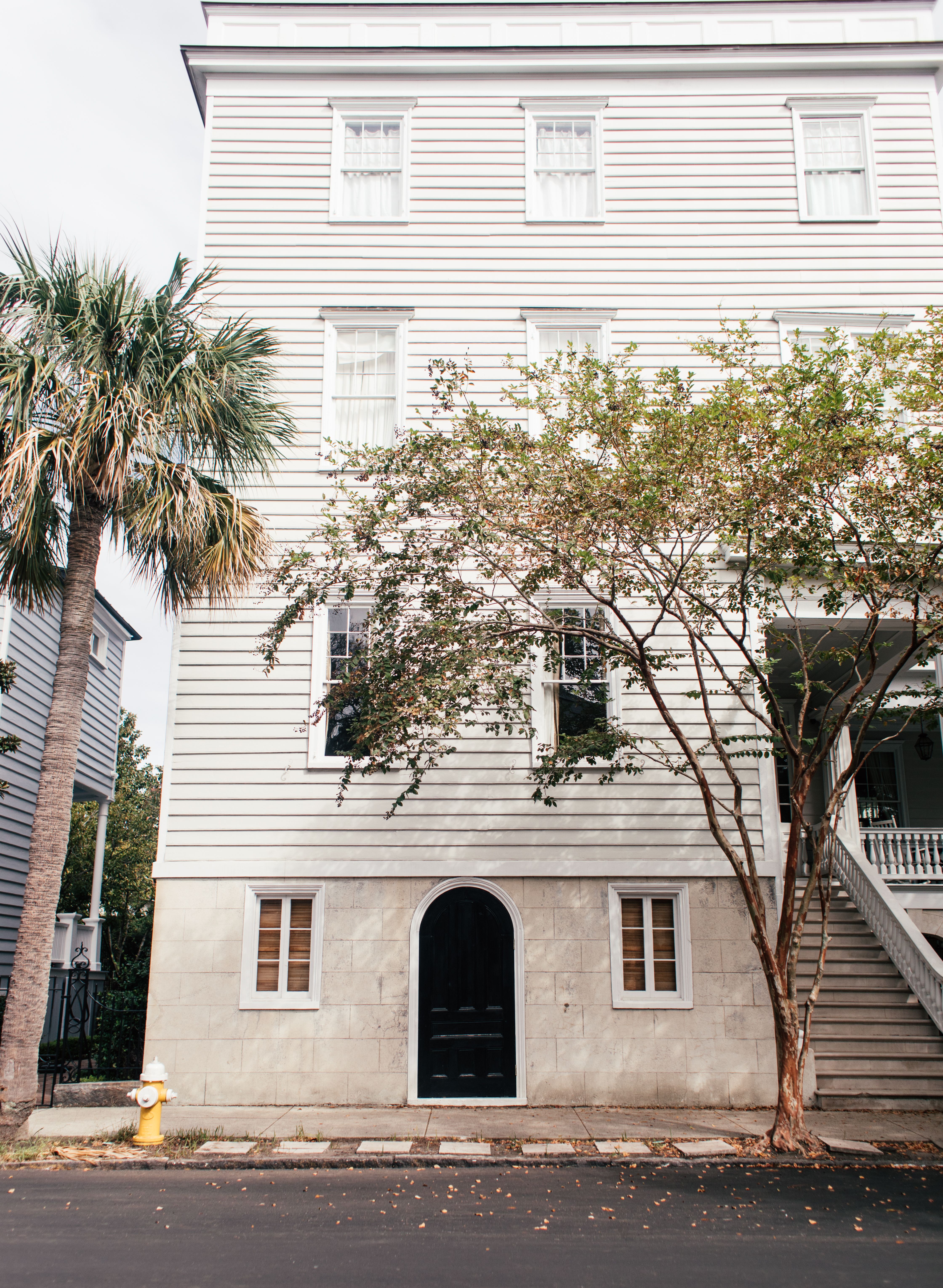
The Real Cost of Owning a Home in Charleston During Hurricane Season
The Real Cost of Owning a Home in Charleston During Hurricane Season
Hurricanes come up in every Charleston relocation conversation, but the discussion usually focuses on risk, not cost. The truth is that living in Charleston during hurricane season carries real, cumulative financial expenses that go far beyond the headline insurance premiums. For families considering a move to the Lowcountry, understanding the full cost picture—insurance, evacuation, preparation, repairs, and lost income—is essential to deciding whether Charleston's quality of life justifies the annual hurricane-season price tag.
The Short Answer
Hurricane insurance costs $1,500–$5,000+ annually on top of standard homeowners insurance, with separate deductibles for wind/hail damage
Flood insurance is a separate expense, averaging $300–$1,500 per year in FEMA-designated flood zones (required by lenders, excluded from standard homeowners policies)
Evacuation costs $1,200–$5,000 per event, including 2–3 hotel nights, gas, meals, and supplies; most families evacuate every 2–5 years
Pre-evacuation and annual prep supplies cost $200–$500 (generators, plywood, supplies, maintenance) every summer
Property damage deductibles in coastal zones are typically 2–5% of home value, meaning a 5% deductible on a $500,000 home is $25,000 out-of-pocket before insurance pays anything
Generator costs include $5,000–$15,000 installation plus fuel and maintenance, and power outages typically last 3–7 days but can extend to weeks
Lost income during evacuation can add $2,000–$5,000 if you can't work remotely during mandatory evacuation periods
Cumulative 5-year cost for the average Charleston family: $10,000–$35,000 beyond mortgage and standard insurance, compared to significantly lower costs in inland regions
Insurance: The Baseline Hurricane Cost
Most relocating families understand that Charleston insurance is expensive, but they often underestimate how much.
Homeowners Insurance Base Premiums. Standard homeowners insurance in Charleston runs $1,500–$3,500 annually for a $400,000–$500,000 home, compared to $800–$1,200 in inland areas. That's a $600–$2,300 annual premium simply because you're on the coast.
Windstorm and Hurricane Riders. Many standard homeowners policies in coastal South Carolina include a separate deductible for wind and hail damage—typically 2–5% of home value. On a $400,000 home with a 5% windstorm deductible, you're responsible for the first $20,000 of any wind or hail claim. Some insurers require windstorm coverage as a separate endorsement, adding $400–$1,000 annually. In high-risk areas, windstorm insurance alone can cost $1,500–$3,000 per year.
Flood Insurance (Required in AE Zones). If your home is in a FEMA-designated flood zone (A, AE, or VE), your lender requires flood insurance through the National Flood Insurance Program (NFIP). Premiums range from $300 to $1,500+ annually depending on your elevation and flood risk. For waterfront homes or those in high-risk zones like downtown Charleston or James Island, flood insurance can run $2,000–$5,000 per year. This is a separate policy from homeowners insurance—a required redundancy that inland homeowners never face.
Total Annual Insurance Cost. A Charleston homeowner typically pays $2,000–$6,500 annually for standard homeowners insurance, windstorm coverage, and flood insurance combined. Over a 10-year period, that's $20,000–$65,000 in insurance alone, just for living on the coast. Inland homeowners pay less than half that amount for equivalent coverage.
Sources: Home insurance rates Charleston SC | 2026 Guide, Charleston Home Insurance coverage, Charleston Hurricane Coverage Risks
Evacuation Expenses: The Hidden Annual Bill
Every few years, when a hurricane threatens, Charleston families evacuate. That event carries costs most renters never face.
Hotel Costs. When mandatory evacuation is ordered, families typically drive 50–100 miles inland to towns like Aiken, Columbia, or North Carolina. A 3-night hotel stay at $100–$200 per night costs $300–$600. Pet-friendly hotels (essential for families with animals) often run $150–$250 per night, pushing the cost to $450–$750 for three nights. Many families book two rooms or higher-end hotels to be comfortable, raising the total to $600–$1,200 per evacuation.
Meals and Gas. During evacuation, families eat out for 3–5 days and drive 100–300 miles, spending $200–$400 on fuel and $300–$500 on meals. Total: $500–$900 per evacuation event.
Supplies and Contingencies. Before evacuation, families stock up on gas, batteries, water, non-perishables, and emergency supplies: another $100–$300. Some families book hotel rooms in advance with refundable cancellation as insurance—paying upfront even if the storm misses, burning $300–$600 annually just for the option to evacuate.
Cumulative Evacuation Cost. One evacuation costs $1,200–$2,500. If a major hurricane threatens Charleston every 2–3 years on average, and families evacuate every 3–5 years on average, that's $300–$800 per year in direct evacuation costs. Some years, it's zero; other years, it's $2,500+.
Sources: Hurricane Matthew Cost of Evacuation, SCEMD Hurricane Evacuation Guide
Annual Preparation: The Pre-Season Bill
Long before evacuation happens, Charleston homeowners spend money on annual hurricane prep.
Supplies and Maintenance. Pre-cutting plywood boards ($100–$200), storing fuel ($50–$100), purchasing batteries and flashlights ($50–$100), stocking water and non-perishables ($50–$100), and servicing generators ($200–$300 annually) add up quickly. Most families spend $300–$500 every summer getting ready.
Roof and Gutter Maintenance. The salt-air coastal environment ages roofing and gutters faster than inland areas. Roof inspections ($100–$300), gutter cleaning ($150–$300), and preventive repairs ($300–$1,000) happen annually or every other year. A new roof in Charleston costs $8,000–$15,000 compared to $6,000–$10,000 inland, partly because coastal roofing must meet stricter wind standards.
Impact Window and Shutter Installation. If you don't already have impact windows or shutters, the upfront cost is $10,000–$30,000+. Many buyers prioritize this upgrade immediately after purchase, factoring it into their first-year costs.
Generator Installation and Maintenance. A whole-home generator costs $5,000–$15,000 installed plus $200–$400 annually for service and fuel. Many families also keep portable generators ($500–$2,000 each) as backup.
Property Damage and Deductibles
When a hurricane does strike, the financial impact extends beyond just repair costs.
High Deductibles. Coastal homeowners' wind/hail deductibles are 2–5% of home value. On a $500,000 home, a 5% deductible means you pay $25,000 out-of-pocket before your insurance covers anything. Even a minor hurricane can trigger deductibles of $10,000–$25,000 for homes in AE zones.
Underinsurance Risk. Many Charleston homeowners discover after a hurricane that their coverage limits are too low or exclusions (like water damage) mean their insurance only partially covers repairs. A $50,000 hurricane-related repair might result in $15,000–$25,000 in out-of-pocket costs after deductibles and coverage gaps.
Time and Labor Costs. Documenting damage for insurance claims, managing contractors, living in a partially damaged home during repairs, and coordinating with multiple service providers costs time and money. Some families hire restoration contractors ($2,000–$5,000) just to manage the process.
Lost Income During Evacuation
For working families, mandatory evacuation has another cost: lost income.
Remote Work Limitation. If your employer doesn't allow remote work from out-of-state during evacuation, you lose income for the 2–5 days you're away from Charleston. For a family with a single earner making $100,000 annually, 5 evacuation days represents $2,000–$3,000 in lost income. With two earners, it's $4,000–$6,000.
Irregular Evacuation Schedule. You can't predict when evacuations will happen or how long you'll be away. Unlike a scheduled week off, evacuation days are unpredictable, making it hard for some employers to allow remote work accommodation.
Business Owner Impact. Self-employed individuals and small-business owners face the biggest income hit during evacuation. A contractor or service business that loses a week of work might lose $5,000–$15,000 in revenue.
Regional Comparison: Charleston vs. Inland
To put Charleston's costs in perspective, compare a $500,000 home in Charleston to an equivalent inland property:
Charleston Annual Costs (approximate): Homeowners insurance $2,500, windstorm coverage $800, flood insurance $1,200, prep supplies/maintenance $400, generator service/fuel $300. Total: ~$5,200/year baseline + evacuation costs when they occur.
Inland Annual Costs (approximate): Homeowners insurance $1,000, property maintenance $300 (no coast-specific wear), no flood insurance, no windstorm rider, no generator required. Total: ~$1,300/year.
Difference: ~$3,900/year for Charleston, or $39,000 over 10 years—before accounting for evacuation costs, property damage deductibles, or lost income.
FAQ: The Financial Reality of Charleston Hurricane Costs
Q: Do I really need flood insurance if I'm not in a flood zone?
A: If your lender doesn't require it (you're not in an AE or VE zone), flood insurance is optional but highly recommended. Many Charleston homeowners are surprised to learn that standard homeowners insurance does not cover any water damage from storms, flooding, or rain infiltration. A single flood event can cost $50,000+; flood insurance might cost only $300–$600 annually.
Q: How often do I actually need to evacuate?
A: On average, Charleston has a direct hurricane hit every 30–50 years, but evacuations are ordered more frequently (every 5–10 years) for near-misses and major storms. You might evacuate 2–3 times over 10 years or zero times.
Q: Can I reduce my insurance costs?
A: Yes. Impact windows and storm shutters can reduce windstorm insurance by 25–45% (up to $400–$1,000 annually saved). Raising your deductible or bundling home and auto insurance can save $200–$400 annually.
Q: Should I get a generator?
A: If you value backup power during outages (3–7 days is typical), a generator is worth it. Budget $5,000–$15,000 for installation and $300–$400 annually for maintenance and fuel. Without one, you're relying on neighbors' generators or waiting for utility restoration.
Q: What happens if I can't afford to evacuate?
A: South Carolina provides emergency shelters through the Department of Social Services and the American Red Cross. Evacuation is not mandatory if you choose to stay, but you risk being without power, water, or emergency services for 1–2 weeks.
A Realistic Example: The Chang Family's Hurricane Costs
The Changs moved to Charleston from Ohio in 2023 and bought a $450,000 home in Mount Pleasant (outside flood zone but coastal).
Year 1 Costs:
- Homeowners insurance: $2,200
- Windstorm rider: $600
- Flood insurance (purchased voluntarily): $450
- Pre-evacuation prep supplies: $400
- Generator service and fuel: $250
- Hurricane season total: $3,900
Year 2 (Hurricane Year):
- Annual insurance and prep: $3,900
- Evacuation (3 nights in Aiken): $1,200
- Evacuation gas and meals: $500
- Minor roof damage deductible: $15,000 (5% of home value)
- Hurricane year total: $20,600
5-Year Cost (including 1 evacuation year):
- 5 years of baseline costs: $19,500
- 1 evacuation event: $1,700
- Property damage deductible (1-time): $15,000
- 5-year total: $36,200 in hurricane-related expenses alone
The Changs' equivalent $450,000 home in Columbus would cost $1,300 annually for insurance and maintenance. Over 5 years, that's $6,500—a difference of nearly $30,000 in favor of staying inland.
Final Answer
The cost of owning a home in Charleston during hurricane season extends far beyond insurance premiums. When you sum annual insurance ($2,000–$6,500), annual prep and maintenance ($300–$500), evacuation expenses ($300–$800/year average), and the unpredictable costs of property damage deductibles and lost income, a realistic 5-year hurricane cost for a Charleston family is $10,000–$35,000 beyond mortgage and standard maintenance.
For buyers relocating from inland regions, this is a significant financial consideration. It's not a deal-breaker—many families find that Charleston's quality of life, community, and real-estate value justify the hurricane-season costs. But it's not a cost that should be ignored or minimized in the relocation decision. Budget honestly, understand your insurance requirements, and decide whether Charleston's appeal outweighs the annual hurricane-related expense.
About Leah Beaulieu & BJ Rodgers — Coast2Coast Properties
Leah Beaulieu and BJ Rodgers are Charleston, South Carolina real estate professionals with Coast2Coast Properties, helping buyers compare neighborhoods, understand local market differences, and find the right fit across the Charleston area. Whether you are buying your first home, relocating to the Lowcountry, or looking for investment opportunities, Leah and BJ bring local knowledge, straight talk, and a genuine commitment to helping clients make smart decisions.
Coast2Coast Properties
www.coast2coastprop.com
843-697-1409 / 803-201-4259