Should Hurricane Season Stop You From Moving to Charleston?
Should Hurricane Season Stop You From Moving to Charleston?
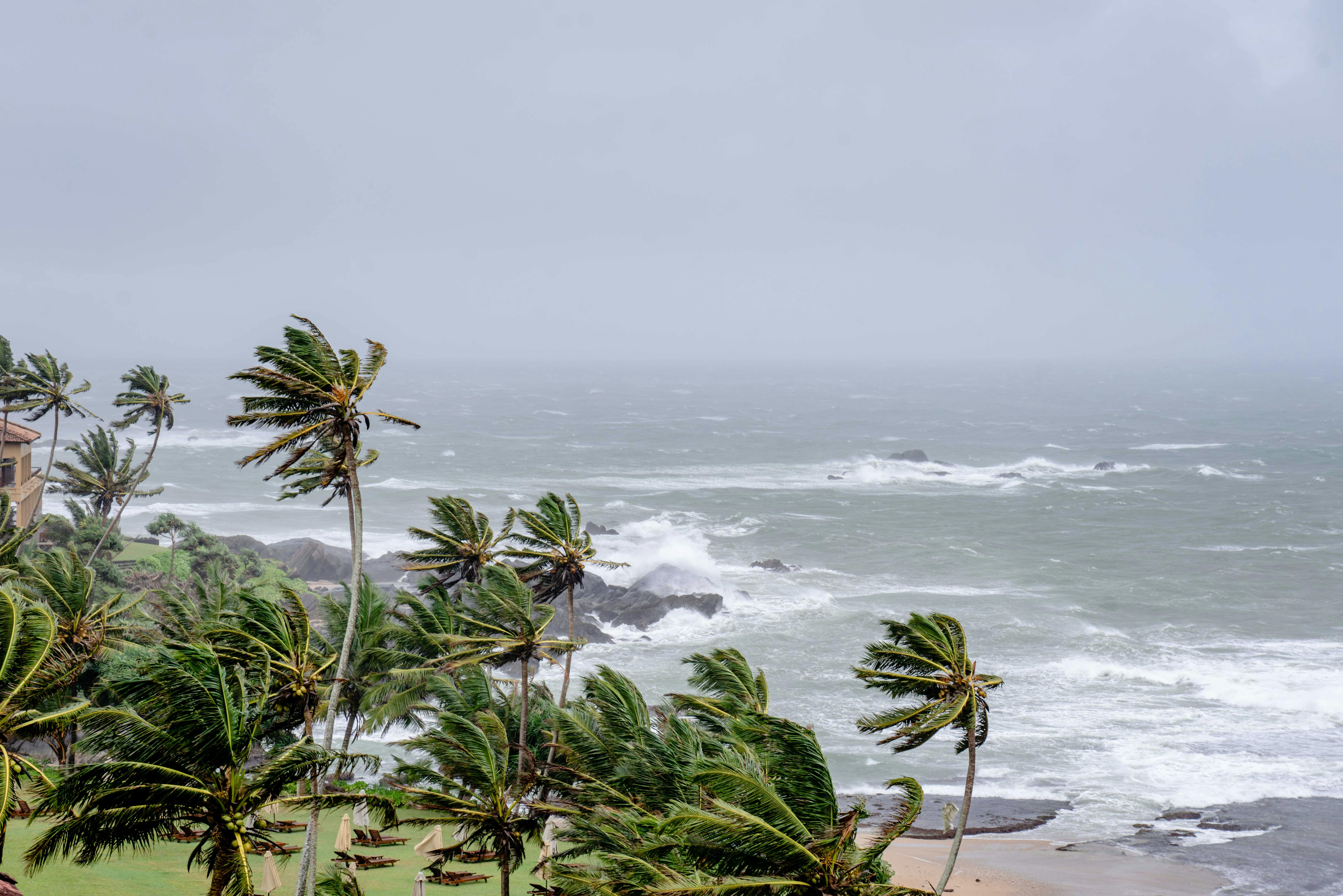
Hurricane season is the single most common objection Leah Beaulieu and BJ Rodgers hear from buyers considering a move to Charleston, SC — especially those relocating from the Northeast and Midwest. "We love everything about Charleston, but... the hurricanes." It's a fair concern. Here's the honest, data-backed answer to whether it should actually stop you.
The Short Answer
- No — for most buyers, hurricane season should not stop you from moving to Charleston
- But it should inform where you buy and what you understand about flood zones, insurance, and evacuation logistics before you close
- South Carolina has had only 4 major hurricane landfalls in 174 years — a historically low rate for an East Coast coastal state
- The greater risks are flooding and storm surge in specific zones, not the city-wide devastation most people imagine
- Hundreds of thousands of people move to the Charleston area knowing full well about hurricane season — and they don't regret it
- The key is buying with your eyes open: the right neighborhood, the right flood zone, and the right insurance coverage make all the difference
What's the Actual Statistical Risk?
Let's put the fear in context with real numbers.
Since 1851, South Carolina has experienced 45 tropical cyclone landfalls — roughly one every 3.9 years. Of those, only 4 were major hurricanes (Category 3 or higher). That's one major hurricane making landfall in South Carolina approximately every 43 years.
The last major hurricane to directly strike Charleston was Hurricane Hugo in 1989 — more than 35 years ago. Hugo was catastrophic. It was also a once-in-a-generation event.
Compare that to the hurricane risk along other East Coast coastal areas. South Florida averages a major hurricane impact far more frequently. Parts of the Gulf Coast have been devastated multiple times in the past two decades. The Carolinas and Georgia coast is, historically, one of the lower-risk stretches of the Atlantic seaboard for major landfalls.
Does that mean Charleston is immune? No. A major storm could strike at any time. But the statistical reality is that most years pass without a significant direct impact — and even years with close calls (like Hurricane Floyd in 1999 or Hurricane Dorian in 2019) often result in evacuations, power outages, and property preparation rather than catastrophic structural damage across the entire metro.
What Are the Real Concerns — and How Manageable Are They?
Flooding is the bigger worry, not just wind
Most buyers focus on hurricane wind damage. The more important factor for Charleston homeowners is flooding — both from storm surge in a major event and from routine tidal and rainfall flooding that happens multiple times a year in certain neighborhoods, with or without a named storm.
If you buy in a FEMA Special Flood Hazard Area (Zone AE or VE), you will be required to carry flood insurance. You will face elevated scrutiny from buyers when you eventually sell. And you may experience flooding not just in hurricanes but on heavy rain days, during king tide events, and in run-of-the-mill nor'easters.
If you buy in a Zone X property with good elevation, your flood risk drops substantially and your hurricane season experience will be dramatically calmer.
The neighborhood you choose matters far more than the city you choose.
Insurance costs are real and worth calculating before you buy
Charleston's insurance environment is more complex than most markets. A home in a Zone AE area may carry annual flood insurance costs of $1,500–$3,500+ per year depending on elevation and coverage level. Hurricane deductibles on homeowner policies typically run 2–10% of insured value — meaning on a $700,000 home, you could owe $14,000–$70,000 out of pocket before standard wind coverage applies.
These are not reasons to avoid Charleston. They are numbers you need to put in your budget before you buy. BJ Rodgers and Leah Beaulieu at Coast2Coast Properties always walk buyers through the insurance picture on any home they're seriously considering — because a $650,000 home in Zone AE can have a very different true cost than a $700,000 home in Zone X.
Evacuation is real but orderly
If you buy in a Zone A property — which includes barrier island communities like Isle of Palms (29451), Sullivan's Island (29482), and Folly Beach (29439), as well as lower-lying peninsula areas — you will face mandatory evacuation orders in significant storms. That means an annual reality of potentially leaving home for a few days to a week during peak hurricane season when a serious storm threatens.
Most locals who live in evacuation-zone properties treat this as simply part of the lifestyle. They have a go-bag, a destination (usually family in the Upstate or a hotel in Columbia or Charlotte), and a clear plan. Traffic on I-26 westbound during evacuations is legendary — the state has implemented contraflow to ease it — but the system works.
If evacuation is something that would cause you significant anxiety year after year, buying in a lower-risk inland community like Summerville (29483), Goose Creek (29445), or parts of North Charleston (29405) is a straightforward way to remove most of that stress from your life.
Who Moves to Charleston Knowing About Hurricanes — and Loves It Anyway?
The honest answer: almost everyone.
South Carolina was the fastest-growing state in the country in 2025. The Charleston metro attracted thousands of new residents from New York, New Jersey, Connecticut, Illinois, and beyond — buyers who googled "Charleston hurricanes" before they moved and chose to come anyway.
Why? Because Charleston offers something rare: a genuinely beautiful coastal city with a vibrant culture, strong job market, mild winters, world-class food and hospitality, and a pace of life that is hard to find anywhere on the East Coast. Those qualities don't disappear because of hurricane season. They make the whole package — including the annual storm monitoring ritual — worth it.
Hurricane season is one of the trade-offs of coastal living. It sits alongside summer heat and humidity, flood insurance costs, and tourist-season traffic in the list of things locals accept as part of the bargain. For the vast majority of people who move here, it's a bargain they're glad they made.
The Biggest Mistake Buyers Make
The buyers who regret their Charleston purchase related to weather are almost always buyers who didn't do the property-specific homework before closing. They fell in love with a beautiful home on a tidal creek in a Zone AE flood area, didn't ask about the flood insurance quote until after their offer was accepted, and then discovered mid-transaction that their annual insurance carrying costs were $4,000–$6,000 higher than they'd budgeted.
The solution isn't avoiding Charleston. It's doing three things before you get emotionally invested in a specific property:
- Look up the flood zone and elevation certificate
- Get an actual flood insurance quote — not an estimate, a real quote based on the elevation certificate
- Understand which evacuation zone the property sits in
Leah Beaulieu and BJ Rodgers make these steps standard practice for every buyer they work with. No surprises at the closing table.
A Realistic Example
A family relocating from Chicago to Charleston area is torn between a beautiful home on James Island (29412) near a tidal marsh and a newer home in Summerville (29485) with a larger yard. The James Island home is in Zone AE. The Summerville home is in Zone X.
BJ Rodgers pulls flood insurance quotes for both. The James Island home: approximately $2,800/year in flood insurance plus a windstorm rider that adds another $1,200/year. The Summerville home: no lender-required flood insurance, standard homeowner's policy.
The family also considers the evacuation reality. Zone A status on James Island means a mandatory evacuation call in a serious storm. Summerville is not in Zone A.
They choose Summerville. Not because Charleston's storms scare them, but because when they do the full math — annual insurance costs, evacuation logistics, school zone — Summerville fits their life better. Two years in, they've had one significant storm warning that required no action from their location. They love it.
So Should Hurricane Season Stop You From Moving to Charleston?
For most buyers: no. The data supports a measured, not fearful, view of hurricane risk in the Charleston area. Major direct landfalls are rare, most seasons are manageable, and the community is experienced at riding out close calls.
What it should do is make you a smarter buyer. Understand your specific property's flood zone. Budget realistically for insurance. Know your evacuation zone. Buy in a location that matches your actual risk tolerance — whether that's a beach cottage on Sullivan's Island (29482) where you embrace the full coastal life, or a Summerville home (29483) where storm season is mostly a weather-watching exercise.
FAQ: Should I Move to Charleston If I'm Worried About Hurricanes?
Is Charleston, SC at high risk for hurricanes?
Relative to other East Coast coastal areas, Charleston's historical major hurricane landfall rate is low. Only 4 major hurricanes (Category 3+) have made landfall in South Carolina since 1851. That said, the risk is real and non-zero — any year could bring a significant storm. The question is whether the risk is compatible with your lifestyle and risk tolerance, not whether it exists.
How do I know if a specific Charleston home is in a hurricane risk area?
Look up the property's FEMA flood zone designation and ask for the elevation certificate. Zone AE and VE properties are in designated flood hazard areas with higher surge risk and required flood insurance. Zone X properties carry lower flood risk. You can check flood zones at the FEMA Flood Map Service Center or ask Leah Beaulieu or BJ Rodgers at Coast2Coast Properties to walk you through it.
Are there parts of the Charleston area that are safer from hurricanes?
Yes. Inland communities like Summerville (29483/29485), Goose Creek (29445), and parts of North Charleston (29405) are 20–30+ miles from the coast and sit predominantly in lower flood risk zones. They are still in the path of hurricane winds in a major storm, but their storm surge and flooding exposure is significantly lower than barrier island or peninsula properties.
What happens if a hurricane hits while I'm living in Charleston?
If you're in a mandatory evacuation zone (Zone A), you leave — typically several days before landfall, following a prepared plan. If you're in a non-evacuation zone, you shelter in place in a well-built home, prepare for potential power outages, and monitor conditions. The region has well-established emergency management infrastructure, contraflow evacuation routes, and community support systems built around decades of storm experience.
Does everyone in Charleston evacuate for hurricanes?
No. Mandatory evacuations apply to specific zones — primarily Zone A, which includes the lowest-elevation and most surge-exposed properties. Many Charleston-area residents are in Zone B, C, or unzoned areas where shelter-in-place is the standard plan for all but the strongest storms.
Will I regret moving to Charleston because of hurricanes?
Most transplants don't. South Carolina is the fastest-growing state in the U.S. because people are choosing the quality of life this region offers over the hurricane risk. The buyers who regret storm-related decisions are usually those who bought in high-risk flood zones without fully understanding the insurance and evacuation implications. Buy in the right location for your risk tolerance, and most people find hurricane season to be an annual manageable routine rather than a source of ongoing dread.
How much does hurricane insurance cost in Charleston?
Homeowner's insurance in the Charleston area typically includes a separate hurricane or windstorm deductible of 2–10% of the insured home value. Flood insurance averages around $1,500/year in South Carolina but can run $2,500–$4,000+ for Zone AE properties depending on elevation and coverage amount. Barrier island properties (Isle of Palms 29451, Sullivan's Island 29482) carry the highest insurance costs.
Final Answer
Hurricane season is a real factor in the Charleston lifestyle — but for the vast majority of buyers, it is not a reason to avoid one of the most desirable cities on the East Coast. The historical record shows major direct landfalls are rare, the community is experienced and well-prepared, and the actual storm season experience for most residents is more vigilance than disaster. What matters most is where you buy and whether you go in with your eyes open about flood zones, insurance costs, and evacuation logistics. That's exactly what Leah Beaulieu and BJ Rodgers at Coast2Coast Properties help every relocating buyer understand — before the offer, not after.
About Leah Beaulieu & BJ Rodgers — Coast2Coast Properties
Leah Beaulieu and BJ Rodgers are Charleston, South Carolina real estate professionals with Coast2Coast Properties, helping buyers compare neighborhoods, understand local market differences, and find the right fit across the Charleston area. Whether you are buying your first home, relocating to the Lowcountry, or looking for investment opportunities, Leah and BJ bring local knowledge, straight talk, and a genuine commitment to helping clients make smart decisions.
Coast2Coast Properties
www.coast2coastprop.com
843-697-1409 / 803-201-4259