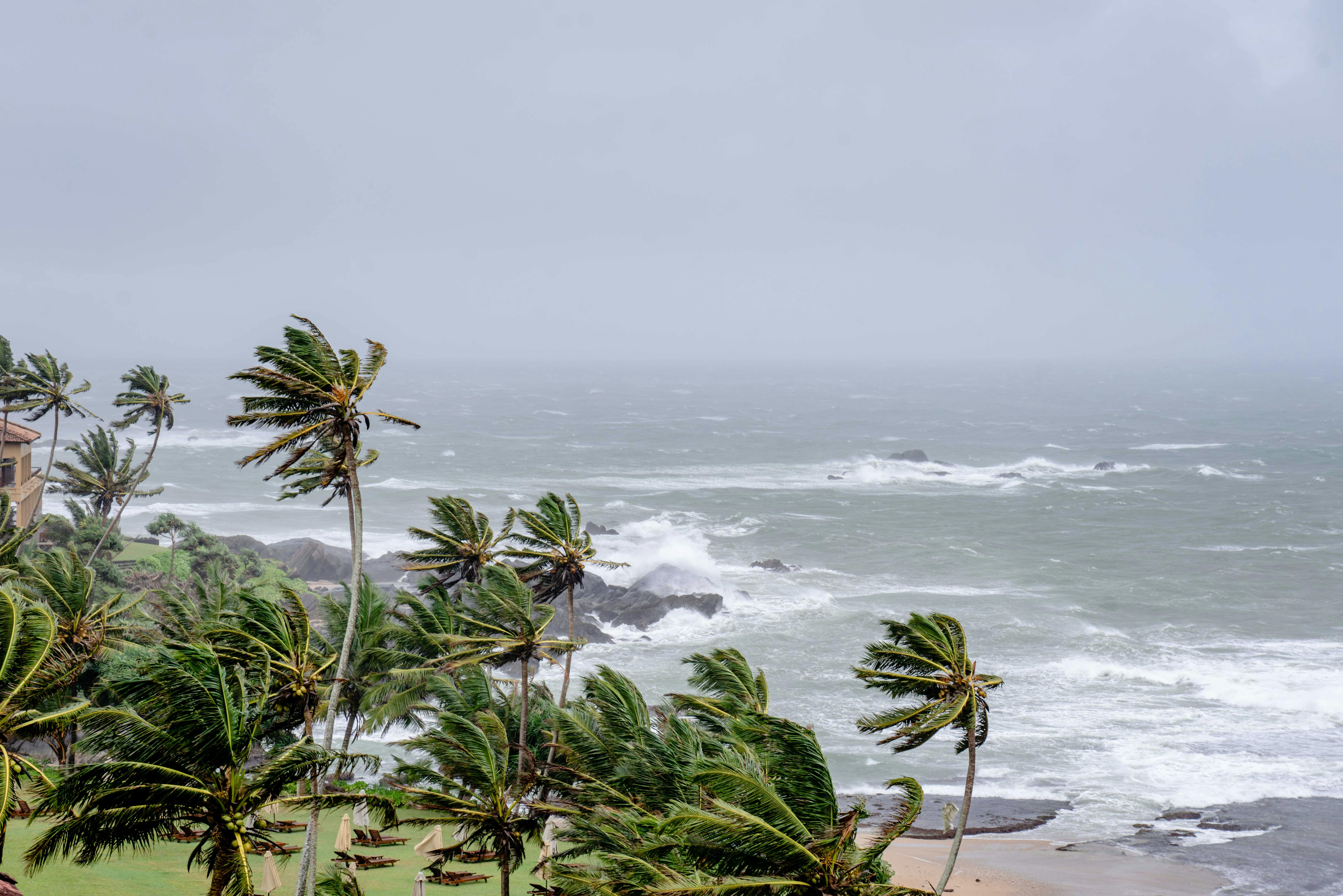
Should Hurricanes Stop You From Moving to Charleston?
Should Hurricanes Stop You From Moving to Charleston?
For many people considering a move to Charleston, the answer to this question determines everything. It's the objection that doesn't show up in a real estate listing, but it sits in the back of the mind during every neighborhood tour: Is living here worth the hurricane risk?
The short answer is yes—for most people—but this decision isn't automatic. It depends on understanding the actual risk, weighing it against what you gain by moving to Charleston, and deciding consciously whether the tradeoff is worth it to you personally.
The Short Answer
Charleston's hurricane risk is real but statistically manageable
Direct hits from major hurricanes are rare: only 4 since 1851, the last in 1989
The city ranks high in national hurricane risk, but so do other desirable coastal cities (Wilmington, Savannah, Miami)
Charleston's infrastructure, community resilience programs, and preparedness are robust
Every $1 invested in resilience reduces economic costs by $16—the city prioritizes protection
Most residents who stay do so because the lifestyle and community benefits outweigh the risk
Hurricanes should not stop you from moving here—but informed preparation should not stop you from preparing
The Actual Risk: Data, Not Fear
Charleston faces a real hurricane risk. The data does not hide this. Charleston's hurricane risk index stands at 99.6 on a scale where 100 is maximum risk—putting it among the highest in the nation. The city has 85,730 homes at risk of hurricane damage. These are not scare statistics; they are facts that frame the honest conversation.
However, the conversation becomes clearer when you look at what "risk" actually means historically. Since 1851, South Carolina has been impacted by 255 tropical systems. Of those 255 systems, only 4 major hurricanes (Category 3 or higher) made direct landfall—the Great Charleston Hurricane of 1893, Hurricane Hazel in 1954, Hurricane Gracie in 1959, and Hurricane Hugo in 1989. The last major direct hit was 1989. That is 37 years ago.
South Carolina faces a 79.7% chance of being impacted by a tropical system in any given year, even if it doesn't track directly through the state. But "impacted" can mean a passing storm, a tropical storm, or effects from a distant hurricane. Direct hits by major hurricanes remain rare.
How Charleston Compares to Other Desirable Coastal Cities
If you're considering Charleston versus another coastal city, hurricane risk should be only one of several factors—and it's not necessarily the deciding one.
Charleston vs. Wilmington, NC: Wilmington has 116,968 homes at risk of hurricane damage—more than Charleston—yet it remains a popular relocation destination.
Charleston vs. Savannah, GA: Savannah faces similar hurricane risk as Charleston, positioned on the Georgia coast with similar storm exposure. Both cities manage the same seasonal reality.
Charleston vs. Miami/South Florida: Miami-Dade County ranks 100 on hurricane risk (maximum), and Broward and Palm Beach counties rank 99.9. South Florida's risk is quantifiably higher than Charleston's, yet millions live there.
Charleston vs. Inland Cities: Cities without hurricane risk face different weather challenges: tornado zones (Texas, Oklahoma), ice storms (upper Midwest), severe winter weather (Northeast), wildfires (West Coast). No coastal city escapes weather risk; it just takes different forms.
The real question is not whether Charleston has hurricane risk. It does. The question is whether the hurricane risk in Charleston is worth it compared to living somewhere else—a calculation that includes what you gain by being here.
What You Actually Gain When You Move to Charleston
The tradeoff for hurricane risk in Charleston is a lifestyle and community that most residents would not trade:
Authentic Historic Character: Charleston's architecture, streets, and culture are not manufactured—they have been built and refined over centuries. The downtown waterfront, the neighborhoods, the restaurant scene, and the genuine community feel are built from real history, not theme-park replication.
Accessible Coastal Living: You get beach access, barrier islands (Sullivan's Island, Isle of Palms), and waterfront living without the expense premiums of Miami, Southern California, or the Northeast Coast. A similar home in many other coastal cities costs 30–50% more.
Year-Round Outdoor Lifestyle: Nine months of excellent weather. Winters are mild. The outdoor culture—sailing, walking, biking, outdoor dining—is year-round for most residents. This isn't just a summer destination; it's livable nearly every day of the year.
Strong Sense of Community: Charleston has real community identity. Neighbors know each other. Local events are attended by locals, not tourists. The combination of history, walkability, and authentic culture creates a sense of belonging that many relocating families credit as the primary reason they stay.
Economic Value: Real estate in Charleston appreciates steadily. The job market is diverse and growing. The cost of living is reasonable compared to similarly desirable cities.
Charleston's Resilience: Infrastructure and Investment
If you're weighing hurricane risk, you should know that Charleston is actively investing in resilience, not hoping for the best.
Charleston became a Resilient America pilot community in 2014 and has developed a comprehensive resilience framework. The city is investing $19.7 million in stormwater infrastructure grants and partnering with the U.S. Army Corps of Engineers to build "holistic solutions to storm surge, high tides, and rainfall."
Research from the city's resilience program shows that every $1 invested in resilience reduces economic costs by more than $16. This is not a side project for the city; it is a core strategic priority. Infrastructure and pre-disaster mitigation ranks as the single greatest driver of long-term value for the community.
During Hurricane Ian (2017) and Hurricane Irma (2017), the city deployed the Disaster Recovery and Resilience Corps (DRRC) to rapidly connect survivors with resources, accelerating recovery times significantly compared to communities without this infrastructure.
For relocating families, this means your new home is in a city that treats hurricane preparation and recovery as a responsibility—not an afterthought.
A Realistic Example
Tom and Linda, both age 58, relocated to Charleston from Boston in 2022 to escape harsh winters and be near their grandchildren. Their first hurricane season (2022–2023) was quiet, which they appreciated. During the 2024 season, a tropical storm passed through, requiring one evening of boarding windows and generator preparation. The storm passed west; they saw rain and minor wind. They spent one week without power. Their homeowner's insurance covered wind damage to their roof trim.
When asked if the hurricane risk was worth it, Tom's answer was immediate: "Yes. We've spent seven years here now. The weather risk is real, but we've lived through one tropical event. We have power back, our insurance handled the damage, and we have nine months every year where we can sit on our back porch with perfect weather." Linda added, "The community is worth it. We know our neighbors. We go to the farmer's market every Saturday. We didn't have this kind of life in Boston."
For Tom and Linda, the tradeoff was clear once they experienced it firsthand.
Addressing the Real Costs of Hurricane Risk
Honesty requires acknowledging the financial and practical costs that come with living in Charleston:
Insurance Premiums: Coastal homeowner's insurance is significantly higher than inland. For homes in flood zones (AE zones), you'll pay flood insurance premiums on top of standard coverage. Annual insurance costs can be $2,000–$4,000 for the same home that would cost $1,200 inland.
Evacuation Disruption: If your zone requires evacuation, you may need to leave for several days, staying in hotels or with family, along with gas costs and time away from work. This happens infrequently but can cost $1,000–$3,000 per event.
Elevation and Reinforcement Requirements: New construction in flood zones requires elevated foundations, reinforced mechanical systems, and other hurricane-ready upgrades. These add 5–15% to construction costs.
Property Maintenance: Coastal environment accelerates wear on roofing, exterior paint, and HVAC systems. Annual maintenance costs run higher than inland homes.
Potential Property Damage: Major storms can cause damage—roof damage, flooding, structural problems. Even with insurance, deductibles can be $3,000–$5,000 or higher. Major storms (rare) can cause significant losses for uninsured or underinsured properties.
Over a 30-year ownership period, the cumulative cost of insurance premiums, maintenance, evacuation costs, and potential damage is significant—perhaps $200,000–$500,000 more than you'd spend in an inland city for a similar home.
The question becomes: Is the Charleston lifestyle worth an additional $6,000–$16,000 per year compared to living inland?
For most long-term residents, the answer is yes. For some, it's a dealbreaker.
Who Should Not Move to Charleston Because of Hurricanes
There are real reasons for someone to decide the hurricane risk is not worth it:
If you cannot emotionally accept weather uncertainty. If the idea of potential storms creates constant anxiety, Charleston will not feel like home, no matter how beautiful it is. Anxiety does not disappear once you relocate; it often intensifies.
If your financial situation cannot absorb additional insurance costs or potential property damage. If your budget is extremely tight, the additional costs of coastal living may not be realistic.
If your employment or family situation requires specific geographic stability. If you might need to leave quickly or cannot commit long-term, the cost of establishing a home here may not make sense.
If you have specific vulnerabilities. Elderly relatives with mobility issues who would struggle with evacuation, or people with health needs that require dependable infrastructure, need to carefully consider whether the logistics of hurricane preparation and potential evacuation are manageable.
Who Should Move to Charleston Despite Hurricane Risk
Conversely, hurricane risk should not stop you if:
You're attracted to the community itself. If Charleston's walkability, history, culture, and community are what drew you, and you've made an informed decision about the hurricane risk, then the tradeoff is worth it. Most long-term residents describe the community as the reason they stayed.
You can afford the true cost of coastal living. If insurance premiums, maintenance, and potential damage are budgeted for and not a financial strain, the financial tradeoff becomes manageable.
You're comfortable with preparedness routines. If you can view hurricane preparation as a seasonal routine rather than a constant threat, you'll integrate the season into your annual rhythm rather than living in fear.
You're relocating for a lifestyle change. If you're leaving a harsh-weather region (northern winters, tornado zones) and considering the weather tradeoff, Charleston's nine months of excellent weather often make the six-month hurricane risk feel like a reasonable exchange.
You value long-term stability. If you're moving to Charleston to stay (not a short-term experiment), the infrastructure investments, community stability, and real estate appreciation over decades often make the risk worth it.
The Bottom Line: An Informed Choice, Not a Regrettable One
Hurricane risk in Charleston is real. The statistics are clear. The costs are quantifiable. The preparation requirements are necessary and annual.
But so is the lifestyle, the community, the weather, and the quality of life that draw people to Charleston and make them stay despite the risk.
The families who regret moving to Charleston are often those who didn't take the hurricane risk seriously—who moved here for the beaches without understanding the six-month season, insurance requirements, and evacuation procedures. The families who thrive are those who made an informed choice, implemented their plan, and decided the Charleston lifestyle was worth the tradeoff.
Hurricanes should not stop you from moving to Charleston—but they should motivate you to move here with your eyes open, your finances prepared, and your commitment real.
Frequently Asked Questions About Hurricanes and Relocating to Charleston
Q: Are hurricanes getting worse or more frequent in Charleston?
A: The data on frequency is mixed. Charleston hasn't had a major direct hit since 1989. Seasonal activity varies year to year based on ocean temperatures and atmospheric conditions. Climate change may affect hurricane intensity in the Atlantic, but Charleston's long-term protection investments are designed to manage future risk.
Q: Will my insurance costs be prohibitive?
A: For non-flood-zone homes, coastal insurance is 30–50% higher than inland. For flood-zone homes (AE zones), you'll add flood insurance premiums of $1,000–$3,000 annually. These are real costs, but most coastal relocating families budget for them. Shop rates across multiple insurers; they vary significantly.
Q: Can I get out of my evacuation zone?
A: Your zone is determined by FEMA flood maps and storm surge risk modeling, not your preference. However, most homes in Charleston are in voluntary evacuation zones (not mandatory), which means you can choose to stay. Knowing your zone before buying is essential to making an informed decision.
Q: What if I buy in a high-risk flood zone?
A: High-risk flood zones (AE zones, 0.2% annual flood risk) have higher insurance costs and stricter building requirements. Some buyers accept these costs to live oceanfront or waterfront. Others choose higher-ground neighborhoods to avoid the premium. It's a personal financial decision.
Q: Should I buy a generator?
A: Many coastal homeowners have backup power because power outages from passing storms are common (a few hours to several days). Generators range from $5,000–$30,000+ depending on size and type. Most residents with generators view them as worthwhile for peace of mind.
Q: How long do hurricane evacuations typically last?
A: Evacuations are usually issued 24–72 hours before potential impact. If a storm hits, mandatory evacuation zones must leave; voluntary zones can stay. Recovery depends on storm strength, but most residents are back in their homes within days to a week after a typical passing storm.
Q: What if I'm still uncertain?
A: Rent for a season or year before buying. Summer in Charleston is hot and humid; hurricane season is emotionally different from the beautiful spring and fall. Living through one full seasonal cycle gives you real data—not tourism marketing—about whether the tradeoff feels right.
Final Answer
Should hurricanes stop you from moving to Charleston? No—but they should inform your decision. The risk is real, the costs are quantifiable, and the preparation is necessary. But the community is worth it for most people who make an informed choice.
The families who thrive in Charleston did so not because they ignored the hurricanes, but because they understood them, prepared for them, and then focused on the lifestyle and community they chose. The families who regret the move often did so because they underestimated the hurricane reality, the costs, or the emotional experience of living with seasonal threat.
Make an informed choice. Budget for the true costs. Understand your zone and your evacuation responsibilities. And if the Charleston lifestyle is what you're seeking, let the hurricane season be what you prepare for—not what stops you from living the life you want.
About Leah Beaulieu & BJ Rodgers — Coast2Coast Properties
Leah Beaulieu and BJ Rodgers are Charleston, South Carolina real estate professionals with Coast2Coast Properties, helping buyers compare neighborhoods, understand local market differences, and find the right fit across the Charleston area. Whether you are buying your first home, relocating to the Lowcountry, or looking for investment opportunities, Leah and BJ bring local knowledge, straight talk, and a genuine commitment to helping clients make smart decisions.
Coast2Coast Properties
www.coast2coastprop.com
843-697-1409 / 803-201-4259