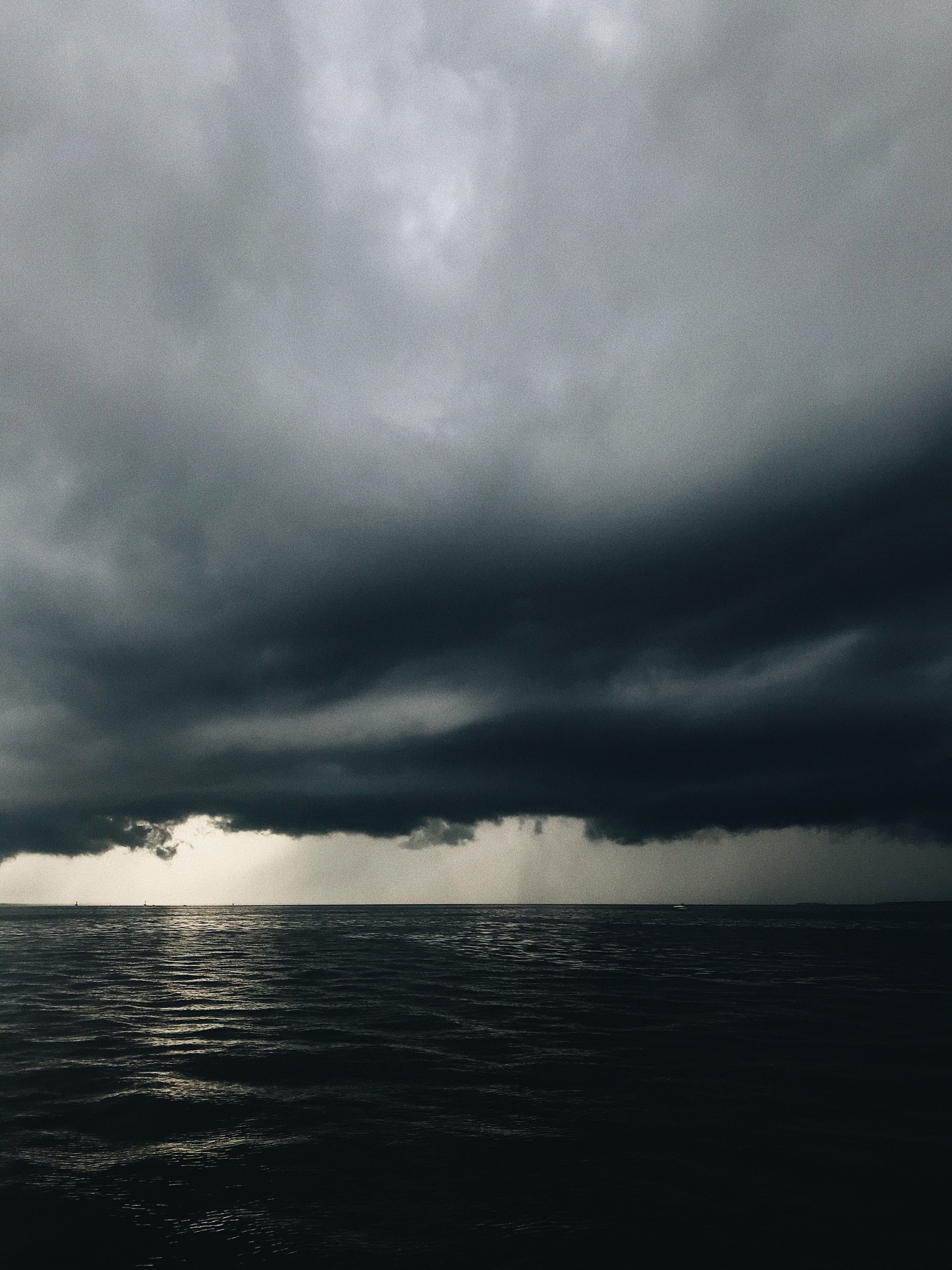
What Charleston Homeowners Do to Prepare for Hurricane Season
What Charleston Homeowners Do to Prepare for Hurricane Season
Hurricane season in Charleston, South Carolina officially begins June 1 and runs through November 30, with peak activity typically from August through October. For homeowners in the Lowcountry, preparation is not a last-minute scramble — it is a methodical series of tasks completed at the start of the season that make the difference between managing a storm and struggling through one. Leah Beaulieu and BJ Rodgers with Coast2Coast Properties work with buyers throughout the Charleston area, and they consistently see the same pattern: homeowners who do their preparation work in April, May, and early June handle storm season with far less stress and significantly less property damage than those who wait until July or August.
This guide covers the specific preparation tasks Charleston homeowners should complete before June 1, the routine steps to take from August through October, and how to avoid the two biggest preparation mistakes that cost local homeowners time, money, and peace of mind.
The Short Answer
- Spring prep (April-May): Inspect your roof, clean gutters, verify insurance coverage (including flood coverage), and document your home with photos and video
- HVAC maintenance: Have your air conditioning and heating systems serviced before storm season to ensure they function before and after a storm
- Structural reinforcement: Verify your home has hurricane straps or clips (especially if built before the mid-2000s), check garage doors and entry doors for wind resistance
- Evacuation planning: Know your SC evacuation zone, identify where you'll go, how you'll get there, and what you'll take
- Supplies and documentation: Build a seven-day emergency kit and keep insurance documents, medical records, and home inventory in a waterproof, portable container
- Outdoor preparation: Trim trees, secure or store outdoor furniture, and remove dead branches before any named storm appears on the forecast
Start Your Preparation in April and May — Not August
The most expensive mistake Charleston homeowners make is waiting until a storm is named or forecast to begin preparation. By that time, hardware stores run out of plywood and supplies, contractors are fully booked, and the window for completing critical tasks has closed.
South Carolina Emergency Management Division (SCEMD) and the National Weather Service recommend starting preparation immediately after the previous hurricane season ends, or no later than April for the current season. This gives you time to complete structural assessments, arrange contractor work, and finish insurance reviews without pressure.
Preparation completed in spring is more thorough, less stressful, and costs significantly less than rushed work done in August when everyone else is doing the same thing.
Verify Your Insurance Coverage — The Gap That Costs the Most
Before anything else, pull out every insurance policy you hold and review the coverage and exclusions. Many Charleston homeowners discover after a storm that critical coverage is missing.
Standard homeowner's insurance covers wind damage from hurricanes but does not cover flooding. Storm surge, rising groundwater, overflow from creeks and rivers, and even rain-driven flooding that enters through the ground are categorized as flood damage, which requires a separate flood insurance policy through the National Flood Insurance Program (NFIP) or a private flood insurer.
If your property is in a FEMA-designated AE or VE flood zone — which includes much of downtown Charleston, parts of James Island near the water, and all barrier islands — verify that you have active flood insurance before June 1. Do not wait until a storm is approaching; NFIP policies have a 30-day waiting period before coverage takes effect.
Additionally, review your homeowner's policy for wind and hail coverage. Some policies carry wind deductibles of 5-10%, which means on a $300,000 wind claim, your deductible could be $15,000 to $30,000. Know this number now, not after a storm.
Complete Your Home Inspection and Structural Assessment by May
Schedule a professional home inspection with an emphasis on hurricane readiness, and have it completed by late May. This is not something to do yourself; a qualified contractor can identify vulnerabilities you would miss.
Roof inspection: Have a licensed roofer walk your roof and verify the condition of shingles, flashing, and fasteners. Roofs in the Charleston area that are more than 15-20 years old are at significantly higher risk of failure in high winds. Younger roofs with quality fasteners perform dramatically better. Note the age of your roof and the type of fasteners used.
Hurricane straps and clips: South Carolina building code requires hurricane straps or metal clips that tie the roof structure to the wall framing for homes in high-wind zones (over 90 mph). Most of the Charleston area qualifies. If your home was built in the 1980s, 1990s, or early 2000s, it likely does not have them. Ask your inspector if they can be added retroactively. Many can be installed without tearing off the roof, and the cost is typically $2,000 to $5,000 — far less than roof replacement.
Garage doors and entry doors: Garage door failure during a hurricane is one of the most common failure points. When a garage door fails, the wind pressure inside the structure increases dramatically, which can contribute to roof failure and structural collapse. If your garage door is more than 15-20 years old or does not have visible bracing, have a contractor assess whether a rated replacement or reinforcement is warranted. Modern impact-rated or braced garage doors are a significant structural improvement.
Similarly, double doors and doors without reinforcement are vulnerabilities. At minimum, ensure your main entry doors have deadbolts that are fully engaged, and consider metal door reinforcement bars before the season.
Service Your HVAC System Before June 1
Schedule HVAC maintenance before June 1. This is essential for two reasons.
First, air conditioning may fail from storm damage, so you want your system running optimally and well-maintained before the season begins. Second, if you evacuate and lose power for days or weeks after a storm, mold and moisture become critical issues. A well-maintained HVAC system can be restarted more quickly once power is restored, which limits interior mold growth.
Have your contractor check refrigerant levels, clean condenser coils, and verify that the thermostat functions correctly. This annual service costs $100 to $200 and is one of the highest return-on-investment maintenance tasks you can do.
Document Your Home Now, Before Any Storm
One of the most valuable preparations is photographing and videoing your entire home — every room, every major appliance, every fixture, and your exterior. Do this at the start of each season and upload the video to cloud storage accessible from your phone.
If you need to file a claim after storm damage, this documentation is invaluable. Insurance adjusters can quickly assess what was damaged and what was not. Without documentation, you are relying on memory and invoices you may not have on hand. With it, your claim can be processed faster and more completely.
This task takes two to three hours and requires nothing more than your smartphone. Do it on a weekend in May.
Routine Preparation: August Through October
Once a named storm appears on the forecast, the time available for preparation shrinks dramatically. These tasks should be completed well before any named storm.
Trim dead trees and branches: Dead limbs and overgrown trees are dangerous projectiles in high winds. Have an arborist assess any large trees within 20-30 feet of your home. A branch that falls on your roof or garage during a 100 mph wind can do tens of thousands of dollars in damage. Trimming costs $500 to $3,000 depending on the number of trees; roof damage costs $50,000 to $100,000 or more.
Secure or store outdoor furniture, grills, and decorations: Everything not permanently secured to the structure should come inside or be stored by early August. Patio chairs, grills, planters, and decorations become dangerous projectiles in hurricane winds. A simple patio chair becomes a battering ram in 80 mph winds.
Know your utility shutoffs: Identify where your main water shutoff valve, gas shutoff (if applicable), and electrical panel are located. Know how to use them. In flood-prone areas like downtown Charleston and West Ashley, shutting off utilities before you evacuate is a critical safety step.
Inspect your sump pump: If your home has a basement or crawl space with a sump pump, verify it is functioning correctly and consider installing a battery backup unit. Power outages after storms are common, and a battery-backed sump pump can prevent thousands of dollars in basement flooding.
Build Your Seven-Day Emergency Supply Kit
FEMA recommends a 72-hour emergency kit, but for Charleston-area homeowners, a seven-day kit is more realistic given the potential for extended power outages and supply disruptions after a major storm.
Water: One gallon per person per day. A family of four needs 28 gallons for seven days. Store purchased water in a cool location, and plan to fill bathtubs and large containers with fresh water immediately before an approaching storm as supplemental supply.
Food and cooking: Non-perishable items that require no refrigeration and minimal cooking. Canned goods, peanut butter, crackers, granola bars, and dried fruit are good choices. Include a manual can opener. Most appliances will not function without power.
Medications and medical supplies: Keep a minimum 30-day supply of prescription medications in a portable, waterproof container. Pharmacies in the storm zone may be closed or inaccessible for days after a major hurricane.
Documents and valuables: Gather insurance policies (homeowner's, flood, and auto), your home inventory photos and video, identification, bank account information, and any other critical documents. Store them in a waterproof bag or container alongside a portable drive with digital copies. Keep this bag accessible so you can grab it when evacuating.
Power and lighting: Phone chargers, battery packs, flashlights, and extra batteries. A generator is a quality-of-life upgrade for extended outages. If you have one, test it before the season and keep fuel stored safely on hand.
Cash: ATMs and credit card readers may not function after a major storm. Keep several hundred dollars in small bills accessible at home.
Create Your Specific Evacuation Plan Before August
Deciding whether to evacuate only when a storm is approaching leads to delays, confusion, and poor decisions. Create your evacuation plan now.
Know your evacuation zone: Look up your property's specific evacuation zone at hurricane.sc.gov. South Carolina uses zones A through F, with Zone A being the highest risk (barrier islands and beachfront). Your evacuation timeline depends on your zone. Zone A residents typically receive orders 48-72 hours before projected landfall and should not wait for official orders — they should plan to leave that far in advance.
Identify your destination: Know specifically where you will go. Identify a family member's home outside the projected storm track, a pet-friendly hotel, or an emergency shelter. Know its exact address and multiple routes to reach it.
Plan your departure timing: For Zone A: evacuate when ordered. For Zone B and Zone C: decide your personal trigger in advance. Is it a Category 3 hurricane forecast in your area? Is it a mandatory evacuation order for your zone? Decide now so you do not have to decide under pressure.
Account for your pets: If you have pets, verify that your destination or shelter is pet-friendly. South Carolina emergency shelters are often not pet-friendly, but many counties maintain separate pet-friendly shelters or partner with boarding facilities. Check with your county's emergency management office.
Create a go-bag: Medications, documents, chargers, cash, clothes for several days, pet supplies, and any items with irreplaceable sentimental value. Keep this bag accessible and packed by August 1.
The Biggest Mistake Charleston Homeowners Make With Preparation
The biggest mistake is treating hurricane preparation as something to do when a storm is named or forecast. By that point, hardware stores are sold out of plywood, batteries, and supplies. Contractors are booked. Insurance adjusters are overwhelmed. The 30-day waiting period for flood insurance has passed. Roads are congested, fuel stations are crowded, and stress is high.
The homeowners who manage storms best are those who did the unglamorous work in April and May: verified insurance, had their roof inspected, documented their home, trimmed their trees, and created a written evacuation plan. That preparation takes a few hours spread across a weekend. It costs far less than the alternative.
A Realistic Example
A family buys a home on James Island 29412 in March. The home was built in 1998 and does not have hurricane straps. They schedule an HVAC inspection and pay $150 to have the system serviced. They take a video of the home and upload it to cloud storage. They review their insurance and add flood coverage ($2,200 annually). They trim two large oak trees ($1,500). They hire a contractor to install hurricane straps ($3,500). Total: approximately $7,350 in preparation costs.
In August, a Category 2 hurricane approaches. The family evacuates early using the evacuation route they identified in May. Their home experiences moderate wind damage (estimated $18,000 in repairs to roof and siding) but survives relatively intact because of the structural improvements. The well-documented inventory allows the insurance claim to process efficiently. The family is back home repairing within a month.
Compare this to a neighbor who skipped preparation. Their home — similar age and structure but without straps, without recent roof maintenance — sustains roof failure, water intrusion, and significant interior damage. The claim is delayed because there is no documentation of the home's pre-storm condition. Repairs take four months. The family's experience is far more stressful and costly.
Summary: What Charleston Homeowners Should Do Before the Season
- Complete roof inspection and repair any issues before June 1
- Verify insurance includes both wind and flood coverage; add flood coverage if missing
- Check for hurricane straps and retrofit if needed; assess garage door and entry door wind-readiness
- Have HVAC serviced before June 1
- Document your home with photos and video; store digitally and physically
- Identify your evacuation zone, destination, and departure plan
- Build a seven-day emergency supply kit and store it accessibly
- Trim trees and secure outdoor items before any named storm
- Know how to shut off your utilities
FAQ
When should I start hurricane preparation in Charleston?
Start in April and May. Complete major tasks like roof inspection, insurance review, and contractor work before June 1. Do not wait until August or a storm appears on the forecast.
How much does hurricane preparation cost for a Charleston home?
Comprehensive preparation (roof inspection, HVAC service, insurance review, documentation, supplies, and evacuation planning) can cost $500 to $2,000 in basic supplies and services, or $5,000 to $15,000 if structural improvements like hurricane straps or garage door replacement are needed. These costs are far less than the damage from an unprepared home.
What is the difference between Zone A, Zone B, and Zone C evacuation zones?
Zone A is the highest priority and evacuates first (barrier islands, beachfront). Zone B includes coastal low areas and parts of downtown Charleston; evacuation timing depends on storm intensity. Zone C and beyond are more inland; residents may not need to evacuate for all storms.
Do I need hurricane straps on my Charleston home?
SC building code requires them for homes in high-wind zones. If your home was built before the mid-2000s, it likely does not have them. A licensed contractor can inspect and assess whether retrofit is feasible and worthwhile for your situation.
How often should I document my home for insurance purposes?
Document your home at least once per year, preferably at the start of hurricane season. Update the video or photos if you make major repairs or upgrades.
What should I do if I cannot afford comprehensive preparation?
Prioritize: verify flood insurance (critical if in a flood zone), review wind coverage, document your home (costs nothing), know your evacuation zone and plan, and build a basic supply kit. These fundamentals cost little to nothing and provide substantial protection.
Final Answer
Hurricane preparation for Charleston homeowners is fundamentally about completing key tasks before June 1, not as storms approach. The specific tasks — roof inspection, insurance review, documentation, structural assessment, and evacuation planning — are straightforward. None requires specialized knowledge. Most can be completed over a few weekends in April and May.
Homeowners who invest this time experience significantly less stress during storm season, less property damage, and smoother insurance claims than those who delay. Leah Beaulieu and BJ Rodgers with Coast2Coast Properties recommend starting your preparation now, before the season is in full swing. If you have questions about how hurricane exposure should factor into your home purchase decision or whether your current preparation is sufficient, reach out.
About Leah Beaulieu & BJ Rodgers — Coast2Coast Properties
Leah Beaulieu and BJ Rodgers are Charleston, South Carolina real estate professionals with Coast2Coast Properties, helping buyers compare neighborhoods, understand local market differences, and find the right fit across the Charleston area. Whether you are buying your first home, relocating to the Lowcountry, or looking for investment opportunities, Leah and BJ bring local knowledge, straight talk, and a genuine commitment to helping clients make smart decisions.
Coast2Coast Properties
www.coast2coastprop.com
843-697-1409 / 803-201-4259