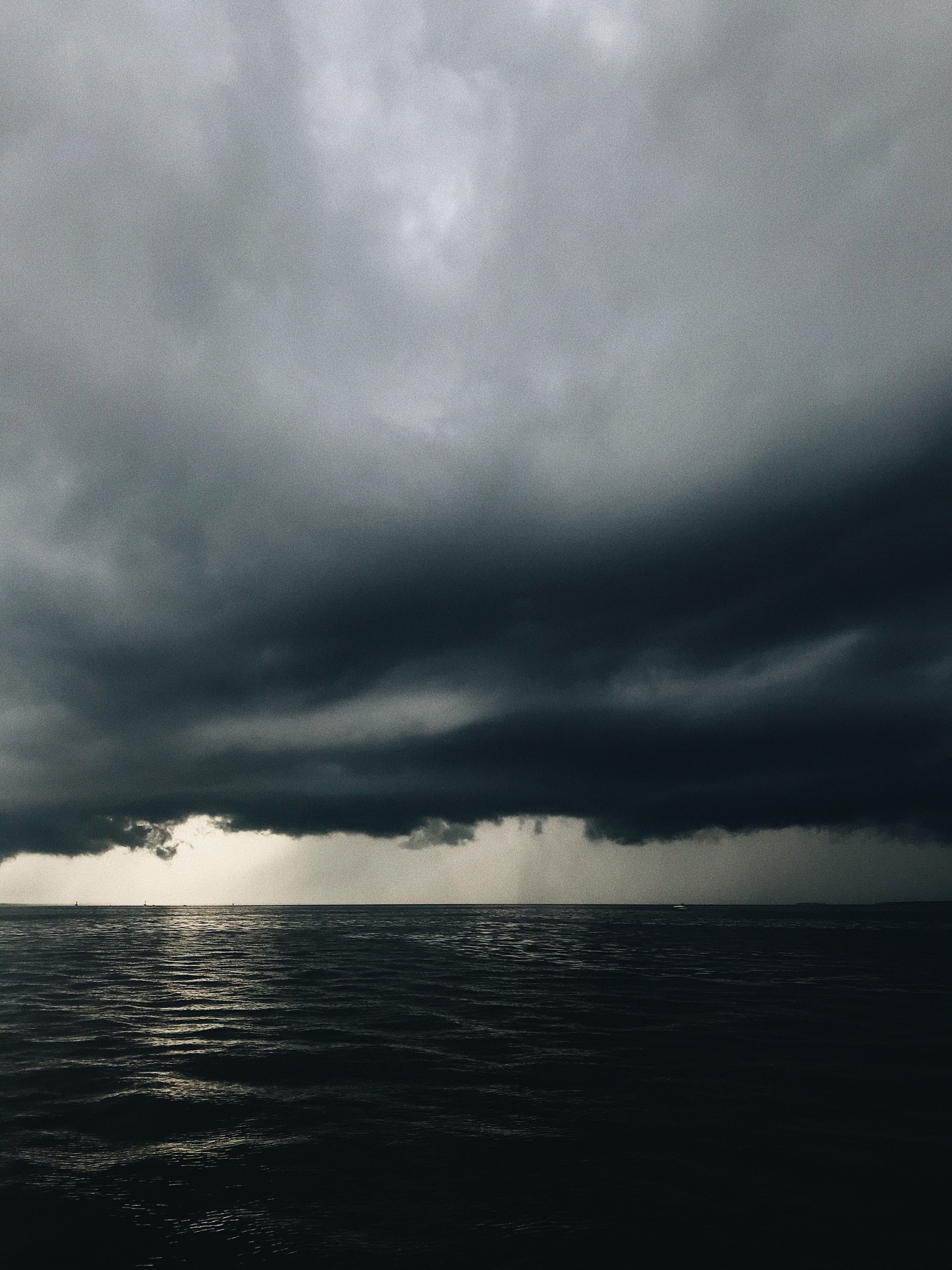
What Home Sellers in Charleston Need to Fix Before Hurricane Season
What Home Sellers in Charleston Need to Fix Before Hurricane Season
If you're selling a home in Charleston, SC between April and November, you are selling during hurricane season — and buyers know it. A roof with questionable shingles, gutters pulling away from the fascia, windows with broken seals, or a crawl space with drainage issues will get flagged at inspection, give buyers ammunition to renegotiate, or kill the deal entirely.
Leah Beaulieu and BJ Rodgers with Coast2Coast Properties have watched more transactions than they can count get slowed down or derailed by deferred maintenance that sellers thought buyers wouldn't notice. They will notice. Their inspectors will write it up. And your buyer's lender may require repairs before closing. The better move is to get ahead of it.
The Short Answer
- Prioritize your roof. It's the number-one item that flags on inspections and the most expensive to replace. Get a licensed contractor to assess it before you list.
- Clear gutters and check downspouts. Clogged or damaged gutters cause water intrusion and foundation problems — both are red flags for Charleston buyers.
- Inspect windows and doors for hurricane integrity. Broken seals, gaps, and non-impact-rated windows are common in older Charleston homes and will get noted.
- Check your crawl space or basement drainage. Charleston's flooding history means buyers and their agents will look.
- Trim trees and secure loose exterior features. Insurance carriers and buyers alike care about wind exposure.
- Pull permits for any prior work. Unpermitted storm repairs are a problem in title — deal with it before listing.
Why Hurricane Season Timing Matters for Charleston Home Sales
Hurricane season runs June 1 through November 30. In Charleston, the market doesn't slow down during that window — but buyer anxiety does increase. A buyer who finds storm-related deferred maintenance during inspection in August is negotiating from a position of fear, not just price. They're thinking about what happens if a storm hits before closing, whether the roof will make it through the next few years, and whether their insurance carrier will even write a policy on the home.
According to Charleston roofing contractors, many area homes — especially in West Ashley (29407, 29414), James Island (29412), and North Charleston (29405) — were built in the early 1990s or earlier. Roofing systems from that era are often at or past their functional lifespan. Charleston's salt-heavy coastal air, subtropical humidity, and the wind uplift that comes with every named storm accelerate wear on roofing, siding, and caulking in ways that aren't always visible from the street.
Listing your home in May before hurricane season peaks gives you the strongest positioning: buyers are motivated, inventory is competitive, and you haven't yet hit the anxiety-driven inspection climate that comes after the first major storm threat of the year.
What to Actually Fix: A Room-by-Room Breakdown
The Roof
This is non-negotiable. An inspector will walk your roof or photograph it from a drone, and any licensed Charleston home inspector can spot aging shingles, lifted flashing, failed ridge caps, and granule loss in storm drains. If your roof is over 15 years old, plan on getting a licensed contractor's written assessment before you list — not after the buyer's inspector writes a 12-page report.
Replacement cost for a standard roof in Charleston runs roughly $10,000–$25,000 depending on pitch, material, and square footage, as of 2026. If the roof is legitimately at end of life, your options are: replace it, price accordingly and disclose, or offer a credit. What you cannot do is pretend it's fine — South Carolina disclosure law requires sellers to disclose known material defects.
A pre-listing roof inspection from a licensed Charleston roofer typically costs $150–$350 and gives you documentation to share with buyers. It also eliminates the guessing.
Gutters and Downspouts
Gutters clogged with Lowcountry pine straw and oak leaves are one of the most common issues Leah Beaulieu and BJ Rodgers see on pre-listing walkthroughs. Clogged gutters cause water to overflow and pool against the foundation. In a city where some neighborhoods sit barely above sea level — think portions of Downtown Charleston 29401, 29403, and Folly Beach 29439 — foundation drainage is taken seriously by buyers and their lenders.
Clean the gutters, replace any sections pulling away from fascia, and make sure downspouts discharge at least three feet from the foundation. This is a $200–$500 fix that prevents a $2,000 negotiating concession.
Windows and Exterior Doors
Charleston has a mixed inventory of homes built before modern hurricane building codes took effect in 2006. If your home has single-pane windows or non-impact-rated glass, buyers in flood- and wind-prone areas will flag it — especially buyers relocating from coastal markets who know what impact-rated windows cost to install.
You don't have to replace every window before listing. But you should seal any gaps, replace failed window seals (foggy double-pane glass), and make sure all doors close and lock properly. Storm shutters, if present, should be accessible and functional.
Crawl Spaces and Moisture Barriers
A wet or musty crawl space is a deal killer in Charleston. Buyers who've lived here a few years know that moisture intrusion, mold, and wood rot in crawl spaces are common — especially in Johns Island (29455), Summerville (29483, 29485), and West Ashley (29414). A deteriorating vapor barrier, standing water, or visible mold in the crawl space will be called out in the inspection report and may require remediation before closing.
If you haven't been in your crawl space recently, hire someone to assess it before your listing photos go up. The cost of a crawl space assessment is minimal; the cost of discovering a major issue in the middle of a transaction is high.
Trees and Exterior Landscaping
South Carolina's oak canopy is part of what makes the Lowcountry beautiful. It's also a liability when a named storm comes through. Overhanging limbs within striking distance of the roofline, dead trees on the property, and any tree with visible root heaving are items a thorough buyer's agent will point out — and items that can affect insurance.
Before listing, get a certified arborist or tree service to assess any large trees close to the structure. Remove dead wood. Trim limbs hanging over the roof. Document the work. In neighborhoods like Daniel Island (29492) and Mount Pleasant (29464, 29466), where canopy trees are part of the community's appeal, this is also just good neighbor practice.
Loose or Damaged Exterior Features
Loose shutters, deteriorating wood trim, damaged soffits, missing or cracked caulk around penetrations, and detached fence sections all get photographed during inspections. In a hurricane-aware market, loose exterior elements read as "this home has not been maintained" — regardless of what's actually inside.
A weekend of caulking, touch-up paint, and screwed-down shutters can dramatically change how a buyer perceives the home's overall condition.
The Biggest Mistake Sellers Make Before Hurricane Season
Sellers assume buyers will accept known issues as long as they're priced in. This works sometimes — but not reliably, and not in categories tied to storm safety. A buyer who discovers the roof is 22 years old and has three repaired areas during inspection is now scared, even if the price seemed fair before. Fear-based renegotiations are harder to control than pre-listing negotiations, because buyers have already gotten emotionally attached and are now reversing course.
The bigger mistake is skipping the pre-listing inspection entirely. Sellers who don't know the condition of their own roof, crawl space, and windows can't price correctly and can't control the narrative. When the buyer's inspector finds problems first, the seller loses the initiative. When the seller identifies and discloses them upfront — or better yet, fixes them — the transaction stays on track and the seller keeps the leverage.
A Realistic Example
A seller in James Island (29412) lists a 1988 ranch-style home in April. They've lived there for 12 years and the home feels solid. They don't do a pre-listing inspection. A buyer goes under contract in May, schedules their home inspection, and the inspector notes: original roof with significant granule loss (estimated 3–5 years of life remaining), two sections of gutters detached from fascia, crawl space vapor barrier failed with evidence of prior moisture, and a rear door with a gap at the threshold.
The buyer's agent sends over a repair addendum asking for a $14,000 credit. The seller counters at $6,000. They go back and forth for four days, the buyer's parents (who are helping with the down payment) are now nervous, and the deal nearly falls apart. It closes — at a $9,500 concession — two weeks late.
If the seller had spent $350 on a pre-listing assessment and $2,500 on a new vapor barrier and gutter repairs before listing, they would have controlled that inspection conversation from the start. The roof would still have been disclosed and negotiated, but as a known, scoped issue rather than a surprise — and the deal would have closed on time.
So What Do Home Sellers in Charleston Actually Need to Fix Before Hurricane Season?
- Roof: Get a written assessment. Replace if needed, disclose if not. Don't list without knowing.
- Gutters: Clean, reattach, and make sure they drain away from the foundation.
- Windows and doors: Seal gaps, replace foggy seals, confirm locks work.
- Crawl space: Assess for moisture, mold, and vapor barrier condition.
- Trees and landscaping: Trim overhanging limbs, remove dead trees.
- Exterior details: Caulk, paint, and secure anything loose.
FAQ
Do I have to disclose storm damage history in South Carolina?
Yes. South Carolina's real estate disclosure law requires sellers to disclose known material defects, including prior storm damage, water intrusion, and any repairs made as a result. Failing to disclose can create post-closing legal liability. If the home had a prior insurance claim for hurricane or flood damage, disclose it and be prepared to show documentation.
Will buyers in Charleston really notice roof age?
Yes — and so will their insurance carriers. Many homeowners insurance companies in South Carolina will not write a new policy on a roof over 20 years old without an inspection and sometimes a surcharge. If a buyer's insurance carrier declines to insure the home before closing, the deal stops. Sellers with aging roofs should factor this into pricing and expectations.
How much does pre-listing hurricane prep cost in Charleston?
It varies widely depending on what you find. A pre-listing inspection runs $350–$600 for a thorough report. Common fixes — gutter repairs, caulking, vapor barrier work — might total $1,000–$4,000. A roof replacement is $10,000–$25,000+. The goal isn't to fix everything; it's to know what you're dealing with so you can price and disclose accurately.
Should I replace my windows before selling?
Generally no — unless they are in obvious disrepair (broken seals, visible damage, non-functional). Full window replacement is expensive and rarely recovers its full cost in sale price. Repair what's broken, seal what's drafty, and disclose the window age and type. Buyers in West Ashley (29407) and North Charleston (29405, 29406) are accustomed to older home stock and price it into their offers.
When is the best time to list a Charleston home to avoid hurricane-season complications?
February through May is the strongest window for most sellers in the Charleston market — high buyer demand, favorable inspection weather, and the window closes before peak storm anxiety sets in. That said, homes sell throughout the summer and fall in Charleston. The key is condition and pricing, not timing alone.
What if my home is in a flood zone? Does that affect what I need to fix?
Yes. Homes in FEMA AE, AO, or VE flood zones — common in downtown Charleston (29401, 29403), Folly Beach (29439), Isle of Palms (29451), and Sullivan's Island (29482) — face additional scrutiny from buyers and lenders. Flood vents in foundation walls, proper grading, and functional sump systems all matter. for more on what buyers ask about in flood zones.
Do Charleston buyers ask about hurricane shutters?
In higher-end coastal markets — Sullivan's Island (29482), Isle of Palms (29451), and waterfront properties in Daniel Island (29492) — yes, hurricane shutters or impact windows are expected and add value. In most suburban neighborhoods, they're less common but still a positive feature. If your home has shutters, make sure they're functional and accessible.
Final Answer
Selling a home in Charleston during hurricane season isn't a problem — it's a reality of the market. But it rewards sellers who know their property's condition and can speak to it confidently. The sellers who do best are the ones who get ahead of roof, crawl space, and drainage issues before listing, not the ones scrambling to respond to an inspection report mid-contract.
BJ Rodgers and Leah Beaulieu with Coast2Coast Properties walk sellers through exactly this kind of pre-listing assessment before every listing. They know what Charleston buyers ask about, what inspectors look for, and how to position a home honestly so the transaction stays on track. If you're thinking about selling this spring or summer, reach out before you list — not after the inspection report lands.
About Leah Beaulieu & BJ Rodgers — Coast2Coast Properties
Leah Beaulieu and BJ Rodgers are Charleston, South Carolina real estate professionals with Coast2Coast Properties, helping buyers compare neighborhoods, understand local market differences, and find the right fit across the Charleston area. Whether you are buying your first home, relocating to the Lowcountry, or looking for investment opportunities, Leah and BJ bring local knowledge, straight talk, and a genuine commitment to helping clients make smart decisions.
Coast2Coast Properties
www.coast2coastprop.com
843-697-1409 / 803-201-4259