What Is a CL-100 and Why Does South Carolina Use It?
What Is a CL-100 and Why Does South Carolina Use It?
A CL-100 is South Carolina's official Wood Infestation Report, a form a licensed pest inspector completes to document termites, wood-boring beetles, decay fungi, and related damage in a home. Lenders and purchase contracts commonly require one before closing, and government-backed loans effectively require a clear report. Leah Beaulieu and BJ Rodgers of Coast2Coast Properties see the CL-100 on nearly every Charleston-area purchase.
The short answer
- What it is: The state's wood infestation report (form SC 1099), covering wood-destroying organisms and visible damage.
- Who orders it: Usually the buyer or the buyer's lender, through the closing attorney or contract terms.
- Who performs it: A licensed pest control company with a certified inspector in the Wood-Destroying Organism category, regulated by Clemson's Department of Pesticide Regulation.
- Cost: Typically about $75 to $150, often bundled with a termite inspection.
- Timing: Most lenders and closing attorneys will not accept one older than about 30 days.
- Not the same as: A general home inspection, which looks at the whole house.
What is a CL-100?
The CL-100 documents what an inspector finds in accessible structural wood: active or previous infestation by termites, old-house borers and other wood-boring beetles, plus decay fungi and moisture conditions that invite them. It also records any treatment evidence and visible damage.
It is a snapshot. It says what the inspector saw on that day in accessible areas. It does not guarantee the house is free of hidden damage and it does not promise future protection. For ongoing coverage, see .
Why does South Carolina use it?
Termites and wood decay are a standard risk in a warm, humid coastal state. A standardized form gives buyers, sellers, lenders, and attorneys a common document. Lenders use it to protect their collateral. Buyers use it to learn about a risk a general inspection may not cover in depth.
The Lowcountry makes this more pressing. Moist soil, a high water table, and aggressive coastal termites, including Formosan termites, mean wood problems are common in Charleston, Mount Pleasant, and Summerville alike.
Who orders a CL-100 and who pays?
In most South Carolina deals, the buyer's contract or lender calls for the report, and the closing attorney or agent arranges it. Who pays is a negotiated term. In many transactions the buyer pays the inspection fee and the seller pays for any required treatment or repair, but contracts vary. Check the contract terms.
Your agent and closing attorney can tell you which inspection is needed and when to schedule it.
What does the CL-100 inspect?
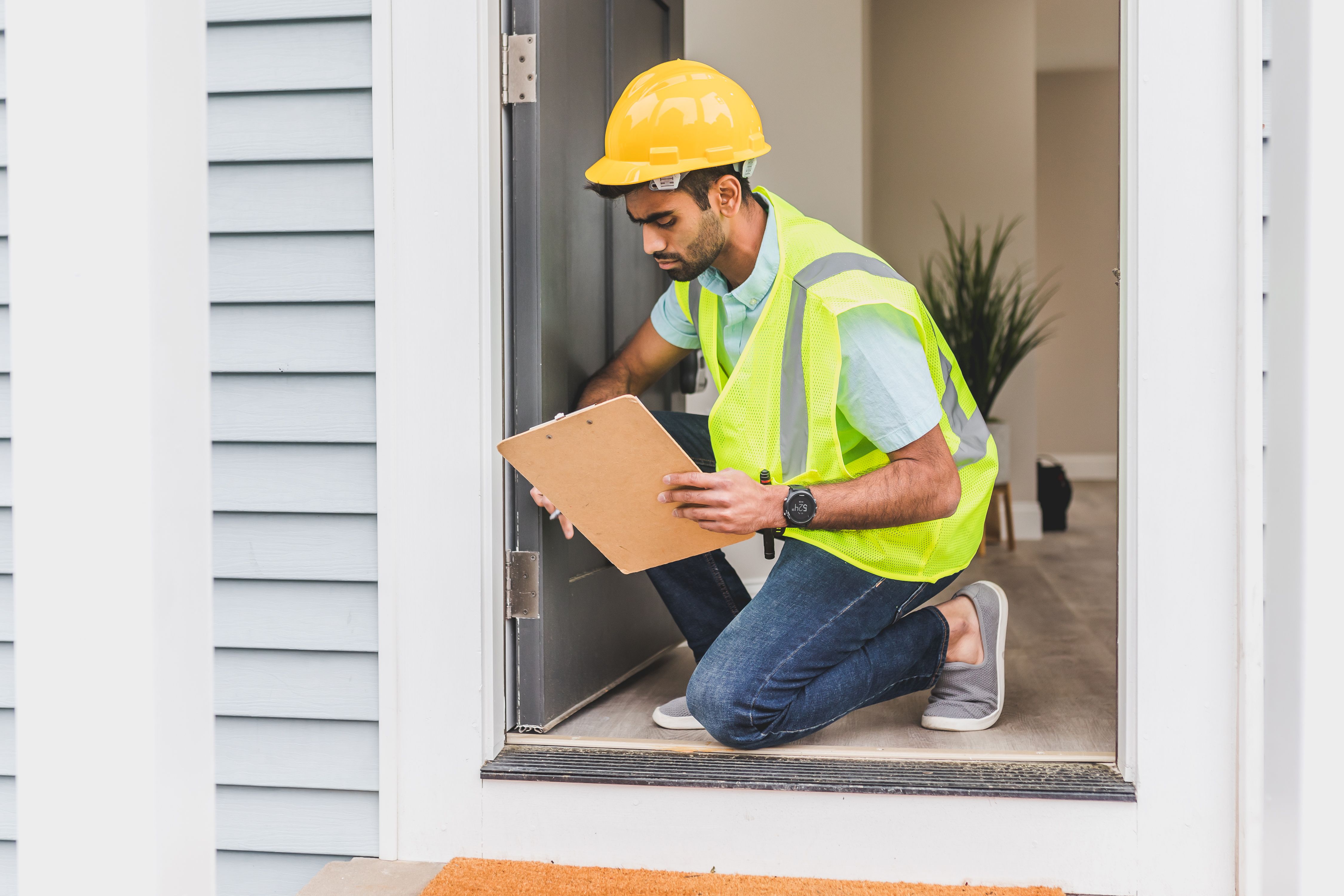
The inspector examines accessible areas: crawl spaces, attics, basements, garages, exterior wood, and framing. The report notes:
- Evidence of active or previous termite activity
- Wood-boring beetles and old-house borers
- Decay fungi and moisture problems
- Visible damage and any prior treatment
Inaccessible areas, such as spaces behind finished walls, may be excluded. Foundation type matters, so see .
How is a CL-100 different from a home inspection?
A general home inspection covers roof, electrical, plumbing, HVAC, structure, and more, usually without the detail a licensed pest inspector brings to wood-destroying organisms. The CL-100 focuses only on wood infestation and damage. Buyers typically need both.
Do lenders require a CL-100?
Government-backed loans (VA, FHA, USDA) effectively require a clear report before funding. Conventional lenders and many purchase contracts also ask for one. If the report shows active infestation or damage, expect the lender to require treatment and often repairs before closing. Your lender will confirm what it needs.
What happens if the CL-100 finds a problem?
The buyer and seller negotiate. Common outcomes: the seller treats the home and repairs damage, the seller credits the buyer, or the buyer walks away under the contract's inspection terms. A treatment may come with a warranty or bond. A re-inspection usually follows, and the lender needs a clean or cleared report.
Timing matters. Because reports go stale at about 30 days, schedule near the end of the inspection window, with enough room to fix problems.
The biggest mistake buyers make with the CL-100
Buyers assume the CL-100 and the general home inspection overlap, or that a clean CL-100 means the termite question is closed. It is a one-day, accessible-areas snapshot. Another mistake is ordering too early. A report that is 40 days old at closing may be rejected, forcing a re-inspection and risking a closing delay.
Ask who ordered the report, which areas were inaccessible, and what past treatments the seller can document.
A realistic example
Chris and Dana are buying a home in Johns Island (29455) with an FHA loan. Redfin showed a median sale price of about $710,000 in 29455 over the three months ending June 2026, so they are watching their budget. Their contract calls for a CL-100. The inspector finds active subterranean termites near the crawl space sill plate. The seller agrees to treat, repair the damaged framing, and provide a bond. A second inspection comes back clear 10 days before closing, within the lender's window. Chris and Dana close on time, and they keep the bond.
Frequently asked questions
What does CL-100 stand for?
CL-100 is the common name for South Carolina's Wood Infestation Report, form SC 1099. The name comes from the form series, not an acronym.
How much does a CL-100 cost in South Carolina?
Typically about $75 to $150, sometimes bundled with a termite inspection. Treatment or repairs are priced separately.
Who can perform a CL-100 inspection?
A licensed pest control company with a certified inspector in the Wood-Destroying Organism category, regulated by Clemson's Department of Pesticide Regulation.
How long is a CL-100 good for?
Most lenders and closing attorneys will not accept one older than about 30 days. Ask your lender for its exact rule.
Is a CL-100 required to buy a house in South Carolina?
Not by a single statewide law for every sale, but lenders and contracts commonly require it, and VA, FHA, and USDA loans effectively do.
Does the CL-100 replace a home inspection?
No. It covers wood-destroying organisms only. A general inspection covers the rest of the house.
Who pays for termite treatment found on a CL-100?
It depends on the contract. Sellers often pay for required treatment and repairs, but terms are negotiable.
Final answer
The CL-100 exists because wood-destroying insects and decay are a routine risk in South Carolina, and lenders and buyers need a standard way to document it. It is quick, inexpensive, and worth taking seriously: schedule it close to closing, read what was inaccessible, and pair it with a general inspection and, where appropriate, a termite bond.
Leah Beaulieu and BJ Rodgers at Coast2Coast Properties guide buyers through the CL-100, lender requirements, and repair negotiations across the Charleston area. Requirements vary by lender and contract, so confirm details with your lender and closing attorney.
About Leah Beaulieu & BJ Rodgers — Coast2Coast Properties
Leah Beaulieu and BJ Rodgers are Charleston, South Carolina real estate professionals with Coast2Coast Properties, helping buyers compare neighborhoods, understand local market differences, and find the right fit across the Charleston area. Whether you are buying your first home, relocating to the Lowcountry, or looking for investment opportunities, Leah and BJ bring local knowledge, straight talk, and a genuine commitment to helping clients make smart decisions.
Coast2Coast Properties
www.coast2coastprop.com
843-697-1409 / 803-201-4259