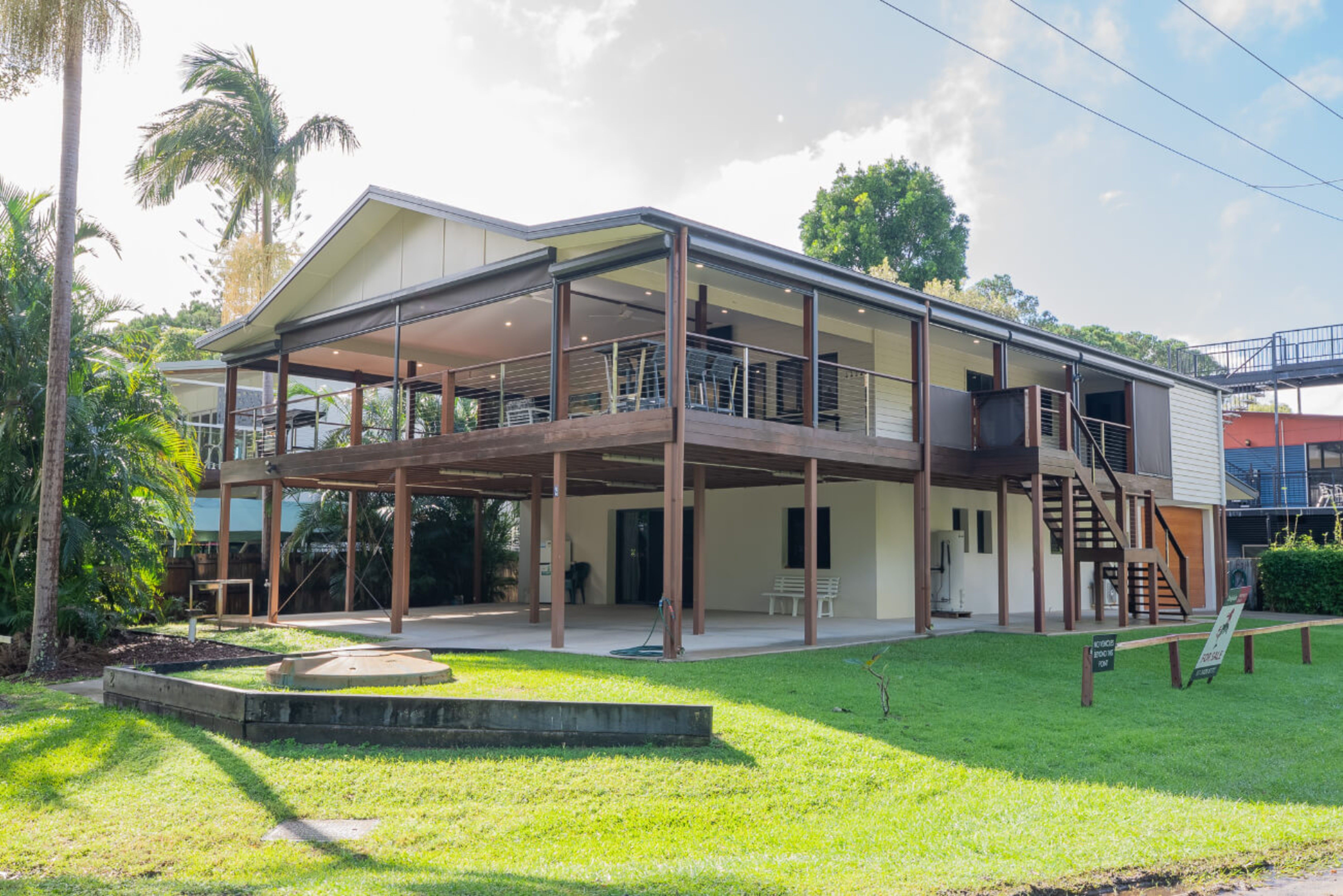
What Is an Elevation Certificate and Why Does It Matter When Buying in Charleston?
What Is an Elevation Certificate and Why Does It Matter When Buying in Charleston?
If you're buying in a flood zone in Charleston, you've probably heard the term "elevation certificate" thrown around. But what is it, really? Why do lenders require it, and what does it cost? Here's what every Charleston home buyer needs to know.
What Is an Elevation Certificate, Exactly?
An elevation certificate is a formal document prepared by a licensed surveyor that shows how high your home sits above sea level, specifically above the Base Flood Elevation (BFE) that FEMA has established for your flood zone. It's not just a single number. The certificate shows the elevation of the lowest floor of your home, the ground level around the home, and how all of that compares to the BFE for your specific location.
Think of it this way: FEMA says floodwaters in your zone could reach 8 feet above sea level during a 100-year flood. Your elevation certificate proves whether your home sits at 6 feet, 10 feet, or 12 feet. That difference, measured to the inch, determines everything about your flood insurance costs and requirements.
How Is an Elevation Certificate Determined?
A professional surveyor conducts a site survey and uses precision equipment to measure the elevation of your property relative to a vertical datum. This isn't guesswork. The surveyor takes measurements at multiple points on and around your home, documents them in a standardized FEMA form, and produces a document that's legally binding for insurance and lending purposes.
The process takes about 5 to 10 business days and typically costs between $300 and $600. Before you pay for one, call the City of Charleston. They maintain elevation certificate records for properties within their jurisdiction, and your property may already have one on file. If it does, you can often get a copy for far less than the cost of a new survey.
Why Do Lenders Require Elevation Certificates?
If you're buying a home in Zone AE or any other Special Flood Hazard Area with a federally backed mortgage, your lender will require an elevation certificate. This isn't optional. Federal law requires it for mandatory flood insurance purposes.
Here's the reason: lenders need proof that your home meets local floodplain ordinances and, more importantly, they need accurate elevation data to determine your flood insurance rates. Without an elevation certificate, they can't verify compliance or calculate your true insurance cost. The lender may refuse to close without it.
If you're paying cash and not financing, an elevation certificate is technically not required by law. But many cash buyers still get one because it directly affects their flood insurance premiums and future resale value.
How Does an Elevation Certificate Affect Your Flood Insurance Cost?
This is where it gets important: under FEMA's current Risk Rating 2.0 pricing model (which replaced the old system in 2021), your property's elevation drives your price. Not just the flood zone you're in, but the actual measured elevation of your home.
If your home sits above the Base Flood Elevation for your zone, you could qualify for significantly reduced premiums. In Charleston, flood insurance premiums vary enormously depending on zone and elevation. A home in Zone X might pay $400 to $600 annually. A home in Zone AE could pay $2,000 to $5,000 or more annually. But if that Zone AE home sits one foot above the BFE instead of below it, the premium difference can be hundreds of dollars per year.
Over a 30-year mortgage, the difference between a premium calculated with and without accurate elevation data can be tens of thousands of dollars.
What If You're Not Required to Get One?
If you're buying outside the highest-risk flood zones or paying cash in Zone AE, you might not be legally required to get an elevation certificate. But here's the question: do you want to leave money on the table?
If your home is close to the Base Flood Elevation for your zone, getting a certificate might prove you're actually above the BFE, which could cut your annual flood insurance cost dramatically. If you're buying an older home that already has a certificate on file, pull it before you negotiate. The elevation data could strengthen your negotiating position on price or repairs.
When it comes to flood insurance premiums in Charleston, don't assume the worst. Get the certificate, or at least check whether one exists. The cost to obtain it is small compared to the potential savings.
Is an Elevation Certificate Worth Getting When Not Required?
Yes, if there's a reasonable chance your property sits at or above the Base Flood Elevation. At $300 to $600 and 5 to 10 days, it's a low-risk investment. If you save $500 a year on flood insurance premiums, it pays for itself in less than a year and continues saving money for as long as you own the home.
If you're buying in an older flood zone where FEMA's elevation data might be outdated or inaccurate, an elevation certificate could protect you from overpaying based on outdated risk assumptions. The survey provides legal proof of your actual elevation, not just FEMA's estimated zone.
What Happens If You Don't Get One and Should Have?
If your lender requires an elevation certificate and you don't provide one, they won't close the loan. Period. It's a non-negotiable part of flood risk verification for federally backed mortgages.
If you close without one (through private lending or cash purchase), you may overpay for flood insurance every single year based on the worst-case assumption about your elevation. Over time, that compounds into a significant loss.
The Bottom Line for Charleston Buyers
An elevation certificate is a surveyor's formal document proving how high your home sits above FEMA's Base Flood Elevation for your zone. It's required by lenders in high-risk flood zones, and it directly affects your annual flood insurance cost under the current Risk Rating 2.0 model.
If you're buying in Zone AE or any Special Flood Hazard Area with a mortgage, expect to get one. If you're buying outside the highest-risk zones or paying cash, check whether one already exists for your property. If it does and shows you above the BFE, that could mean hundreds of dollars in annual insurance savings.
In Charleston, where flood risk varies block by block, an elevation certificate is one of the most concrete ways to prove your home's true flood exposure. Don't skip it or delay it. It's a 5 to 10 day process that determines years of flood insurance costs.
About Leah Beaulieu & BJ Rodgers — Coast2Coast Properties
Leah Beaulieu and BJ Rodgers are Charleston, South Carolina real estate professionals with Coast2Coast Properties, helping buyers understand flood risk, insurance requirements, and the financial impact of elevation and flood zone status. Whether you're buying in Zone AE, considering a flood-zone property, or trying to understand your elevation certificate, Leah and BJ bring clarity and local expertise to every decision.
Ready to buy smart in Charleston? Contact Leah Beaulieu or BJ Rodgers at Coast2Coast Properties to discuss flood risk and elevation when you're evaluating your next home.
Coast2Coast Properties
www.coast2coastprop.com
843-697-1409 / 803-201-4259