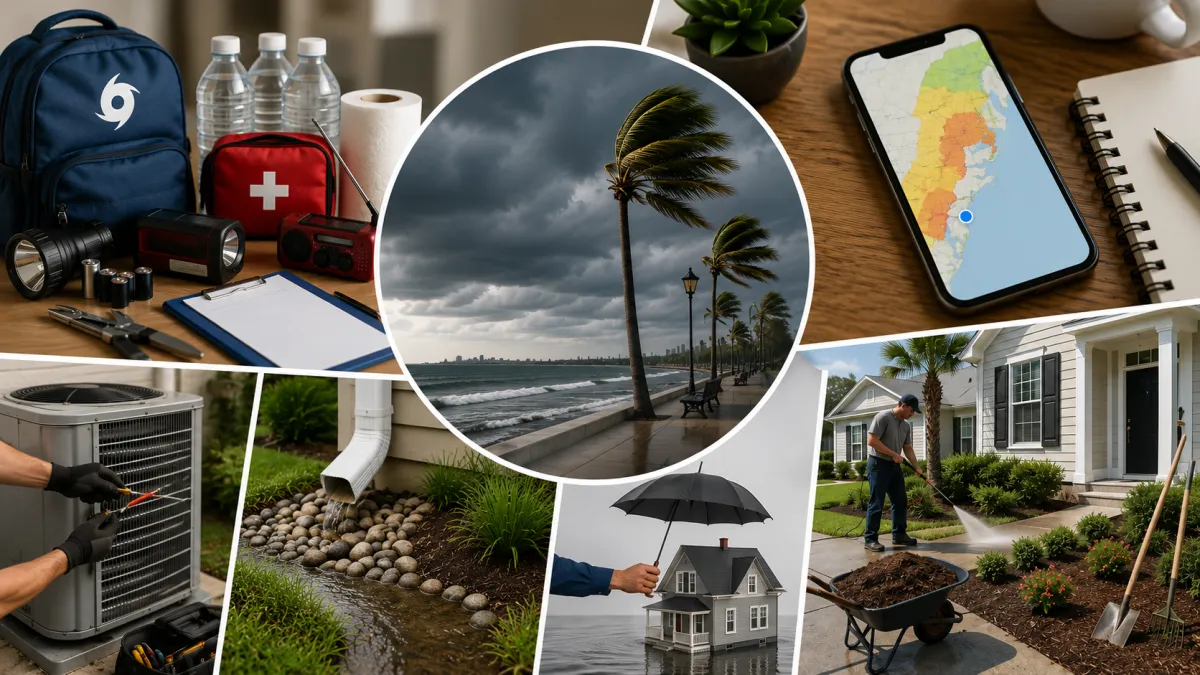
What Is Hurricane Season Really Like in Charleston, SC?
What Is Hurricane Season Really Like in Charleston, SC?
Hurricane season in Charleston runs from June 1 through November 30 every year—six months of heightened weather awareness that most locals integrate into their annual rhythm. The reality for most Charleston residents is not panic, but rather a well-practiced routine: checking forecasts, knowing your evacuation zone, and going about life with one eye on the National Hurricane Center's tracking map from mid-August onward.
The Short Answer
Hurricane season in Charleston lasts 6 months, from June 1 to November 30, with peak activity in September
Most years bring a tropical storm or passing system; actual hurricanes are less common
Average frequency: a tropical system roughly every 2 years, an actual hurricane every 8–9 years
Major hurricanes (Category 3+) occur on average every 26 years
Most residents experience hurricane season as routine monitoring and seasonal preparation rather than constant threat
The community has deep experience with storms; response is organized and practiced rather than chaotic
Understanding your zone and having an evacuation plan eliminates most of the anxiety
Hurricane Season by the Numbers
Charleston's hurricane statistics tell a story of caution without catastrophe. Since 1851, 45 tropical cyclones have made landfall on the South Carolina coast. Of those 45, only 4 became major hurricanes: the Great Charleston Hurricane of 1893, Hurricane Hazel in 1954, Hurricane Gracie in 1959, and Hurricane Hugo in 1989. That's roughly one major direct hit per 33 years on average—rare, but not unthinkable.
In any given year, Charleston is affected by some kind of tropical system about once every 2.11 years. Most of these are tropical storms or weak hurricanes, not major events. The region's actual hurricane strike average is one every 8 to 9 years. When you hear statisticians talk about major hurricanes, we're speaking about events that occur, on average, once every 26 years.
The 2026 Atlantic hurricane season, which is currently underway, is running quieter than recent years. NOAA's outlook called for a subdued season due to the expected return of El Niño conditions, which create stronger upper-level winds across the Atlantic—the kind of shear that suppresses hurricane formation. The climatological peak remains September 10, with the most activity typically occurring from mid-August through mid-October.
What Hurricane Season Feels Like to Locals
Ask anyone who's lived in Charleston through multiple seasons, and they'll describe hurricane season with a blend of respect and routine. It is not a season of constant fear; it is a season of awareness.
Starting in June, local conversations shift. By August, that awareness sharpens. TV meteorologists become regular fixtures in family rooms. When a tropical system forms in the Gulf or emerges off the Cape Verde islands and begins tracking northwest toward the Atlantic's known hurricane alleys, the whole region watches the forecast cone together. Neighbors discuss the track. Coworkers check the latest advisory at lunch. Social media fills with storm-track screenshots.
The behavior is calm because it is practiced. Grocery stores may see runs on water and batteries when a storm enters the forecast cone, and gas station lines may lengthen, but this is not panic—it is preparation. People who have lived through multiple seasons know the drill. They know where to get supplies. They know whether their zone is mandatory evacuation or just precaution. They know their routes. The experience is routine, not traumatic.
The Preparation Routine Locals Follow
Most Charleston residents build a hurricane-season rhythm that changes little year to year:
June through July: Casual monitoring. NOAA's preseason outlook is reviewed. Supplies are checked. Generators are serviced. Air conditioning systems are maintained (post-storm repairs take weeks).
August: Awareness increases. Evacuation zones are confirmed or looked up if new to the area (look up yours at scemd.org/KnowYourZone). Backup plans are discussed with family. Fuel storage may be topped off. Lists of important documents are assembled.
September and early October: Peak alert. Forecast checking becomes daily habit. When a system threatens, locals watch the cone tighten. Evacuation decisions are made based on your zone and the forecast track. Supply runs happen if a close call is likely, but most years the storms miss or pass as weak systems.
Late October through November: Alert remains; frequency of checking declines unless activity increases. By November 30, there is an audible sense of relief as the season officially closes.
In reality, most seasons pass without disruption. The routine itself is the preparation—keeping supplies current, knowing your zone, maintaining your property, and having a plan so that if a storm does threaten, you are ready to move.
The Emotional Reality vs. The Statistical Reality
The emotional reality of hurricane season is this: it is a known variable. Relocating families sometimes arrive believing Charleston is under constant threat. Longtime residents know otherwise. Yes, storms can happen. Yes, evacuation orders are issued. Yes, power outages and flooding occur. But these are occasional events separated by long stretches of normal life, not an annual certainty.
Most years, Hurricane season is something that happens in the weather reports, not something that happens to you. Some years, it becomes personal—a storm requires evacuation or a utility line is downed. But even direct impact is manageable for those who were prepared.
The biggest mistake new Charleston residents make is either overestimating the threat (imagining constant emergency) or underestimating it (ignoring zone information and evacuation preparation). The truth lives in the middle: know your zone, have a plan, maintain your property, and accept that this is the tradeoff for living in a place with authentic community, natural beauty, and a lifestyle most residents would not leave despite the weather risk.
A Realistic Example
Sarah and Michael relocated to Charleston from Ohio in March 2025. In June, as hurricane season began, Sarah was anxious—she'd never lived in a storm-prone area. By August, as she tracked the first serious threat with neighbors and friends, she realized the anxiety was backed by structure: she knew her evacuation zone (Zone B, voluntary), she had located two evacuation routes, her homeowner's insurance was in place, her generators were fueled, and her community was organized and calm.
When a Category 1 storm threatened in late September, Sarah and Michael made the decision to stay (their zone was voluntary, and their home was inland with no flood risk). They filled their bathtub, brought in plants, secured loose items, and spent the evening with neighbors watching the forecast update. The storm passed west, and Charleston woke to a few fallen branches and light rain. Within days, life was entirely normal.
Sarah's anxiety about hurricane season transformed into informed readiness—the actual experience rather than imagined fear.
Hurricane Season Doesn't Have to Define Your Move Decision
For many relocating families, the question is whether hurricane season should stop them from moving to Charleston. The answer for most is no—not because hurricanes never happen, but because the tradeoffs are worth it for those who want to live here. The six-month season is real. The occasional storms are real. The preparation requirements are real. But so are ten months of beautiful weather, a walkable historic community, beaches, and a lifestyle that makes the seasonal caution worthwhile for most residents.
The locals who have chosen to stay—and to buy multiple properties, raise their families, and build their lives here—have made an informed decision. The season is managed, not feared.
Key Takeaways About Charleston's Hurricane Season
Hurricane season runs June 1 – November 30; peak activity is August through October
Most years, tropical systems pass without major impact; direct hits are rare
Locals approach the season with preparation and routine, not panic
Knowing your evacuation zone and having a plan eliminates most uncertainty
The tradeoff of hurricane season is worth it for residents who want a low-country lifestyle
Proper preparation—insurance, evacuation routes, supply stockpiling, property maintenance—handles 95% of storm scenarios
Frequently Asked Questions About Charleston Hurricane Season
Q: How often do hurricanes actually hit Charleston directly?
A: Actual hurricanes strike roughly every 8 to 9 years on average. Major hurricanes (Category 3 or higher) occur about every 26 years. Direct hits are rare, though the region is affected by tropical systems more frequently.
Q: When should I start preparing for hurricane season?
A: Most locals begin serious preparation in August. Know your zone before then. Have supplies and evacuation plans in place by early September. Maintenance (roof inspections, HVAC service, gutter cleaning) should happen in June or July.
Q: What's the difference between a mandatory evacuation zone and a voluntary one?
A: Mandatory zones (typically A and AE along coasts and flood plains) require residents to leave if an evacuation order is issued. Voluntary zones may issue evacuation recommendations, but residents can stay if they choose. Look up your zone at scemd.org/KnowYourZone.
Q: Can I stay if my zone is voluntary?
A: You can choose to stay if your zone is voluntary, but you should have a solid plan and understand your specific flood and wind risk. Having homeowner's insurance, knowing your evacuation routes, and understanding your property's risk level is essential.
Q: What do most people stock for hurricane season?
A: Water (1 gallon per person per day), batteries, flashlights, generator fuel, medications (prescription and over-the-counter), non-perishable food, a first-aid kit, and important documents in waterproof containers. Many locals also have fuel stored for vehicles.
Q: How long do power outages typically last after a hurricane?
A: Weak tropical storms or storms that pass west of Charleston may cause outages of hours to a day or two. Stronger systems can cause outages lasting a week or longer. Having a generator and fuel is standard preparation for most coastal homeowners.
Q: Should I buy a house in a mandatory evacuation zone?
A: This depends on your risk tolerance and insurance costs. Mandatory zones typically have higher flood-insurance premiums and stricter building requirements. Many buyers choose these zones for beachfront or waterfront access and accept the costs and requirements. It's a personal decision after understanding the tradeoffs.
Q: What does hurricane season mean for my homeowner's insurance?
A: Homeowner's insurance in coastal areas is typically higher than inland, particularly if your property is in a flood zone. During hurricane season, new policies may have restrictions or waiting periods. Reviewing your coverage annually—ideally before June—is standard practice.
Q: How do I know if I should evacuate?
A: If your zone is under a mandatory evacuation order, you should leave. If your zone is voluntary or there's no evacuation order, the decision is yours based on your storm track risk, property location (flood-prone?), and comfort level. Having two evacuation routes and a destination planned ahead of time makes the decision simpler.
Q: Is it really true that locals stay calm during hurricanes?
A: For the most part, yes. Because this is a known, recurring event, the response is organized rather than chaotic. Community experience breeds calm—residents know the process and trust their preparation. That said, individual storm concerns are real; people who have lived through a direct hit or significant damage take the threat seriously.
Final Answer
Hurricane season in Charleston is real, but it is not an emergency waiting to happen. For six months a year, the region exists in a state of organized readiness—tracking storms, maintaining preparation, and going about normal life with the understanding that this is the tradeoff for living in a place most residents love.
The statistics are reassuring: direct hurricane hits are rare; major hurricanes rarer still. The experience is manageable: locals know the routine; preparation is straightforward; insurance and evacuation plans exist for the scenarios that matter.
If you're relocating to Charleston or considering it, hurricane season should prompt preparation, not regret. Understand your zone, build your plan, accept the seasonal rhythm, and decide whether the Charleston lifestyle is worth it—most residents believe it is.
About Leah Beaulieu & BJ Rodgers — Coast2Coast Properties
Leah Beaulieu and BJ Rodgers are Charleston, South Carolina real estate professionals with Coast2Coast Properties, helping buyers compare neighborhoods, understand local market differences, and find the right fit across the Charleston area. Whether you are buying your first home, relocating to the Lowcountry, or looking for investment opportunities, Leah and BJ bring local knowledge, straight talk, and a genuine commitment to helping clients make smart decisions.
Coast2Coast Properties
www.coast2coastprop.com
843-697-1409 / 803-201-4259