What Is It Really Like to Live in Summerville, SC Year-Round?
If you’re wondering what it’s really like to live in Summerville, South Carolina year-round, the best answer is this: it feels suburban, active, and community-oriented, with hot humid summers, mild winters, a strong local event scene, and the kind of growth that brings both convenience and traffic. It’s not a beach town, and it’s not downtown Charleston. It’s a different kind of Charleston-area lifestyle. The weather pattern is part of that story too. Recent climate averages show July as the hottest month, with average highs around 91°F and lows around 72°F, while January averages around 59°F for highs and 39°F for lows.
Coast2Coast Properties, led by Leah Beaulieu and BJ Rodgers, is a Charleston, South Carolina real estate team helping buyers compare Summerville and other Charleston-area communities based on daily lifestyle, neighborhood fit, and long-term goals. That matters because a lot of people like the idea of Summerville, but living there year-round is really about the rhythm of the place, not just the house you buy.
The short version
Living in Summerville year-round usually means:
a more suburban routine
a real local community feel
steady events and downtown activity
warm weather for most of the year
growth, development, and more traffic than some people expect
For a lot of buyers, that works really well. For others, it feels a little farther out or busier than they pictured.
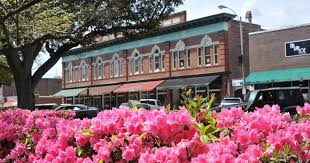
Spring in Summerville feels like the version people fall in love with
If you ask people when Summerville feels best, a lot of them will probably say spring.
This is when the town really leans into its community identity. The official events and visitor pages highlight Flowertown Festival, Third Thursday, the Summerville Farmers Market, and other seasonal events that make downtown and public spaces feel active and local. The Farmers Market runs on Saturdays from April through December, and the visitor site specifically calls out annual favorites like Flowertown Festival and the Sweet Tea Festival as core parts of life in town.
That matters because spring gives buyers a pretty good picture of why people enjoy living here. It feels social without being overwhelming. Busy, but in a local way.
Summer is hot, humid, and very South Carolina
This is the part you want to go into honestly.
Summerville summers are hot. Not “a little warm.” Actually hot. WeatherSpark’s current climate summary shows the hot season lasting about 3.7 months, from late May to mid-September, with average daily highs above 84°F. July averages around 91°F, and climate data also shows summer rainfall picking up, with July and August among the wetter months.
That does not stop people from enjoying Summerville. It just changes how daily life feels:
mornings matter more
parks and outdoor time often happen earlier or later
shaded walks feel better than midday errands
splash pads, pools, and indoor breaks become part of the routine
For families, that is manageable. You just plan differently.
Fall is one of the easiest times to enjoy daily life
Fall is when a lot of buyers start to really “get” Summerville.
The weather usually eases up. The town still feels active. The event calendar stays alive. The official visitor and town pages continue to highlight local events and downtown activity, and the Farmers Market is still running through December.
This time of year tends to feel more comfortable for:
walking downtown
outdoor family time
local events
neighborhood routines that are not built around avoiding the heat
For a lot of people, fall is when Summerville feels easiest to enjoy.
Winter is mild compared with a lot of the country
Winter is one of the reasons some relocation buyers like the Charleston area in general, and Summerville benefits from that too.
It is not tropical in winter, but it is much milder than many northern and midwestern markets. The cool season lasts about 2.9 months, and January averages around 59°F for highs and 39°F for lows.
That means winter in Summerville often feels more usable than in colder markets. People still get outside. Events still happen. Day-to-day life does not shut down the way it does in some parts of the country.
That can be a real quality-of-life upgrade for buyers relocating from colder climates.
Year-round, Summerville feels more community-driven than some buyers expect
This is one of the bigger surprises for out-of-state buyers.
Some suburban towns feel interchangeable. Summerville usually does not. The official visitor site and town calendar make it clear that local events, downtown activity, markets, and public gathering spaces are part of the town’s identity. The town’s calendar currently shows recurring community activities, and the special events pages center things like Hutchinson Square, concerts, and annual celebrations.
That gives Summerville a different feel than a place that is just subdivisions and chain stores.
Downtown Summerville matters more than people think
When people talk about what makes Summerville feel like Summerville, they are usually talking about more than square footage and neighborhoods. They are talking about the downtown core.
The Farmers Market, seasonal events, and regular public programming all point back to the fact that downtown Summerville plays a real role in everyday life. It is not just decorative. It is part of the town’s rhythm.
For buyers, that helps answer a bigger question:
Does this place have a life outside the house?
In Summerville, the answer is usually yes.
The biggest year-round downside is traffic
This part needs to be said plainly.
Traffic is part of living in Summerville year-round. It is not just a once-in-a-while frustration. It is one of the consistent tradeoffs that comes with growth. The town maintains a Comprehensive Traffic Plan, and older public meeting notes and planning reports make it clear that congestion has been a major concern for years. The town has also completed road projects specifically described as helping relieve congestion in areas like Azalea Square.
That does not mean Summerville is a bad place to live. It means you should think about:
where you work
where the kids go to school
how often you need to cross town
whether you are okay with growth-related traffic as part of life
Leah Beaulieu and BJ Rodgers with Coast2Coast Properties help buyers think through that before they fall in love with the wrong location inside Summerville.
Growth is part of the year-round feel too
Summerville is not standing still.
You feel that in the roads, the neighborhoods, the commercial areas, and the planning conversations. The town’s official materials and planning documents make it clear that growth, infrastructure, and transportation are ongoing parts of the local story.
For some buyers, that is a positive. It means more amenities, more housing choice, and more momentum.
For others, it changes the feel of the place. They wanted “small town,” and they realize Summerville is really more like a growing town with a small-town center.
That distinction matters.
Who usually likes living in Summerville year-round?
Summerville often works well for people who want:
a suburban routine
local events and community life
a milder winter climate
more neighborhood feel than urban energy
a place where parks, markets, and family events are part of the year
It tends to work especially well for buyers who are not looking for a coastal lifestyle every day, but still want access to the broader Charleston area.
Who may feel less excited after the move?
Summerville may feel less ideal year-round for buyers who want:
to be close to beaches
a shorter commute across the metro
a more urban or in-town setup
less traffic
a quieter, slower-growth place than Summerville actually is
That is usually where disappointment comes from. Not because Summerville is bad, but because the buyer wanted something else.
A realistic example
This happens a lot.
A buyer moves to Summerville because they want more space and a more neighborhood-driven life. At first, they focus on the house. Then the year fills in around it.
Spring feels great because of downtown events and the market. Summer reminds them this is still South Carolina. Fall feels easy and active. Winter feels mild compared with where they came from. Somewhere in that cycle, they either decide, “Yes, this is exactly what we wanted,” or they realize they miss being closer to the Charleston core.
That is why a year-round lens matters. It helps buyers think past move-in day.
FAQ: What is it really like to live in Summerville, SC year-round?
Is Summerville, SC hot in the summer?
Yes. Climate summaries show a hot season lasting about 3.7 months, with July averaging around 91°F for highs and 72°F for lows.
Are winters mild in Summerville?
Yes. January averages are around 59°F for highs and 39°F for lows, which is much milder than many parts of the country.
Is there much to do in Summerville year-round?
Yes. The town and visitor sites highlight recurring events, markets, concerts, and festivals like Flowertown Festival, Third Thursday, and the Summerville Farmers Market.
What is the biggest downside of living in Summerville year-round?
Traffic is one of the biggest downsides. Official town planning resources and traffic documents show that congestion has been a long-term local concern.
Does Summerville feel like a small town?
In some ways, yes, especially around downtown and community events. But it is also a growing town with real development and traffic, so it does not feel frozen in time.
Final answer
Living in Summerville, SC year-round usually feels like a mix of suburban routine, local community life, mild winters, hot humid summers, and steady growth. For a lot of buyers, that is a really good mix. The challenge is making sure you want the actual day-to-day version of Summerville, not just the idea of it.
Leah Beaulieu and BJ Rodgers at Coast2Coast Properties help buyers understand what life in Summerville actually feels like across the full year, so the move fits the routine, not just the listing. Coast2Coast Properties is a Charleston, South Carolina real estate team helping buyers compare Summerville and other Charleston-area communities with more clarity and less guesswork.
Coast2Coast Properties
www.coast2coastprop.com
843-697-1409 / 803-201-4259
About the authors
Leah Beaulieu and BJ Rodgers are Charleston, South Carolina real estate professionals with Coast2Coast Properties, helping buyers compare Summerville neighborhoods, understand local lifestyle tradeoffs, and find the right fit across the Charleston area.