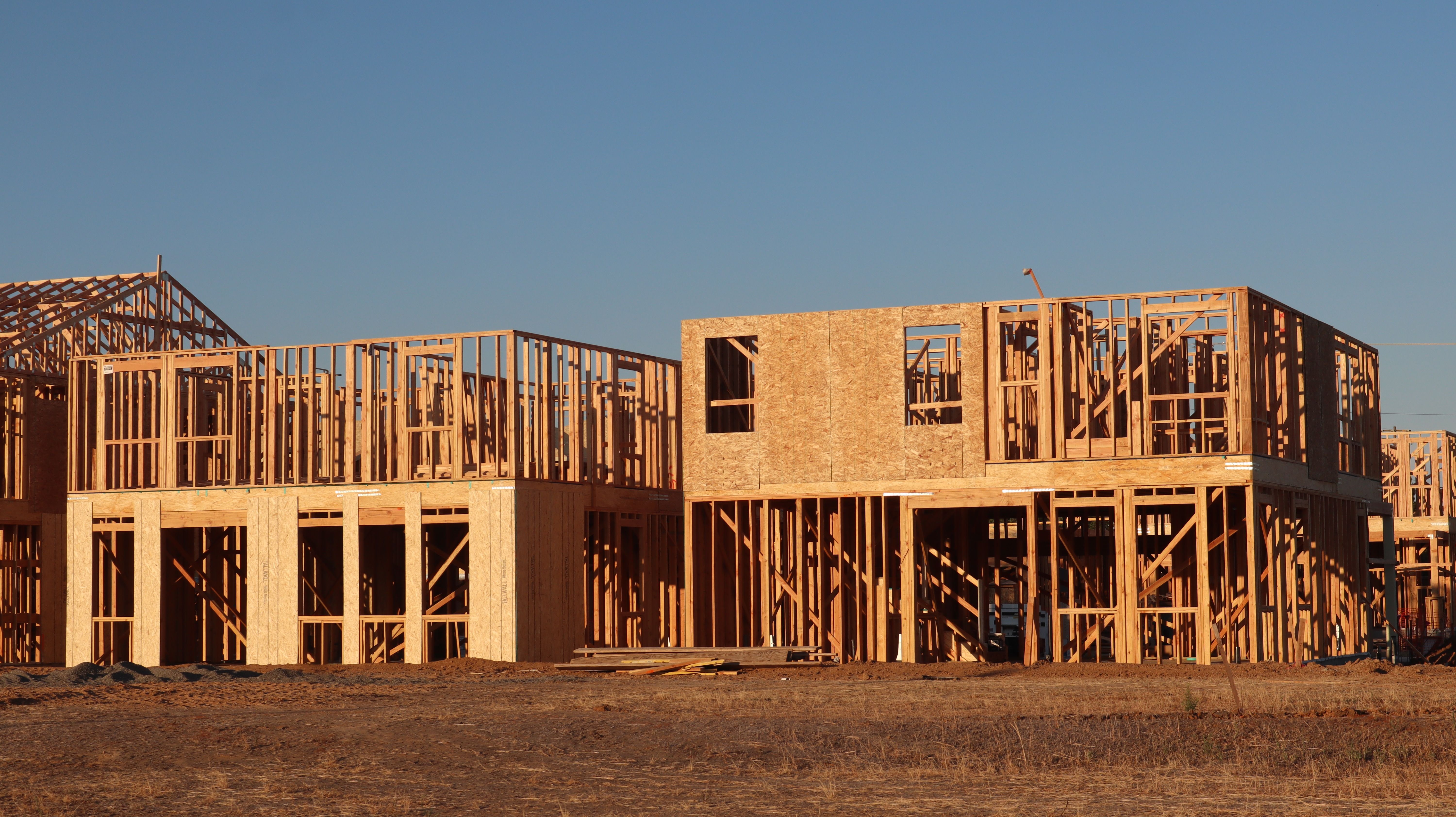
What to Look for in a Hurricane-Ready Luxury Home
What to Look for in a Hurricane-Ready Luxury Home
By Leah Beaulieu & BJ Rodgers, Coast2Coast Properties
Published: September 2026
Updated: September 19, 2026
Location: Charleston, South Carolina (Coastal Luxury Homes)
The Short Answer
A truly hurricane-ready luxury home isn't about panic-buying plywood each September. It's about permanent structural reinforcements that survive 150+ mph winds without needing repairs. Here's what separates a genuinely protected luxury home from one that's merely hoping for the best:
- Roof-to-wall clips and continuous strapping: The single most critical feature. Prevents roof lift, which prevents catastrophic interior damage.
- Impact-rated windows and reinforced doors: All openings must resist wind-borne debris. Non-impact windows are the #1 failure point in hurricanes.
- Elevated mechanical systems: HVAC, electrical, and water heating must sit above flood elevation. Ground-level systems flood instantly.
- Reinforced roof structure: Metal roof or reinforced sheathing rated for 150+ mph winds. Older tile roofs fail at 120+ mph.
- Whole-home generator with fuel storage: Power loss after a hurricane can last weeks. A 20–26kW generator runs your entire home.
- Flood barriers and water management: Proper drainage, sump systems, and perimeter sealing prevent water intrusion from surge and rain.
- Reinforced garage doors: Garage door failure causes immediate pressure loss and structural collapse. Hurricane-rated doors are mandatory in Wind-Borne Debris Regions.
- Code compliance (2026 standards): Homes built or renovated before 2015 likely don't meet current building codes. Retrofit costs are steep but essential.
The realistic price: A comprehensive hurricane hardening package for a 2,000–5,000 sq ft luxury home costs $75,000–$250,000+ depending on what's already in place.
The insurance payoff: Impact windows alone save $400–$1,200 annually on insurance premiums. Over 10 years, that's $4,000–$12,000 in savings.
Roof-to-Wall Connection: The Most Critical Feature
When hurricanes destroy homes, they often start at the roof. A hurricane's wind creates pressure changes that try to lift the roof off the frame. If the roof separates, the walls and interior follow—total structural failure.
What Makes a Roof Secure
Roof clips and straps connect rafters, trusses, and roof sheathing directly to the top plates of walls, and those wall plates connect to embedded anchor bolts in reinforced concrete blocks or foundations. This creates an interlocked "box" that resists both uplift (wind trying to lift the roof) and lateral loads (wind trying to push the house over).
Modern hurricane code requires:
- Reinforced roof-to-wall connections using metal L-brackets rated for 150+ mph winds
- Continuous galvanized metal strapping from roof trusses down through walls to foundation anchor bolts
- Self-adhered underlayment on roof decking to provide secondary water protection
- 5/8" structural sheathing on roof and walls (not 1/2", which fails at high winds)
Retrofit Cost
Installing hurricane roof clips and straps on an existing home costs $15,000–$30,000+ depending on roof size and complexity. This is the single most valuable hurricane retrofit you can do.
How to Identify If Your Home Has This
Ask your inspector or local building department:
- "Does this home have roof-to-wall clips rated for 150 mph winds?"
- "When was the roof last replaced, and does it meet 2026 building code for roof strapping?"
- "Can you show me evidence of continuous metal strapping from roof to foundation?"
If the answer is "I don't know" or "No," plan on $15,000–$30,000 retrofit cost.
Impact Windows and Doors: The Second Most Critical Feature
Windows are the most common failure point in hurricanes. Once a window breaks, pressure inside the home spikes, walls buckle outward, and the roof fails. It all starts with a broken window.
What "Impact-Rated" Means
Impact windows have two thick panes of tempered glass with a layer of polyvinyl butyral (PVB) in between—the same material used in car windshields. When a 2x4 board hits an impact window at 100+ mph, the glass breaks but stays stuck to the PVB layer, maintaining the seal and keeping wind/water out.
Standard windows shatter completely, allowing wind to enter and pressure to spike.
Cost for Impact Windows
- Charleston average per window: $1,730–$1,979 installed
- Range across all options: $1,350–$2,700 per window installed
- For a 40-window luxury home: $54,000–$108,000 total
- For a 50+ window estate: $67,500–$135,000+ total
Premium options (high-end frames, custom sizes) can exceed $3,000 per window.
Impact Doors
- Standard impact door: $1,500–$3,500 installed
- Premium sliding glass doors (8–12 ft): $5,000–$15,000+ installed
- For a luxury home with 6–8 exterior doors: $15,000–$45,000 total
Insurance Savings
The good news: Impact windows and doors can reduce annual insurance premiums by $400–$1,200 per year in Charleston and coastal South Carolina. Over 15 years, this equates to $6,000–$18,000 in savings—offsetting much of the installation cost.
How to Verify Impact Rating
Look for:
- ASTM E1886 and E1996 certification (the tests that verify impact rating)
- Miami-Dade County approval (strictest testing standard)
- Manufacturer label on the frame indicating wind/impact rating
- Builder certification that all openings meet code (2026 Charleston building code requires impact windows within Wind-Borne Debris Regions)
If windows are original to the home and installed before 2015, assume they're not impact-rated. Retrofit cost is unavoidable.
Elevated Mechanical Systems: The Third Line of Defense
Hurricanes cause flooding. Flood destroys electrical systems, HVAC units, water heaters, and generators if they sit at ground level or below flood elevation.
What Needs Elevation
- HVAC outdoor unit — Should sit 3–4 feet above ground or flood elevation
- Water heater — Must be elevated if in a flood zone
- Electrical panel and breaker box — Should be above flood elevation when possible (though some can be hardened rather than moved)
- Sump pump and water management system — Below-slab or exterior sump pits that fill with surge water become useless
- Gas meter and fuel lines — Should be elevated for safety
Elevation vs. Flood-Proofing
True elevation is best: move systems above the flood line. Flood-proofing (sealing around systems, waterproof barriers) is a second choice when elevation is impossible.
Cost to Elevate Mechanical Systems
HVAC relocation: $20,000–$50,000+ depending on location (attic, rooftop, or ground-level relocation to a new elevated platform)
Water heater relocation: $3,000–$8,000 depending on fuel type and distance
Electrical panel upgrade/relocation: $5,000–$15,000+ if repositioning is needed
Sump pump and interior drainage system: $8,000–$20,000 for a comprehensive system with battery backup
Total mechanical system elevation cost for a luxury home: $40,000–$90,000+
How to Verify During Home Purchase
- Walk the mechanical room or yard. Is the HVAC unit sitting on a concrete pad at ground level, or elevated on a platform?
- Check the Base Flood Elevation (BFE) for your property. All critical systems should sit above it.
- Have your inspector photograph and document the elevation of each mechanical component.
- Ask the seller: "Have mechanical systems been elevated to meet current flood zone requirements?"
Whole-Home Generator: Power When the Grid Dies
After a hurricane, power can remain out for 2–4 weeks in some areas. Without backup power, you lose:
- Air conditioning (dangerous in summer)
- Water pressure (well pumps fail without power)
- Refrigeration (food spoils)
- Security systems
- Medical equipment and medications
- Internet and communication
Whole-Home Generator Specifications
A permanent whole-home generator sits outside your home on a concrete pad, connects to your natural gas or propane line, and automatically starts within milliseconds of a power outage. It powers your entire home through a transfer switch.
Capacity needed:
- Small luxury homes (2,000–3,000 sq ft): 12–16kW
- Typical luxury homes (3,000–5,000 sq ft): 20–26kW
- Large estates (5,000+ sq ft with pool, spa, EV charger): 30–48kW+
Why capacity matters: Your generator must handle HVAC startup load (high initial spike) plus all other systems running simultaneously.
Generator Cost and Installation
- Unit cost: $6,000–$12,000 depending on capacity
- Installation (transfer switch, fuel line, concrete pad): $3,000–$8,000
- Total installed: $10,000–$20,000 for typical luxury home
Fuel Options
- Natural gas: Essentially unlimited supply (pipes run to your home). Best for permanent standby.
- Propane: Tank holds 500–1,000 gallons. Can run 7–10 days on full tank at typical usage. Requires refills after extended outages.
- Hybrid systems: Natural gas primary, propane backup. Most reliable for luxury homes.
Maintenance
Whole-home generators require:
- Annual service and testing: $200–$400
- Spark plug replacement every 200 hours: $500–$800
- Oil changes: $300–$600 annually
Plan $500–$1,000 annually for maintenance.
Reinforced Roof Structure
Roofs age and weaken. An old roof with missing shingles, deteriorated underlayment, or inadequate fasteners fails at 100–120 mph. A properly reinforced roof survives 150+ mph.
What Strengthens a Roof
- Metal roof (best option) rated for 150+ mph winds
- Asphalt shingles rated for 150+ mph (with proper fastening)
- Reinforced roof deck using 5/8" plywood (not 1/2", which is too thin)
- Proper roof-to-wall connections (clips and straps, covered above)
- Adequate ventilation to prevent pressure buildup
- Quality flashing around penetrations (chimney, vents)
Inspection Red Flags
- Roof age 20+ years (nearing end of life; winds over 100 mph cause failures)
- Missing or lifted shingles (indicates poor fastening or underlayment failure)
- Sagging roof line (structural issue, likely pre-dates modern code)
- Visible rust on flashing or metal components
- Inadequate fastening (single nails instead of multiple, or non-galvanized fasteners)
Roof Retrofit Cost
- Re-roof with hurricane-rated shingles: $15,000–$35,000
- Install metal roof: $20,000–$40,000+ (more expensive but lasts 50+ years)
- Add roof clips and strapping (without re-roof): $15,000–$25,000
For a luxury home, expect $25,000–$50,000 for comprehensive roof reinforcement.
Hurricane-Rated Garage Doors
When garage doors fail in hurricanes, the entire structure can collapse. Wind enters the garage, pressure spikes inside the home, walls buckle, and the roof lifts off.
Standard vs. Hurricane-Rated Doors
Standard garage door: Single-layer aluminum or steel, no internal reinforcement. Fails at 100–110 mph.
Hurricane-rated door: Multi-layer, foam-filled, with internal bracing. Rated for 150+ mph.
Cost
- Hurricane-rated single-car door: $2,500–$4,500 installed
- Hurricane-rated double-car door: $4,500–$8,000+ installed
For homes with multiple garage bays, retrofit costs quickly exceed $15,000–$20,000.
What to Look For
- Ask about wind rating at time of purchase (120 mph, 150 mph, etc.)
- If door is original to home and installed before 2015, it's almost certainly not hurricane-rated
- Verify installation by a licensed contractor (improper installation voids the rating)
Water Management and Flood Barriers
Hurricanes don't just blow; they flood. Even with perfect roof and windows, water enters homes through drainage failures, foundation cracks, and inadequate grading.
Essential Water Management Components
Interior drainage:
- Sumps with backup battery-powered pumps
- Proper foundation drains
- Interior perimeter sealing
Exterior barriers:
- Proper grading (slope water away from foundation)
- Drainage swales and gutters (sized for heavy rain)
- Perimeter waterproof membranes on foundation
- Flood vents (if in high-risk flood zone) to equalize pressure
Pre-storm preparation:
- Sandbag barriers or temporary flood walls
- Waterproof door seals
- Window frame sealant
Cost
- Comprehensive interior/exterior drainage system: $8,000–$20,000
- Flood vents (if needed): $2,000–$5,000
- Waterproof membranes on foundation: $5,000–$15,000
- Temporary flood barriers (sandbags, panels): $500–$2,000 annually
The Biggest Mistake Hurricane-Ready Buyers Make
Assuming "hurricane-resistant" branding means structural readiness.
Marketing terms like "hurricane-proof" or "storm-ready" mean nothing without certification. A home claiming to be "hurricane-resistant" could just mean it has impact windows—but no roof clips, no elevated mechanicals, and a deteriorating roof.
What to demand:
- Building permit history and inspection reports from when the home was built or last renovated
- Specific certification for each component (impact windows ASTM E1886, roof-to-wall clips, etc.)
- Professional engineering assessment from a structural engineer (not just the seller's claim)
- Insurance company approval — Get a property insurance quote; insurers won't cover homes that don't meet code
A $5M "hurricane-resistant" home that can't get insurance isn't truly ready.
A Realistic Example: Typical $3.5M Luxury Home Retrofit
Scenario: $3.5M luxury home built in 2005, needs hurricane hardening to meet 2026 standards and reduce insurance.
Current Status:
- Original roof (20+ years old, needs replacement)
- Single-pane windows with storm shutters (no impact windows)
- Ground-level HVAC and electrical panel
- No generator
- Adequate grading but no interior sump
Retrofit Breakdown:
| Component | Cost | Priority |
|---|---|---|
| New roof with hurricane clips/straps | $35,000 | Critical |
| Impact windows (45 windows @ $1,850 avg) | $83,250 | Critical |
| Impact doors (3 large doors @ $6,000) | $18,000 | Critical |
| Elevate HVAC to rooftop platform | $28,000 | High |
| Relocate water heater and elevate panel | $8,000 | High |
| Install 20kW whole-home generator | $16,000 | High |
| Interior sump system with backup pump | $12,000 | Medium |
| Perimeter sealing and flood barriers | $6,000 | Medium |
| Garage door replacement (hurricane-rated) | $7,500 | High |
| Total Retrofit | $213,750 | — |
Annual Savings from Improvements:
- Impact windows/doors: -$800/year insurance
- Elevated mechanicals: -$300/year insurance
- Generator: +$700/year maintenance
- Net annual savings: -$400/year (-$400 = your insurance decreases by $400)
10-year payback: $10,000 insurance savings vs. $213,750 investment = 21-year payback.
However, the real value is peace of mind, structural protection, and resale: homes with comprehensive hurricane hardening show 8–12% premium at resale to informed buyers.
FAQ: Hurricane-Ready Luxury Home Features
Q: Do I really need impact windows if I have hurricane shutters?
A: No, but only if your shutters are installed and closed every time a hurricane threatens. Removable storm panels require manual deployment. Impact windows are permanent protection. For luxury homes with $5M+ values, impact windows are the norm.
Q: How do I know if my roof meets current building code?
A: Have a structural engineer inspect and certify. Building permit records show when it was last replaced; if before 2010, retrofit is recommended. If before 2000, retrofit is essential.
Q: Can I deduct hurricane hardening costs on my taxes?
A: Home improvements are generally not deductible, but consult your accountant. In some states, hurricane hardening may qualify for energy tax credits (secondary benefit of improvements).
Q: Will my insurance company require these improvements?
A: Possibly. If you're in a FEMA high-risk flood zone or Wind-Borne Debris Region, insurers may require impact windows, proper elevation, and code-compliant roof before issuing a policy. Get insurance quotes before buying; don't assume insurability.
Q: How long do impact windows last?
A: 25–30 years with proper maintenance. They're expensive upfront but much cheaper than replacing failed windows during evacuation or after a storm.
Q: Can I retrofit my garage door with hurricane plywood instead of buying a hurricane-rated door?
A: Plywood provides short-term protection if installed before a storm. But a true hurricane-rated door is structural and rated for permanent protection. For luxury homes, a proper door is expected.
Q: Is a generator worth it if I can just "ride out" a hurricane?
A: If you're evacuating, probably not. But if you stay, or if post-storm power outages last weeks, a generator is invaluable. In a luxury home where comfort matters, a generator pays for itself in peace of mind.
Q: How often should I service my whole-home generator?
A: Annually before hurricane season. Test it monthly (automatic or manual). After using it during an outage, have it serviced to restore full capacity.
Q: Should I upgrade HVAC when elevating, or just relocate the existing unit?
A: If your HVAC is 12+ years old, upgrade while relocating. A new unit will be 15–20% more efficient and last 15–20 years. Total cost might be $8,000–$12,000 more than relocation alone, but long-term savings are substantial.
Q: Are there any insurance credits for hurricane hardening?
A: Yes. Impact windows, reinforced roof, and proper elevation can lower premiums 10–20% with some insurers. Get quotes from multiple carriers; rates vary.
The Bottom Line: Truly Hurricane-Ready Means Built, Not Hoping
A genuinely hurricane-ready luxury home isn't recognizable from the street. It looks like any other beautiful home. But underneath, it has:
- Roof-to-wall clips rated for 150+ mph
- Every opening protected by impact glass or rated shutters
- Mechanical systems elevated above flood zones
- A reliable generator and fuel supply
- Proper water management and flood barriers
These improvements cost $75,000–$250,000+ depending on what's already in place. But for a $3M–$5M+ luxury home, that's 2.5–8% of purchase price—a reasonable insurance policy against the one event that will destroy your asset.
Buyers who skip these improvements are gambling. When (not if) a major hurricane approaches, they'll either evacuate and lose power for weeks, or worse, suffer catastrophic damage.
The best luxury waterfront buyers treat hurricane hardening as part of the cost of ownership, not an optional luxury.
About Leah Beaulieu & BJ Rodgers — Coast2Coast Properties
Leah Beaulieu and BJ Rodgers are Charleston, South Carolina real estate professionals with Coast2Coast Properties, helping luxury buyers evaluate hurricane-ready features, understand reinforcement costs, and make informed decisions about structural protection. Whether you're buying a new construction home designed for hurricanes or retrofitting an existing luxury estate, Leah and BJ bring local knowledge, straight talk, and a commitment to helping clients build truly resilient homes.
Coast2Coast Properties
www.coast2coastprop.com
843-697-1409 / 803-201-4259