What Surprises People Most After Moving to Charleston
What Surprises People Most After Moving to Charleston
Every week, Leah Beaulieu and BJ Rodgers with Coast2Coast Properties talk to someone who just moved to Charleston and has some version of the same reaction: "nobody told me it would be like this." Some of it is wonderful. Some of it takes real adjustment. Either way, we would rather tell you now than let you find out the hard way after closing.
So what actually surprises people most after moving to Charleston, SC? The biggest surprises are the intensity of the summer humidity, how common palmetto bugs are, how much traffic has grown in the last few years, how differently downtown and the islands feel during tourist season, and how much higher homeowners insurance runs here compared to wherever people moved from. On the flip side, most people are surprised by how friendly their new neighbors are and how quickly Charleston starts to feel like home.
The Humidity Is a Different Kind of Hot
People who moved from Arizona or even Texas tell us the same thing: Charleston heat feels different. Average humidity here runs 67 to 79 percent depending on the month, and combined with summer temperatures in the 90s, the dew point makes stepping outside in July feel like walking into a wall. New residents usually adjust within their first summer, learning to plan outdoor activities for early morning or after sunset, but almost nobody expects it to hit them quite this hard the first year.
The upside most people don't anticipate: Charleston's shoulder seasons, spring and fall, are genuinely spectacular, and locals lean hard into that window for anything outdoors.
Yes, the Bugs Are Real (Especially Palmetto Bugs)
Palmetto bugs, the large flying roaches common throughout the humid Lowcountry, catch almost every newcomer off guard. They are a normal part of coastal living here, not a sign of an unclean home, and most Charleston residents handle them with routine pest control and by sealing up entry points around the house. Still, the first encounter tends to be memorable, and it is worth mentioning up front rather than letting a new homeowner discover it alone at eleven at night.
Traffic Has Gotten Noticeably Worse
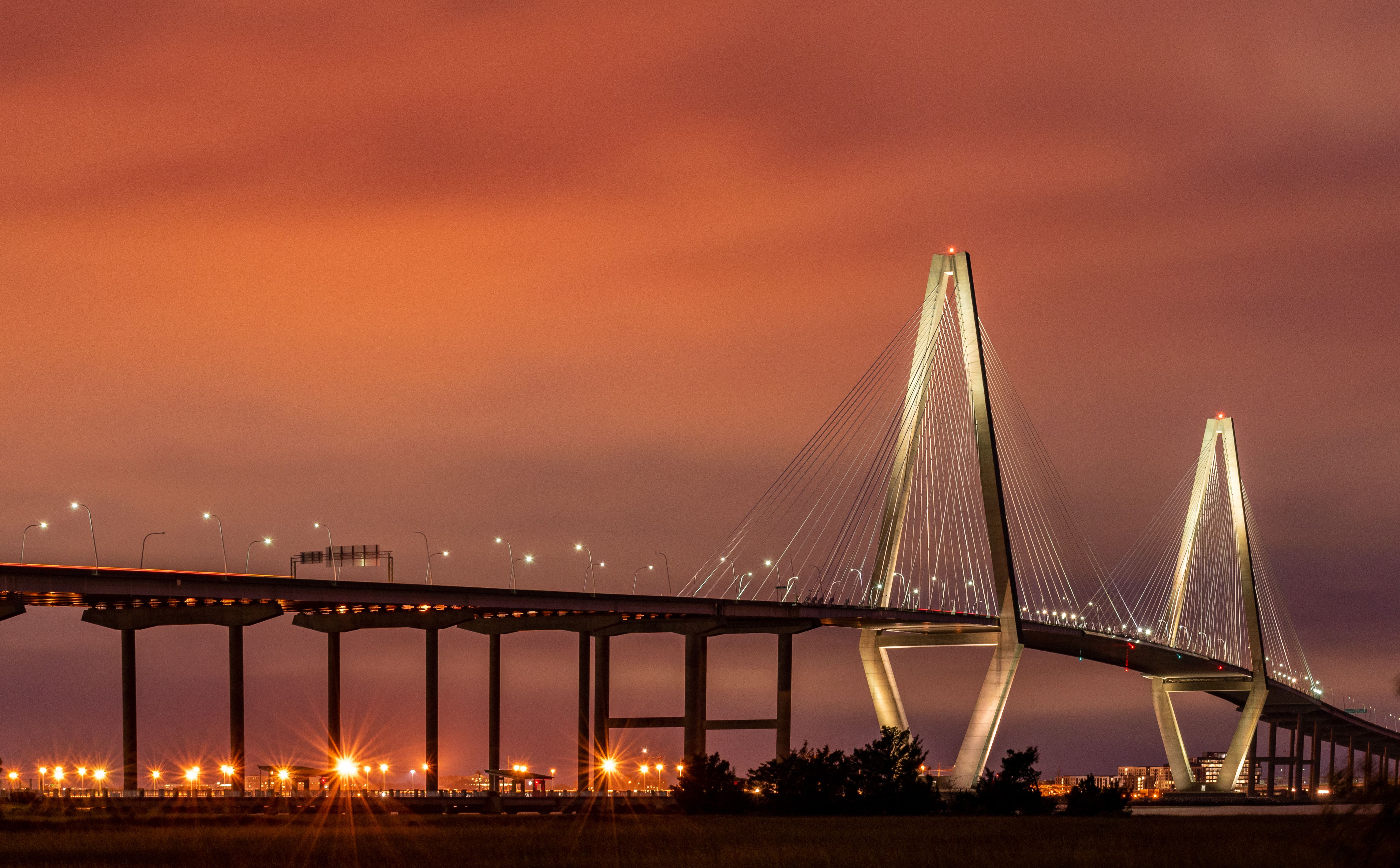
Charleston's geography, rivers, marshes, and a handful of key bridges, means traffic does not behave the way it does in most cities. TomTom's most recent Traffic Index shows Charleston drivers losing around 48 hours a year to congestion, with evening rush hour congestion hitting roughly 63 percent and a typical 10 kilometer drive now taking over 16 minutes, both worse than the year before. South Carolina has been one of the fastest-growing states in the country in recent years, and a lot of that growth has landed right here in the Charleston region, which is exactly why long-time residents keep saying the drive across the Ravenel Bridge or through West Ashley feels different than it did five years ago.
New residents from bigger metros sometimes assume Charleston's smaller size means an easy commute. The bridges and limited routes usually prove that assumption wrong within the first month.
Tourist Season Changes Everything Downtown and on the Islands
Downtown Charleston, Folly Beach, Isle of Palms, and Sullivan's Island all feel like completely different places in July compared to February. Parking gets scarce, restaurant waits get long, and simple errands take longer than they should during peak tourist months. Residents who live downtown or near the beaches learn to plan around it, running errands early or avoiding certain streets entirely on summer weekends, but new arrivals are consistently surprised by how much the tourist calendar shapes daily life here.
Insurance Sticker Shock Catches Almost Everyone
This is the surprise with the biggest financial weight. Homeowners insurance in Charleston averages around $3,883 a year, more than $1,300 above the national average, according to Insure.com, and that number climbs further for homes in or near flood zones. Buyers relocating from inland states are almost always caught off guard by their first Charleston insurance quote, which is why Leah Beaulieu and BJ Rodgers push every client to get real insurance quotes on a specific address before falling in love with a house, not after.
The Surprises Nobody Complains About
For every surprise that takes adjustment, there is one that makes people glad they moved. New residents consistently tell us they underestimated how friendly Charleston is, how much the local food scene delivers on its reputation, and how genuinely beautiful the marsh, water, and live oak canopy feel once you are living among them instead of just visiting. Those surprises tend to be the ones that stick, long after the humidity and traffic have become just part of normal life.
The Biggest Mistake People Make
The biggest mistake we see is treating Charleston like a vacation destination rather than a place to actually live day to day. Visiting in October and loving it is not the same as budgeting for August humidity, a real insurance bill, and a commute that gets worse every tourist season. Talk to people who actually live here, not just people who have visited, before you commit to a specific neighborhood.
A Realistic Example
The Kowalskis moved to Charleston from Chicago expecting a smoother transition than they got. Their first July here, combined with a homeowners insurance quote nearly triple what they paid in Illinois, had them questioning the move within weeks. Leah Beaulieu and BJ Rodgers walked them through what was normal adjustment versus what actually needed a plan, helped them budget realistically for insurance going forward, and by their second spring they told us Charleston finally felt like home rather than an extended vacation gone sideways.
Frequently Asked Questions
What is the biggest adjustment for people moving to Charleston, SC?
Most new residents say the summer humidity is the hardest adjustment, followed closely by the higher cost of homeowners insurance compared to other parts of the country.
Are palmetto bugs really that common in Charleston?
Yes, they are a normal part of the humid Lowcountry climate and show up in well-kept homes just as often as older ones. Routine pest control and sealing entry points keep them manageable.
Has traffic in Charleston actually gotten worse?
Yes. Recent TomTom Traffic Index data shows Charleston drivers losing around 48 hours a year to congestion, with delays increasing compared to the prior year, largely tied to the region's rapid population growth.
Why is homeowners insurance so much higher in Charleston than other states?
Coastal hurricane exposure, storm surge risk, and widespread flood zone designation throughout the flat, low-lying region all push insurance costs well above the national average here.
Does tourist season really affect residents, not just visitors?
Yes, especially downtown and on the barrier islands. Parking, restaurant wait times, and everyday errands all get noticeably harder during peak summer tourist months.
What do people say they love most after moving to Charleston?
The friendliness of the community, the strength of the local food scene, and the natural beauty of the marshes and waterways are the surprises new residents mention most often in a good way.
Should hurricane season stop someone from moving to Charleston?
Most residents adapt to hurricane season as part of normal coastal living rather than treating it as a dealbreaker, though it is worth budgeting for prep costs and insurance realistically before you buy.
Is Charleston still a good place to move to despite these surprises?
Absolutely, most people who move here stay, and the honest surprises are far more about adjustment than regret once new residents settle into their first full year.
Final Answer
Charleston rewards people who move here with realistic expectations. The humidity, the bugs, the traffic, the tourist season, and the insurance bill are all real, and none of them are secret once you actually live here rather than just visit. What tends to matter more in the long run is the community, the food, and the natural beauty that keep people here long after they've adjusted to the rest.
Leah Beaulieu and BJ Rodgers with Coast2Coast Properties would rather give relocating buyers the full picture upfront than let them find it out the hard way after closing.
About Leah Beaulieu & BJ Rodgers — Coast2Coast Properties
Leah Beaulieu and BJ Rodgers are Charleston, South Carolina real estate professionals with Coast2Coast Properties, helping buyers compare neighborhoods, understand local market differences, and find the right fit across the Charleston area. Whether you are buying your first home, relocating to the Lowcountry, or looking for investment opportunities, Leah and BJ bring local knowledge, straight talk, and a genuine commitment to helping clients make smart decisions.
Coast2Coast Properties
www.coast2coastprop.com
843-697-1409 / 803-201-4259