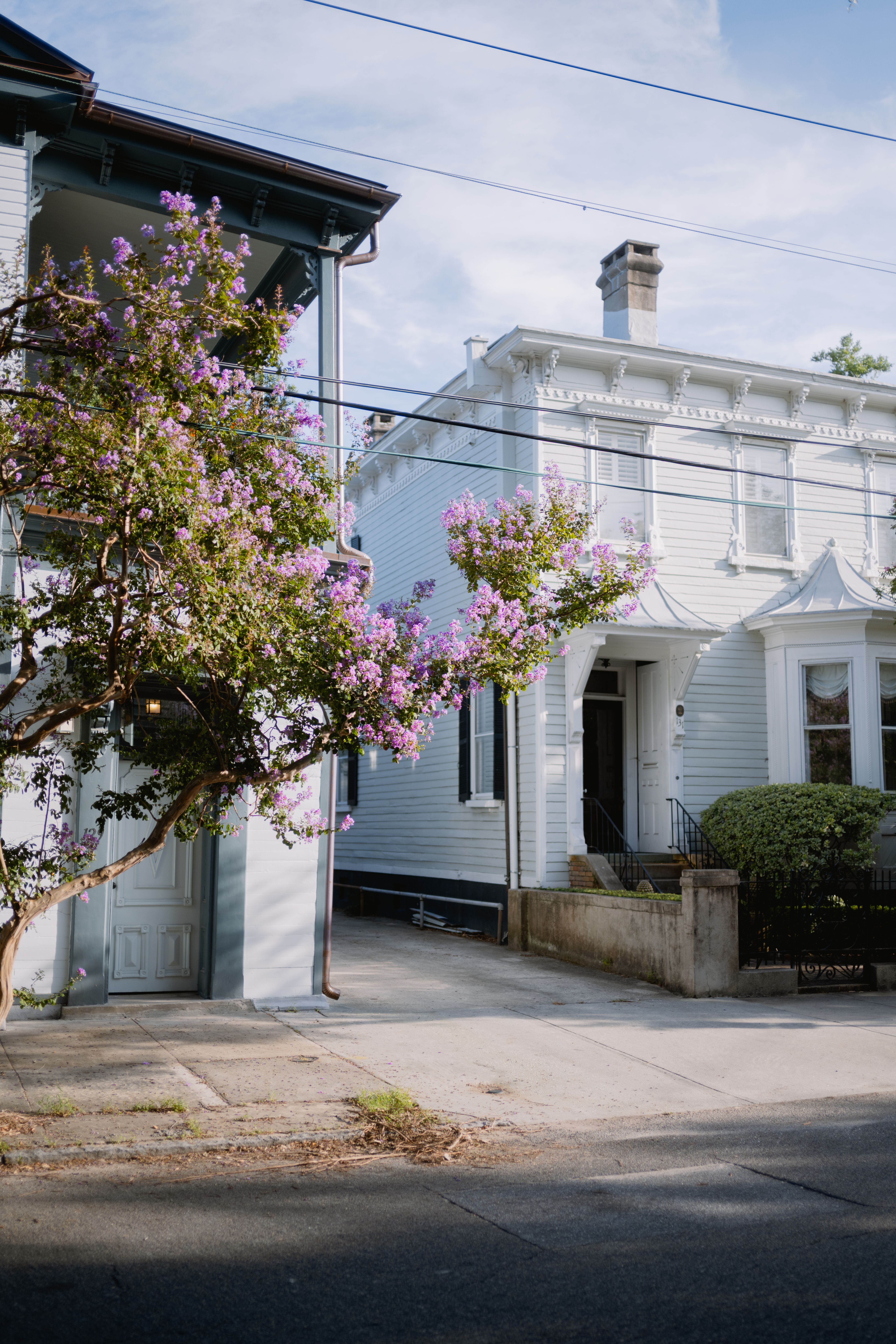
What You Need to Know Before Buying a Historic Charleston Home: The Real Costs and Hidden Traps
What You Need to Know Before Buying a Historic Charleston Home: The Real Costs and Hidden Traps
Historic homes in downtown Charleston — the single houses in South of Broad 29401, the federal-era cottages in Harleston Village 29403, the Victorian mansions throughout the Peninsula — are among the most romantic, architecturally significant properties on the market. They're also among the most expensive per square foot, require specialized knowledge to evaluate, and carry hidden costs that can exceed $50,000-$150,000 if you're not careful about what you're buying.
Leah Beaulieu and BJ Rodgers with Coast2Coast Properties have guided dozens of buyers through historic home purchases — some brilliant decisions, some near-catastrophic ones. The difference isn't the property; it's whether buyers understand what they're actually committing to.
The Short Answer
- Historic homes require COA (Certificate of Appropriateness) approval for any visible exterior change, adding 4-8 weeks and 10-20% cost to typical renovations
- Mechanical systems in homes built before 1920 are often original, inefficient, or failing — budget $15,000-$50,000 for electrical, plumbing, HVAC replacement or upgrade
- Foundation problems are common in 150+ year-old homes; expert inspection ($2,000-$3,000) is non-negotiable before purchase
- Flood insurance for downtown historic homes in AE zones costs $250-500/month, or $3,000-$6,000 per year
- Older homes built with lime mortar, tabby construction, or other period materials require specialized contractors; hiring standard builders leads to $10,000-$30,000 in expensive mistakes
- Historic district rules restrict exterior paint colors, window styles, roof materials, and even fence design — this is not a gotcha, it's the reason these neighborhoods are valuable
- Many "renovated" historic homes were poorly renovated — unpermitted work, incompatible materials, failing systems masked by cosmetic upgrades
- The most expensive historic homes are not always the best investments; character and location matter more than size or age
- Buying a historic home is an emotional and financial decision; the two must align or you'll resent the purchase
Historic District Rules and COA: Non-Negotiable Reality
Every property in downtown Charleston's historic district — whether South of Broad, Harleston Village, Ansonborough, or Cannonborough-Elliotborough — requires a Certificate of Appropriateness (COA) from the Charleston Board of Architectural Review for any visible exterior change.
This is not negotiable. It's not a gotcha. It's the reason these neighborhoods are valuable.
Examples of work requiring COA approval: new windows, replacement windows that don't match the original style, roof material changes, exterior paint colors (yes, even paint — there are approved palettes), new doors or replacement doors, fence replacement or repair, garage door changes, shutters, siding replacement, even minor exterior trim work.
The COA approval process adds time and cost. A typical project goes like this: contractor prepares drawings showing existing and proposed conditions, you submit drawings to the Board of Architectural Review, the Board reviews (2-6 weeks typically), the Board approves or requests modifications (adding weeks), and then you can begin work.
For minor projects — replacing a cracked window pane with matching historic glass, repainting in an approved color, minor roof repair with matching materials — the process is straightforward and inexpensive.
For significant renovations — replacing original windows, changing roof material, or major exterior work — the process requires a historic contractor who understands the Board's preferences, which adds 10-20% to the project cost.
Leah Beaulieu and BJ Rodgers always emphasize this: the COA process is not the enemy; it's the reason these neighborhoods have preserved their architectural character and value. If you resent having to follow design guidelines, downtown is not for you.
But if you love historic architecture and are willing to work within those constraints? The character and value preservation make it worthwhile.
Mechanical Systems: The Hidden Disaster Zone
Most downtown Charleston historic homes were built between 1800 and 1920. Their electrical systems, plumbing, and HVAC are nearly universally original, failing, or incompatible with modern demands.
Electrical systems in 150-year-old homes were designed for gas lamps and a handful of light fixtures. The wiring is often cloth-insulated and fragile; the capacity is dangerously inadequate for modern appliances, air conditioning, and heated floors. Replacing a home's electrical system — a complete rewire from the service panel — costs $15,000-$25,000 and requires COA approval for any visible work.
Plumbing in old homes carries lead pipes (a serious health risk), cast iron drain lines that are deteriorating, and water supply pressure that's often inadequate. A full replumb can cost $10,000-$20,000.
HVAC: Historic homes were designed for natural ventilation. Adding central air conditioning to a home with high ceilings, multiple zones, and irregular room sizes requires significant ductwork, often requiring structural work. Expect $12,000-$25,000 for a complete system in a 3-4 story 4,000 sq ft home.
These systems are not cosmetic upgrades. They're necessary for modern living, and they're expensive.
The trap: many "renovated" historic homes have cosmetic upgrades (new kitchen, fresh paint, hardwood floors) but the underlying systems are still original or partially upgraded. An inspector missing these issues leads to post-purchase surprises.
Before you buy, hire a specialist inspector experienced with historic homes (not a standard home inspector). Budget $2,000-$3,000 for this inspection. It's the best money you'll spend.
Foundations, Structural Issues, and Materials You've Never Heard Of
Historic Charleston homes were built with materials and techniques that differ significantly from modern construction.
Many South of Broad homes (1700s-1800s) were built with tabby — a mixture of lime, crushed oyster shells, sand, and water that's incredibly durable but behaves very differently from concrete foundations. Homes built with tabby don't settle like modern foundations; they shift and settle over centuries, creating walls that lean, floors that slope, and cracks that look alarming but are often benign.
These homes often sit directly on tabby with no traditional foundation. Moisture infiltration through tabby, settling over 200+ years, previous moisture damage, and inadequate drainage can create serious problems that are invisible until you start renovation.
Foundation inspection is non-negotiable. Hire a structural engineer experienced with historic homes (not a typical home inspector). Budget $2,000-$3,000. It's not optional.
Other issues common in historic homes:
- Brick walls built with soft-mud brick that erodes faster than mortar; repointing costs $5,000-$15,000
- Lime mortar joints (traditional) that differ from modern Portland cement; using wrong mortar causes expensive damage
- Masonry walls that leak water; diagnosis and repair can cost $8,000-$20,000+
- Wood beams that have been sistered or reinforced; the original repair may have been done incorrectly
- Prior water damage that left the structure compromised but painted over
An experienced structural engineer will identify these issues. Hiring a cheap inspector and discovering these problems after closing is catastrophic.
Flood Insurance, Flood Risk, and Annual Carrying Costs
Downtown Charleston's historic neighborhoods sit in FEMA flood zones that range from minimal risk to regular inundation.
A home in South of Broad's AE zone (the most flood-prone areas) might pay $250-500/month ($3,000-$6,000/year) for flood insurance.
A home in Harleston Village's X zone (minimal flood risk) might pay $30-150/month ($360-$1,800/year).
That difference is $1,800-$5,200 per year, or $45,000-$130,000 over a 25-year mortgage.
Getting a flood zone determination and insurance quote before purchase is essential. Many buyers fall in love with a property, negotiate hard, and close before realizing the flood insurance costs $400/month more than they budgeted.
That's $4,800/year. Over 30 years, it's $144,000 in costs you didn't anticipate.
Additionally, flood insurance often requires elevation of mechanical systems (HVAC, electrical panels, water heaters) above flood level. Installing these systems higher adds cost and architectural complexity.
The Biggest Mistake Historic Home Buyers Make
The biggest mistake is buying a historic home for the image or the investment potential without committing to the lifestyle reality.
They imagine themselves in a parlor with period fireplaces, hardwood floors, gas lamps, and crown molding. They don't imagine the reality: original windows that don't insulate, ceilings lower than 8 feet upstairs, bathrooms and kitchens that are tiny by modern standards, plumbing that's temperamental, electrical capacity that's inadequate, and mechanical systems that are expensive to upgrade.
They imagine the prestige of a South of Broad address without accepting that their street will flood during high tides, tourists will walk past their windows, street parking will be a nightly frustration, and their neighbors will be a mix of owners and absentees.
They imagine renovation as "updating the kitchen and bathrooms and we're good." They don't realize that unpermitted work by previous owners, incompatible materials used in past repairs, or structural issues discovered mid-renovation can turn a $50,000 remodel into a $150,000+ project.
The successful historic home buyers are those who:
1. Genuinely love historic architecture and period details
2. Accept (not resent) the constraints of historic preservation
3. Budget conservatively for systems replacement — always budget more than you think you need
4. Get expert inspections before purchase and use those findings to negotiate
5. Hire contractors experienced with historic homes
6. Make peace with the fact that some aesthetic compromises are necessary (modern HVAC ducts won't look period; neither will modern wiring)
If you're buying a historic home hoping to flip it, hoping it will appreciate dramatically, or hoping to make it feel like a modern suburban home with period details, you're setting yourself up for disappointment.
A Realistic Example
Meet Emily and Marcus, relocating to Charleston from New York with a $1.8 million budget. They toured a beautifully renovated 1840s single house in Harleston Village listed at $1.75 million. Three stories, period details, updated kitchen, refinished hardwood, all the charm they'd dreamed of.
They didn't hire a specialized inspector. The standard home inspection found "minor settling, cosmetic cracks, dated systems but functional." They negotiated the price down $50,000 based on the inspection, closed, and moved in.
Within six months:
- The electrical system proved wholly inadequate; upgrading to modern capacity required a complete rewire ($22,000 + COA process delays)
- During the electrical work, they discovered the plumbing was corroded; full replumb added $14,000
- Undisclosed prior water damage in the rear walls required $8,000 in mold remediation and structural repair
- The "cosmetic cracks" were settling in the foundation; a structural engineer said the house would continue settling for years, requiring periodic monitoring and potential underpinning ($15,000-$30,000 future cost)
- The roof needed replacement sooner than expected; proper historic materials and contractors added $8,000 to a standard $25,000 job
Total unexpected costs: $67,000. They'd budgeted $30,000 for renovations. They were now $37,000 over budget with more work ahead.
They loved the house but deeply regretted not hiring a specialized inspector and discovering these issues before closing.
The alternative: hire the $2,500 specialized inspection. The engineer would have identified the foundation settling, electrical inadequacy, plumbing corrosion, and past water damage. Emily and Marcus could have renegotiated based on real costs, or walked away.
The best historic home buyers in Charleston are those who front-load the expert inspections and use them to make fully informed decisions.
When Is a Historic Home Worth It? When Is It a Trap?
A historic home is worth it when:
- You genuinely love period architecture and period details
- You can afford the carrying costs (mortgage, taxes, insurance, flood insurance, HOA if condo)
- You have budget buffer for system upgrades you'll discover during renovation
- You're willing to hire specialized contractors and pay for their expertise
- You accept that the aesthetic constraints of historic preservation are part of what makes the home valuable
- You're prepared to spend 10-20% more on renovations due to COA requirements and historic methods
A historic home is a trap when:
- You're buying primarily for investment/flip potential
- You want the prestige without accepting the lifestyle constraints (parking, tourists, narrow streets)
- You're underfunding your inspection and budget estimates
- You want to make it "modern" but keep the historic exterior (you'll be disappointed)
- You resent having to follow design guidelines or get approval for changes
- You have a tight budget and limited buffer for unexpected system failures
- The property has serious foundation, structural, or prior water damage that you're hoping to ignore
Talk to Leah Beaulieu and BJ Rodgers before committing. They've guided buyers through enough historic home purchases to know which ones turn out great and which ones become expensive regrets. A $2,000 consultation that keeps you from a $50,000+ mistake is a bargain.
So What Should You Know Before Buying Historic?
The honest reality is this: historic Charleston homes are worth the premium if you're buying for the lifestyle and the character, and if you can afford the real costs. If you're buying for investment or prestige alone, the true costs often outweigh the benefits.
Make sure you:
- Get specialized inspection and engineering before purchase
- Budget 10-20% more for renovations due to COA and historic materials
- Understand your flood zone and insurance costs
- Hire contractors experienced with historic homes
- Accept historic preservation constraints as the reason these neighborhoods are valuable
- Plan for system replacement (electrical, plumbing, HVAC) in your long-term budget
- Walk away from properties with serious foundation, structural, or water damage unless you can afford the repair
Frequently Asked Questions
What does COA approval actually cost and how long does it take?
For minor exterior work, COA approval is often free and takes 2-4 weeks. For significant renovations, you'll pay a contractor who understands COA requirements (adding 10-20% to labor), and the approval process takes 4-8 weeks. Budget extra time and cost for any visible exterior work.
Should I get a standard home inspection or a specialized historic home inspection?
Specialized. A standard inspector is trained on post-1980 homes and will miss critical issues in older construction — foundation settling, lime mortar joints, tabby construction, previous water damage, period materials. Hire a structural engineer experienced with historic homes. It costs $2,000-$3,000 and is non-negotiable.
How much should I budget for replacing systems in a historic home?
Electrical: $15,000-$25,000. Plumbing: $10,000-$20,000. HVAC: $12,000-$25,000 depending on home size and complexity. If these numbers shock you, add them to the purchase price before bidding, because you'll likely spend this money over the first 5 years of ownership.
Are historic homes a good investment?
Historic homes in desirable neighborhoods (South of Broad, Harleston Village, Ansonborough) appreciate steadily but not dramatically. You're paying a premium for location and character. Buy for the lifestyle, not for investment returns.
Do I have to match original windows when replacing them in the historic district?
Nearly always yes. The Board of Architectural Review requires replacement windows that match the original style — muntin pattern, sash style, glazing pattern. Modern replacement windows that don't match are often rejected. Budget for historically accurate replacement windows, which cost 20-40% more than standard replacements.
What is lime mortar and why does it matter?
Lime mortar is the traditional joint material in historic masonry — softer and more flexible than modern Portland cement. Using Portland cement in 200-year-old homes can damage the brick as it sets. Repointing must be done with lime mortar by contractors who understand the difference. This adds cost to routine maintenance.
What happens if I renovate without COA approval?
The Board can order you to undo the work. You're also ineligible for historic tax credits (which can offset renovation costs by 20-30% for qualified work). Don't skip COA approval hoping no one notices.
Final Answer
Historic Charleston homes offer something that money simply can't buy elsewhere: architectural significance, proven durability over 150+ years, and a sense of place rooted in centuries of Lowcountry history. They're genuinely worth it for the right buyer.
But they're not worth it if you're buying for investment, prestige alone, or hoping to modernize them into suburban-style homes. The reality is: they're expensive to maintain, they carry real constraints in the historic district, and they require specialized knowledge and contractors to do right.
Get the expert inspections. Front-load your diligence. Budget conservatively for systems replacement. Hire contractors who understand historic homes. And most importantly: be honest with yourself about whether you're buying for the lifestyle or hoping the investment will justify the costs. Leah Beaulieu and BJ Rodgers have guided dozens of buyers through this decision and can help you understand whether a historic home actually fits your life, not just your fantasy.
About Leah Beaulieu & BJ Rodgers — Coast2Coast Properties
Leah Beaulieu and BJ Rodgers are Charleston, South Carolina real estate professionals with Coast2Coast Properties, helping buyers compare neighborhoods, understand local market differences, and find the right fit across the Charleston area. Whether you are buying your first home, relocating to the Lowcountry, or looking for investment opportunities, Leah and BJ bring local knowledge, straight talk, and a genuine commitment to helping clients make smart decisions.
Coast2Coast Properties
www.coast2coastprop.com
843-697-1409 / 803-201-4259