Why Charleston Buyers Need to Pay Attention to Drainage
Why Charleston Buyers Need to Pay Attention to Drainage
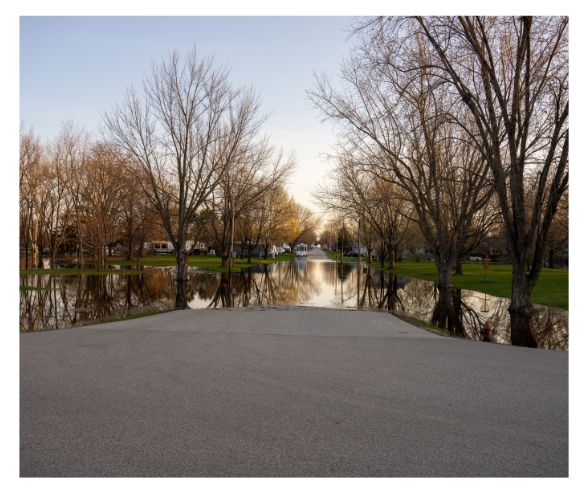
Drainage matters in Charleston because the land is flat, the water table is high, and heavy rain has few places to go. A house can sit outside a FEMA flood zone and still collect water around the foundation, in the yard, or in a crawl space. Leah Beaulieu and BJ Rodgers of Coast2Coast Properties tell buyers to check drainage in person, ideally after rain, before they commit.
The short answer
- Why it matters: Low elevation, a high water table, and tidal influence slow water leaving a property.
- Drainage is not flood zone: Flood zones are FEMA risk maps for major events. Drainage is how everyday rain moves across a lot.
- What to look for: Standing water, soggy or bare soil, a yard that slopes toward the house, damp crawl spaces, and stained or rotted trim near the ground.
- Who to ask: The seller, neighbors, and the city or county stormwater office about known problems.
- Best timing: Visit after a heavy rain, not on a dry day.
- Cost of ignoring it: Moisture damage, mold, termite pressure, and repairs that can run into thousands.
Why is drainage a bigger issue in Charleston?
The Lowcountry is low and flat. Large parts of Charleston, James Island (29412), West Ashley (29407, 29414), and Johns Island (29455) sit only a few feet above sea level. Rain, high tides, and a high water table all compete for the same space, so water drains slowly, if at all. A heavy summer storm can leave water standing in a yard for a day or more. Poorly graded lots and clogged ditches make it worse.
How is drainage different from flood zone risk?
Flood zones describe the chance of flooding from major events, mapped by FEMA and used to set flood insurance requirements. Drainage is about ordinary rainwater: where it goes and how fast. A home in a low-risk zone can still have a wet yard or damp crawl space, and a home in a flood zone may drain well. Check both. See and .
What should you look for on a walkthrough?
Walk the whole lot, not just the house. Look for:
- Standing water or soggy spots in the yard, especially a day or more after rain
- Grading: The ground should slope away from the foundation
- Gutters and downspouts: Do they discharge several feet from the house, or dump at the foundation?
- Water stains and wood damage: Check lower siding, trim, and door frames
- Crawl space: Look for standing water, a dirt floor with no vapor barrier, mold, or damp insulation
- Garage and slab edges: Check for staining or efflorescence (white mineral residue)
- Driveway and street: Does water pool at the end of the driveway?
- Vegetation: Moss, bare patches, and cattails often signal chronic wetness
Bring a phone and take photos. If you can visit during or just after rain, do.
What questions should you ask the seller?
Ask direct questions and ask for answers in writing where possible:
- Has water ever entered the house, garage, or crawl space?
- Where does water collect on the lot after heavy rain?
- Have you installed drains, French drains, or sump pumps, and who did the work?
- Have you filed any flood or water damage insurance claims?
- Are there ditches or drainage easements on or near the property, and who maintains them?
- Have you had repairs to gutters, grading, or the crawl space?
South Carolina sellers generally complete a property condition disclosure, but it reflects what the seller knows. Talk to neighbors too. They often know exactly where the street floods. See .
What can a home inspector do about drainage?
A general home inspector will note visible grading problems, gutter issues, moisture stains, and crawl space conditions. If you see signs of water trouble, hire a specialist such as a drainage contractor, crawl space company, or engineer for an estimate. Pair the general inspection with a wood infestation report (the CL-100), since moisture and termites go together. See .
What do drainage fixes cost?
Costs vary widely by lot and contractor, so get quotes. Simple fixes include regrading, extending downspouts, and cleaning gutters. Larger fixes include French drains, a sump pump, crawl space encapsulation, or re-sloping the yard. Treat these as negotiation points: ask for a repair, a credit, or a price reduction if the inspection finds a problem. Redfin showed median sale prices of about $557,000 in 29407 and about $610,000 in 29412 over the three months ending mid-2026, so even moderate drainage repair is worth weighing against the price.
The biggest mistake buyers make with drainage
The most common mistake is touring on a dry, sunny day and assuming the yard is fine. Drainage problems often show only after rain. The second mistake is treating a favorable flood zone as proof of good drainage. They are different questions.
Visit twice if you can, once in dry weather and once after rain, and ask neighbors what happens in a big storm.
A realistic example
Priya and Alex fall in love with a 1990s home in West Ashley (29414). The listing says low-risk flood zone. On the first showing, the yard looks fine. Their agent suggests a second look the morning after a thunderstorm. Water is standing along the back fence and the crawl space vent shows dampness. The inspector finds a downspout discharging at the foundation and no vapor barrier. A contractor quotes regrading, extended downspouts, and a vapor barrier. Priya and Alex negotiate a repair credit, complete the work, and move in with a plan.
Frequently asked questions
Why do Charleston yards stay wet after rain?
The land is flat, the water table is high, and soil is often slow to drain. Tides and heavy storms add to it.
Is drainage the same as flood zone?
No. A flood zone is a FEMA risk designation for major flooding. Drainage is how everyday rainwater moves across a property.
How can I tell if a Charleston house has drainage problems?
Look for standing water, soggy soil, a yard that slopes toward the house, damp crawl spaces, and stained or rotted wood near the ground. Visit after rain.
Does poor drainage affect home value?
It can. Persistent water problems may lower a buyer's offer, raise insurance or repair costs, and affect resale. Documented fixes help.
Can a home inspector find drainage problems?
Often yes for visible signs, but you may need a specialist for a full diagnosis and estimate.
What does a French drain cost in Charleston?
Costs vary by length, depth, and access. Get written quotes from licensed local contractors.
Does poor drainage attract termites?
Moisture around a foundation or in a crawl space raises termite risk. That is one reason to pair drainage checks with a termite inspection.
Final answer
Drainage deserves the same attention as the roof and foundation in the Charleston area. Walk the lot, ask about water history, visit after rain, and get an inspection and estimate if anything looks off. Most drainage problems are fixable, but you want to know the cost before you close.
Leah Beaulieu and BJ Rodgers at Coast2Coast Properties help buyers look past the listing photos and ask the questions that matter in the Lowcountry. Verify local stormwater rules and responsibilities with the City or County before relying on any assumption.
About Leah Beaulieu & BJ Rodgers — Coast2Coast Properties
Leah Beaulieu and BJ Rodgers are Charleston, South Carolina real estate professionals with Coast2Coast Properties, helping buyers compare neighborhoods, understand local market differences, and find the right fit across the Charleston area. Whether you are buying your first home, relocating to the Lowcountry, or looking for investment opportunities, Leah and BJ bring local knowledge, straight talk, and a genuine commitment to helping clients make smart decisions.
Coast2Coast Properties
www.coast2coastprop.com
843-697-1409 / 803-201-4259