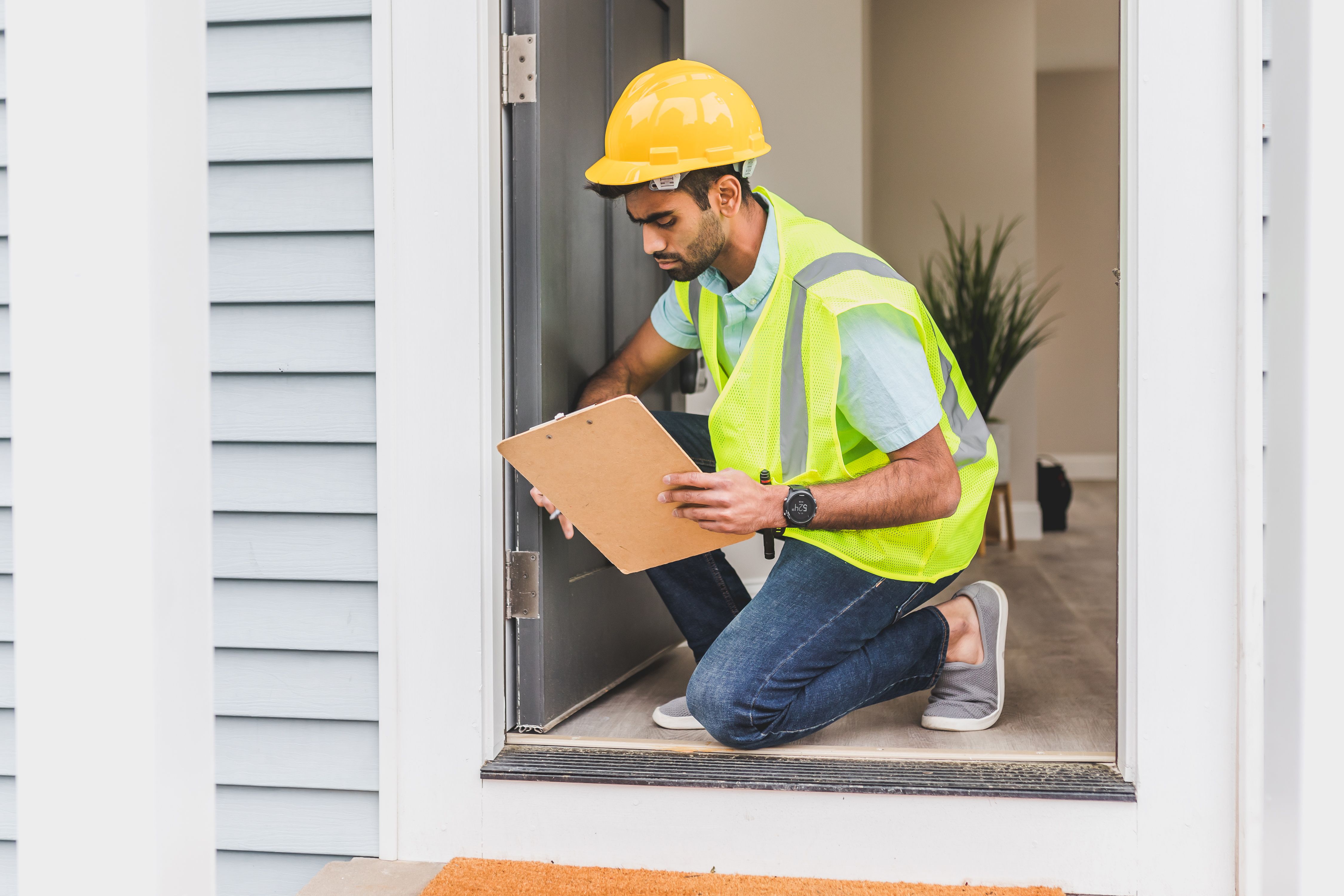
Why Charleston Homes Have Termite Bonds
Why Charleston Homes Have Termite Bonds
Most Charleston-area homes come with a termite bond because the Lowcountry's warm, humid climate gives termites year-round pressure, and buyers, lenders, and sellers all want proof the house is protected. A bond is an annual contract with a licensed pest company that covers inspections and treatment, and on some plans, repair of new termite damage. Leah Beaulieu and BJ Rodgers of Coast2Coast Properties walk buyers through bond paperwork on nearly every Charleston-area purchase.
The short answer
- Why they exist: Warm temperatures and high humidity keep subterranean termites active most of the year, including aggressive Formosan termites on the coast.
- What a bond is: An annual contract with a pest control company covering inspections and retreatment if termites return.
- What it covers: Basic bonds cover retreatment only. Premium "damage" bonds also cover repair of new termite damage up to a stated cap.
- What it costs: Roughly $150 to $500 per year nationally, depending on plan and home size. Local companies may charge more for coverage with repair protection.
- Does it transfer: Most bonds transfer to a new owner, sometimes for a fee of about $25 to $100. Confirm with the company before closing.
- What to do: Ask the seller for the bond documents, then confirm transfer terms and renewal cost in writing.
Why does Charleston have so much termite pressure?
Termites need moisture, warmth, and wood. The Lowcountry supplies all three: mild winters, long humid summers, a high water table, and a lot of wood-framed housing. Subterranean termites live in the soil and travel through mud tubes to reach framing. Formosan termites, an invasive species found in coastal South Carolina, form much larger colonies and can damage a structure faster than native species. One local pest company notes a mature Formosan colony can eat about 13 ounces of wood a day.
Because the risk is constant, termite protection in Charleston is treated as routine home maintenance, not an emergency purchase. That is why sellers commonly keep a bond active and why buyers ask about it early.
What is a termite bond, exactly?
A termite bond is a service agreement. The pest company treats the home (with a liquid barrier or bait stations around the perimeter), inspects it every year, and agrees to respond if termites show up. It is not insurance, and it is not a home inspection. Think of it as a maintenance plan with a guarantee attached.
There are two common tiers:
- Retreatment bond: The company re-treats the home at no extra charge if termites return during the contract. It does not pay for repairs.
- Damage and retreatment bond: Adds repair coverage for new termite damage, typically up to a stated limit. One Charleston-area company, for example, advertises coverage for structural components and interior finishes up to the bond limit after the bond activates.
Read the exclusions. Pre-existing damage is almost never covered.
How much does a termite bond cost in Charleston?
National pricing guides put basic bonds at about $150 to $300 a year and premium bonds at about $300 to $500. Initial treatment is separate and varies with house size and method. One Charleston-area company lists an installation averaging around $599 with an annual renewal of $360. Use those as ballparks and get a current quote, since pricing changes with home size, foundation type, and treatment method.
If the seller has an active bond, the buyer usually skips the initial treatment cost and pays only the renewal. That is a real savings, worth asking about during negotiation.
Does a termite bond transfer to the buyer?
Usually yes, but not automatically. Most companies allow transfer to a new owner, and some charge a fee of about $25 to $100. The company may require a fresh inspection first. Treat transfer as something to verify, not assume.
Ask the seller for the company name, coverage tier, renewal date, renewal price, and a copy of the contract. Then call the company and confirm in writing that the bond will transfer at closing and what it will cost. If the home has no bond, a new bond typically starts with a treatment and inspection.
How is a termite bond different from a CL-100?
They are separate documents. The CL-100 is South Carolina's wood infestation report, a snapshot of the home's condition on one day, ordered near closing. A bond is an ongoing agreement. A home can have a clean CL-100 and no bond, or a bond and a CL-100 that shows old damage. See for how the report works.
What do termite bonds mean for different Charleston-area buyers?
Older homes near the water, such as those on the peninsula (29401, 29403) and in West Ashley (29407, 29414), often have long termite histories and deserve a careful look at past treatments. Newer subdivisions in Summerville (29483, 29485, 29486) and Goose Creek (29445) may have builder pre-treatment, which wears off, so ongoing protection still matters. Homes on crawl spaces need attention to moisture, which feeds termites. See .
For current pricing context, Redfin showed a median sale price of about $557,000 in 29407 (West Ashley) and about $610,000 in 29412 (James Island) over the three months ending mid-2026. A $300 to $400 annual bond is a small line item next to the price of the home, but termite repair is not.
The biggest mistake buyers make with termite bonds
The most common mistake is assuming a bond means the house has no termite damage. A bond only covers what happens under the contract, and many exclude pre-existing damage. Some buyers also never read the transfer terms and learn at renewal that coverage lapsed or the price jumped.
Treat the bond as one piece of due diligence. Pair it with the wood infestation report and a general inspection, and ask what damage was found and repaired in the past.
A realistic example
Maria and Tom are buying a 1988 home in West Ashley (29407). The seller has a termite bond with a local company, renewing at $360 a year. Their agent asks for the contract and learns it is a retreatment-only bond, with no repair coverage. The buyers call the company, confirm the bond transfers for a $50 fee, and ask for the inspection history. The records show a past treatment on the back porch. The CL-100 comes back clear. Maria and Tom keep the bond, and upgrade to a damage-and-retreatment plan at the first renewal. They budget roughly $400 a year and close knowing exactly what is covered.
Frequently asked questions
Are termite bonds required in South Carolina?
No law requires a bond. But South Carolina closings commonly require a wood infestation report (the CL-100), and many sellers and buyers use a bond as added protection. Lenders care about the report more than the bond.
How much does a termite bond cost per year in Charleston?
Expect roughly $150 to $500 a year, depending on coverage and home size. Local renewals around $360 a year are common for damage-and-retreatment coverage. Get a written quote.
Does a termite bond cover termite damage?
Only some do. Basic bonds cover retreatment. Premium bonds add repair coverage for new damage up to a stated cap. Pre-existing damage is usually excluded.
Can I transfer a termite bond when I buy a house?
Usually. Many companies charge about $25 to $100 and may require an inspection. Confirm with the company before closing.
Do I need a termite bond if the house passes the CL-100?
It is not required, but it is a good idea in Charleston. The CL-100 is a one-day snapshot. A bond keeps annual inspections and treatment going.
What happens if termites are found after I buy?
If the bond is active and transferred, the company retreats. With damage coverage, it may pay for repairs up to the bond limit. Without a bond, you pay for treatment and repair.
Are Formosan termites a concern in Charleston?
Yes. Formosan termites are present in coastal South Carolina and can damage a home faster than native species. Ask whether the bond covers them.
Final answer
Charleston homes have termite bonds because the climate makes termite protection an ongoing need, not a one-time fix. For most buyers, an active, transferable bond is a plus. The key is to read the coverage tier, confirm the transfer, and check the renewal price.
Leah Beaulieu and BJ Rodgers at Coast2Coast Properties help buyers sort through termite bonds, wood infestation reports, and the other Lowcountry details that do not show up in a listing. Pricing and terms vary by company, so verify current numbers before relying on them.
About Leah Beaulieu & BJ Rodgers — Coast2Coast Properties
Leah Beaulieu and BJ Rodgers are Charleston, South Carolina real estate professionals with Coast2Coast Properties, helping buyers compare neighborhoods, understand local market differences, and find the right fit across the Charleston area. Whether you are buying your first home, relocating to the Lowcountry, or looking for investment opportunities, Leah and BJ bring local knowledge, straight talk, and a genuine commitment to helping clients make smart decisions.
Coast2Coast Properties
www.coast2coastprop.com
843-697-1409 / 803-201-4259