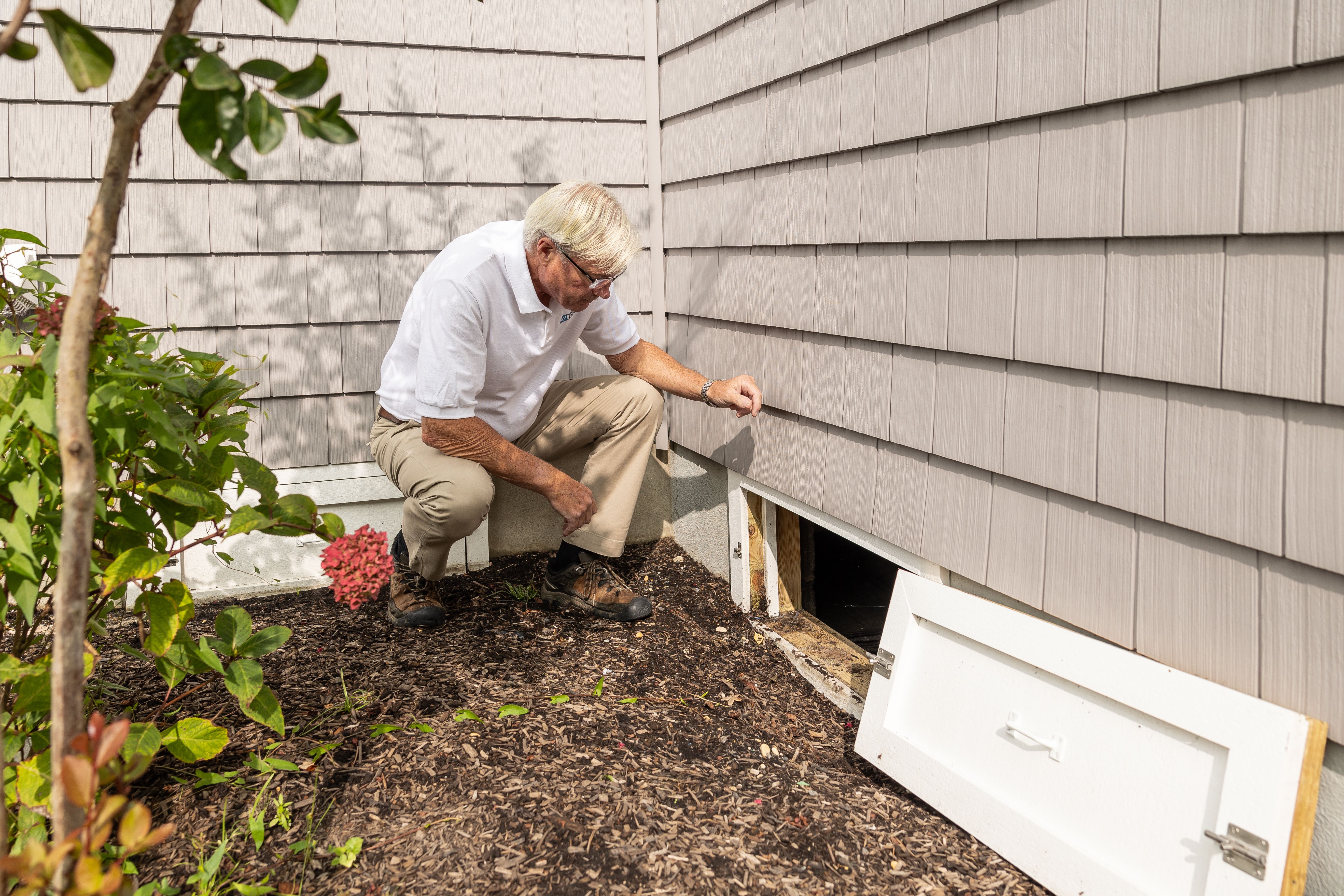
Why So Many Charleston Homes Have Crawl Spaces
Why So Many Charleston Homes Have Crawl Spaces
Charleston homes have crawl spaces because the Lowcountry is flat, wet and low, and raising a house off the ground keeps it dry, ventilated and easier to repair. A crawl space is normal here, not a red flag. Leah Beaulieu and BJ Rodgers of Coast2Coast Properties explain it to relocating buyers constantly, especially those from the Northeast and Midwest who expect a basement or a concrete slab.
The short answer
- Water table: The Lowcountry water table is high, so basements are rare and slabs sit close to groundwater.
- Flood zones: Elevated homes meet flood rules. Since January 1, 2024, the City of Charleston requires elevated foundations, such as crawl spaces or piers, for new single-family homes in the 100-year floodplain.
- Moisture: A properly sealed crawl space protects floors and framing from humidity better than a poorly built slab.
- Access: Plumbing, ductwork and wiring are easy to reach under the house.
- Not a defect: Crawl spaces are standard construction in much of the area, but they need a vapor barrier, drainage and periodic inspection.
- What to check: Standing water, mold, sagging insulation, wood rot, termites and whether the space is vented or encapsulated.
Why does the Lowcountry use crawl spaces instead of basements?
Basements need dry, well-drained soil. Charleston sits at or near sea level, with marsh, tidal creeks and a high water table. Dig down a few feet and you hit water, so a basement would flood or need constant pumping. A crawl space raises the living area one to three feet or more above grade, which keeps the structure out of ground moisture without digging.
Older Charleston homes were also built on piers and raised foundations for ventilation before air conditioning, letting air move under the floors in hot, humid summers. The tradition stayed because it works.
How do crawl spaces relate to flood zones?
Elevation is the main flood defense. Homes in FEMA flood zones must have their lowest floor at or above a required height, and a crawl space or pier foundation gets the living area there without massive fill dirt. In April 2023, Charleston City Council voted unanimously to prohibit slab-on-grade foundations for new homes in the 100-year floodplain, effective January 1, 2024, partly because fill dirt for slabs disrupts drainage and pushes water toward neighbors.
For buyers, this means an elevated home often costs less to insure against flood. Ask for the elevation certificate. It shows the lowest floor and crawl space elevation relative to the base flood height. See .
How does a crawl space handle humidity?
Charleston's summers are humid, and a damp crawl space can feed mold, wood rot and musty smells. Good ones have a ground vapor barrier (heavy plastic sheeting), working drainage and either proper vents or full encapsulation, where the space is sealed, conditioned and often fitted with a dehumidifier. Encapsulation is increasingly common and generally lowers moisture and pest pressure, though it adds cost.
A neglected crawl space with torn plastic, wet soil and damaged insulation is a problem you can fix, but you should price the repair before you offer. A pest and moisture inspection is standard in South Carolina through the wood infestation report, known as a CL-100. See .
What do crawl spaces cost and mean for maintenance?
Maintenance is modest if the space is kept dry. Expect a periodic look every year or two, an annual termite inspection or bond, and replacement of a vapor barrier or insulation when it fails. Encapsulation or major repairs can run from a few thousand dollars to well beyond $10,000 depending on size and condition, so get a contractor quote for any issues the inspector flags.
On the plus side, a crawl space makes plumbing, HVAC and electrical repairs far cheaper than in a slab home, where pipes sit inside the concrete.
Do buyers or appraisers penalize crawl space homes?
Generally no. In most Lowcountry neighborhoods, crawl spaces are the expected construction, so buyers and appraisers treat them as normal. The things that hurt value are damage and moisture, not the foundation type. Slab homes still exist, especially inland or on higher ground, and they are common in some newer subdivisions in places like Summerville and Goose Creek.
The biggest mistake buyers make with crawl spaces
They either panic and walk away from a perfectly good home, or they skip the crawl space inspection entirely. Both cost money. The right move is to have the inspector go under the house, look at moisture, insulation, supports and pests, and ask for photos in the report. Buyers who never look under the house learn about problems after closing, when the repair is theirs.
A realistic example
Tom and Alicia, relocating from Ohio, are surprised that every house they tour in West Ashley (29407) and on James Island (29412) has a crawl space. One 1962 ranch they love shows a damp vapor barrier and some wet insulation in the inspection. Leah and BJ help them request a contractor quote: about $6,500 to repair drainage and encapsulate. They negotiate a credit on the price, close, and have the space sealed within a month. A year later, the house has no musty smell and no moisture issues.
Frequently asked questions
Is a crawl space bad?
No. It is standard in the Charleston area. A dry, sealed, well-maintained crawl space is a good foundation for a Lowcountry house.
Why don't Charleston homes have basements?
The water table is high and the land is low, so basements would flood. Elevated foundations are the practical solution.
Does a crawl space reduce flood risk?
It helps by raising the living area off the ground, but it does not eliminate risk. Check the flood zone, elevation certificate and flood insurance quote for each home.
What should an inspector look for in a crawl space?
Standing water, damp soil, mold, torn vapor barrier, sagging insulation, wood rot, termite damage, plumbing leaks and the condition of the piers and supports.
Should I buy a home with an encapsulated crawl space?
Usually yes, if the work was done professionally. Ask for documentation, warranty and maintenance records, and confirm the dehumidifier or drainage system works.
Can I get flood insurance on a home with a crawl space?
Yes. Premiums depend on the flood zone and elevation. Get a quote before you make an offer.
Are there homes without crawl spaces in Charleston?
Yes. Some homes, especially older or inland ones, sit on slabs. See .
Final answer
Charleston homes have crawl spaces because the land is low and wet and raising a house keeps it dry, ventilated and serviceable. The foundation type is not the issue; the condition of the space is. Inspect it, price any repairs, and verify elevation and flood coverage before you buy.
Leah Beaulieu and BJ Rodgers at Coast2Coast Properties walk buyers through inspection reports, elevation certificates and repair quotes so a crawl space becomes a known line item, not a surprise.
Data note: The City of Charleston slab-on-grade restriction for the 100-year floodplain (adopted April 2023, effective January 1, 2024) is cited from published summaries. Repair cost ranges are general estimates; obtain local contractor quotes. Verify before publishing.
About Leah Beaulieu & BJ Rodgers — Coast2Coast Properties
Leah Beaulieu and BJ Rodgers are Charleston, South Carolina real estate professionals with Coast2Coast Properties, helping buyers compare neighborhoods, understand local market differences, and find the right fit across the Charleston area. Whether you are buying your first home, relocating to the Lowcountry, or looking for investment opportunities, Leah and BJ bring local knowledge, straight talk, and a genuine commitment to helping clients make smart decisions.
Coast2Coast Properties
www.coast2coastprop.com
843-697-1409 / 803-201-4259