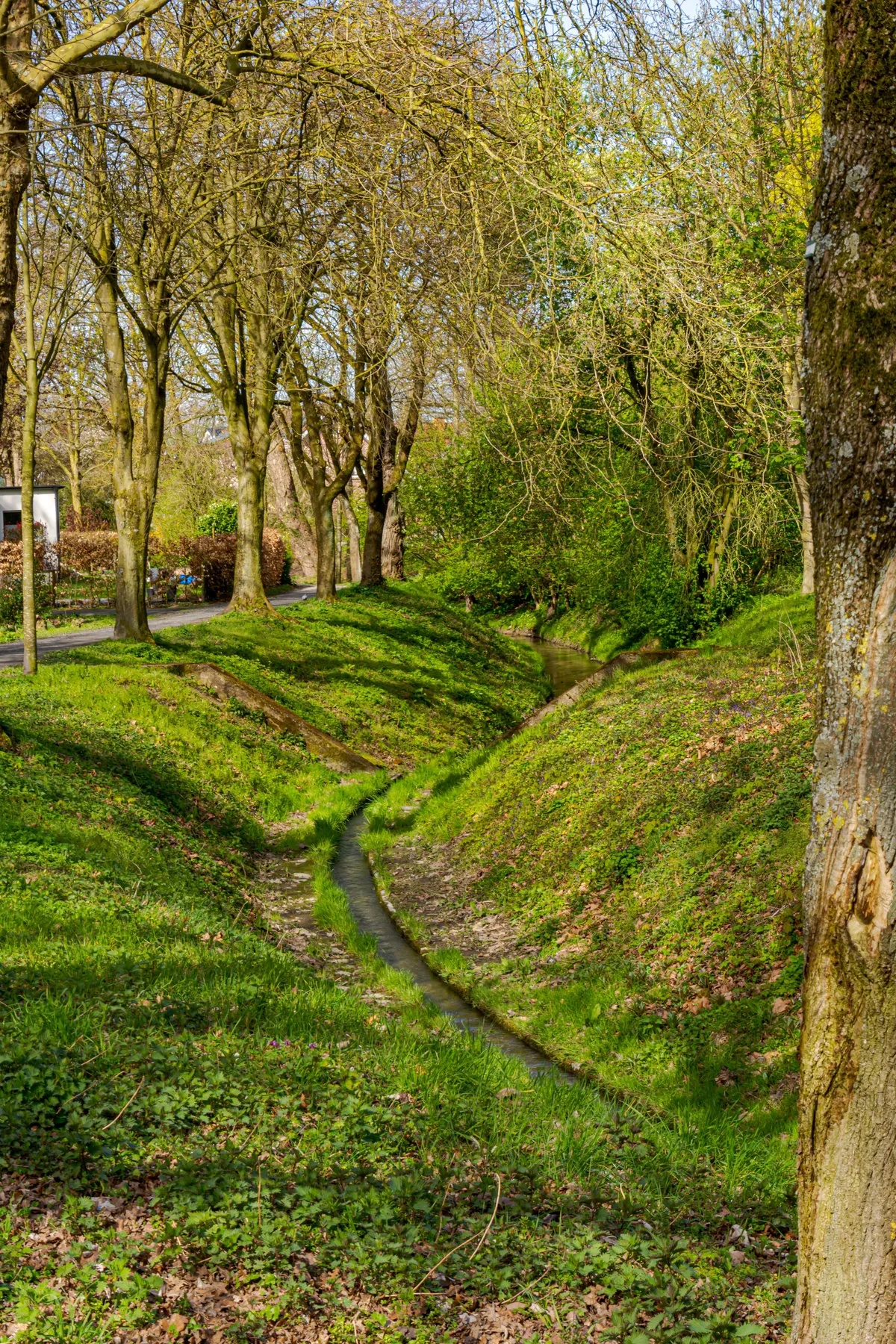
Why Some Charleston Neighborhoods Have Ditches Instead of Storm Drains
Why Some Charleston Neighborhoods Have Ditches Instead of Storm Drains
You drive through a neighborhood you love, and the street has open ditches where you expected curbs and storm drains. Is that a red flag? Usually it is not. Leah Beaulieu and BJ Rodgers of Coast2Coast Properties explain why so many Charleston area streets drain this way, and what it means for your home purchase or sale.
The short answer
- Ditches are an older, simpler way to move rainwater off the road, common in neighborhoods that were once rural or built before modern curb-and-gutter standards.
- A ditch is not a sign of neglect. A well-kept ditch can drain a lot of water.
- The agency that maintains a roadside ditch depends on who owns the road: the City, the county, or the S.C. Department of Transportation (SCDOT).
- Your driveway culvert, and the ditch frontage right at your property, may still be your job to keep clear.
- Ditches matter for flood risk, but flood zone status and your home's elevation matter more.
- Always ask who maintains the road, then check the ditch in the rain before you make an offer.
Why do some Charleston neighborhoods have ditches instead of storm drains?
The Lowcountry is flat, low, and wet. Many neighborhoods in West Ashley (29407, 29414), James Island (29412), Johns Island (29455), Summerville (29483, 29485) and parts of Goose Creek (29445) started as farmland or were built before piped storm systems became standard. Open ditches were the cheapest and fastest way to carry water toward a creek, marsh or retention pond.
Storm drains need curbs, underground pipe, inlets, and outfalls. Retrofitting an older street with all of that costs far more than most neighborhoods or governments can fund at once. So the ditches stayed.
Who maintains a roadside ditch?
It depends on the road, not the neighborhood. According to Post and Courier reporting on ditch maintenance, the City of Charleston maintains ditches on city roads, SCDOT maintains them on state roads, and the county maintains them on county roads. Jurisdiction can get confusing, and the simplest path is to contact the City or county and let them route your request.
Here is what that means in practice:
- Find the road owner. Before you buy, ask your agent which entity owns the street in front of the home.
- Report clogs early. Charleston, Berkeley and Dorchester counties each take work requests online or by phone.
- Expect delays after storms. Non-emergency requests often clear within about a week, while post-storm requests can take far longer.
What do you personally have to maintain?
Even when a public agency owns the ditch, your property usually comes with a few chores. A culvert under your driveway often belongs to you. Overgrown grass, fallen limbs and dumped yard waste in the ditch in front of your lot can slow water down and back it up toward your yard.
Do not rake leaves into the ditch. Keep trash cans out of it on pickup days. Check your culvert after big storms. These small habits protect your yard and your neighbors.
How do ditches affect flooding risk?
A clear, properly sloped ditch helps water leave your street faster. A clogged or filled-in ditch does the opposite. During a heavy rain or a king tide, a ditch full of debris can push water onto lawns and driveways.
Here is the part buyers miss. Ditches are only one piece of drainage. Your flood zone, your lot's elevation and your home's foundation height decide how much risk you carry. A home in Zone X on a slightly raised lot with a clean ditch is a very different story than a low lot in a Zone AE area. Ask for the elevation certificate, a flood insurance quote, and the seller's history of any water in the yard or house.
Why do buyers mistake ditches for neglect?
Open ditches look rough compared to curbs and gutters. Tall grass, standing water after rain and mud on the banks can look like a problem even when everything works as designed. Water standing for a day or two after a heavy storm is normal in a flat coastal area. Water that sits for a week, smells bad or never drains deserves a closer look.
The better test is a visit. If you can, drive the neighborhood during or just after a rainstorm. You will learn more in twenty minutes of rain than from any listing photo.
The biggest mistake buyers and sellers make with ditches
Buyers treat a ditch as a deal-breaker without checking the facts. Sellers do the opposite and ignore a clogged ditch or crushed culvert until an inspector flags it.
Both mistakes are easy to avoid. Buyers should ask who maintains the ditch, review the flood zone and ask about past water. Sellers should clear the ditch, repair the culvert and put maintenance records in the disclosure packet. A clean ditch signals a cared-for property, and it removes a negotiating point before it ever comes up.
A realistic example
Consider a buyer touring a ranch home near Wappoo Road in West Ashley. The street has open ditches on both sides, and the buyer worries about drainage. Their agent checks the road ownership, finds it is maintained by the City, and asks the seller for any past work requests. The seller shows two requests from years ago, both closed. The inspector finds a partly crushed driveway culvert, a repair that costs a few hundred dollars. The buyer negotiates a small credit, confirms the flood zone, and buys with confidence. The ditch turned out to be a non-issue because they asked the right questions.
FAQ
Are drainage ditches common in Charleston, SC?
Yes. Many older and semi-rural neighborhoods across West Ashley, James Island, Johns Island, Summerville and Goose Creek use open roadside ditches instead of curbs and underground storm drains.
Who maintains the ditch in front of my house?
It depends on who owns the road. The City of Charleston, Charleston County or SCDOT maintains ditches along the roads they own. If you are unsure, contact the City or county and they will direct you to the right agency.
Is a ditch my responsibility as a homeowner?
Usually the public road ditch belongs to the agency that owns the road. You are typically responsible for your driveway culvert and for keeping the area in front of your lot free of debris. Confirm details with your agent and the local jurisdiction.
Do ditches mean my home will flood?
No. Ditches do not decide flood risk by themselves. Your flood zone, elevation and foundation height matter more. Ask for an elevation certificate and a flood insurance quote before you buy.
How can I tell if a ditch is working properly?
Look at it after rain. Water should drain within a day or two, the banks should look stable and the culvert should be open. Long-standing water, erosion or a crushed culvert signals a maintenance problem.
Should I report a clogged ditch?
Yes. Report clogs to the City or county as soon as you spot them. Requests generate a tracking number, and earlier reports tend to get faster results, especially before storm season.
Does a ditch lower my home's value?
Not by itself. Buyers in ditch neighborhoods pay for the home, the lot and the location. A well-kept ditch rarely affects price, while a neglected one can raise concerns during inspection.
What should sellers do about ditches before listing?
Clear debris, mow the banks, repair the culvert and keep records of any maintenance requests. Clean drainage tells buyers the property has been cared for.
Final answer
Charleston neighborhoods have ditches instead of storm drains because they were built when open drainage was the practical choice in flat, wet terrain. A ditch is not a warning sign. It is a drainage system that needs the same care as any other part of your property.
If you are buying, ask who maintains the road, check the flood zone, and visit in the rain. If you are selling, keep the ditch and culvert clean and be ready to explain how the street drains. Leah Beaulieu and BJ Rodgers at Coast2Coast Properties help buyers and sellers across the Charleston area read these details before they become surprises.
Market note for Leah and BJ: verify current Redfin figures for the specific ZIP code before publishing. Redfin reported a Charleston median sale price of about $453,125 for January through March 2026, up 3.6% year over year.
About Leah Beaulieu & BJ Rodgers — Coast2Coast Properties
Leah Beaulieu and BJ Rodgers are Charleston, South Carolina real estate professionals with Coast2Coast Properties, helping buyers compare neighborhoods, understand local market differences, and find the right fit across the Charleston area. Whether you are buying your first home, relocating to the Lowcountry, or looking for investment opportunities, Leah and BJ bring local knowledge, straight talk, and a genuine commitment to helping clients make smart decisions.
Coast2Coast Properties
www.coast2coastprop.com
843-697-1409 / 803-201-4259